


The Future of Fleet Management: Benefits of Vehicle GPS Tracking Devices
2026-07-12 Click:4
Running a fleet of automobiles can be challenging especially in industries dependent on timely delivery and efficient logistics. Fortunately, technology has revolutionised fleet management; one such obvious improvement is the vehicle GPS tracking devices. Apart from letting businesses rapidly monitor their vehicles, these instruments boost safety, save costs, and increase output.
This article will discuss the numerous benefits of vehicle GPS tracking systems, their pragmatic applications, and how fleet management will be evolving going forward.

What Are Vehicle GPS Tracking Devices?
car Tools utilising GPS (Global Positioning System) technology to track and document vehicle real-time location and movement are GPS tracking gadgets. These devices are linked to a fleet management system, which via software or a mobile app offers data insights.
How GPS Technology Works?
To find a vehicle's precise location, GPS tracking devices depend on a system of satellites. To show fleet management location specifics, they mix this data with cellular networks and occasionally Wi-Fi. More details please check on article: How does GPS tracker works?
Types of Vehicle GPS Tracking Devices
GPS trackers vary in kind based on their intended use:
- Hardwired Trackers: Installed straight into the car, these hardwired trackers are dependable for long periods of time.
- Plug-and-Play Trackers: Easy to install and remove, plug-in and play trackers link via the OBD-II connection.
- Battery-Powered Trackers: Perfect for transient use, battery-powered trackers run on their own internal battery.
Why Are Vehicle GPS Tracking Devices Important for Fleet Management?
Within fleet management, responsibility and effectiveness are absolutely vital. With their many advantages that enhance general operations, vehicle GPS tracking devices present a dependable answer to meet these objectives. By means of real-time position tracking, which lets fleet managers maximise paths and lower delays, these gadgets assist simplify daily logistics. Accurate tracking helps companies to guarantee that their cars are being used effectively, so directly influencing profitability and production.
Still another essential component of fleet management is responsibility. By allowing management to track driver behaviour including speed, aggressive braking, or idling, GPS monitoring systems help to guarantee adherence to business policies and safety criteria. This also encourages good driving behaviour, therefore lowering the accident rate and maintenance expenses.
These gadgets also improve customer service by giving real-time updates and accurate delivery times, therefore fostering confidence with customers. GPS monitoring serves as a security tool for companies managing expensive items since it helps to avoid theft and facilitates vehicle recovery. Combining these instruments can help businesses save running expenses, maximise resource use, and raise general productivity.
Key Benefits of Vehicle GPS Tracking Devices

Vehicle GPS tracking devices offer the following main advantages:
1. Enhanced Fleet Visibility
Knowing where every car is always lets companies better prepare and prevent delays.
- Real-Time Location Tracking: Fleet managers can track the precise whereabouts of vehicles, therefore improving coordination and lowering idle time.
- Route Optimization: Analysis of GPS data helps companies to select the most effective paths, therefore saving time and petrol.
2. Improved Driver Safety
Safety is a top priority for fleet operators, and GPS tracking devices help enforce safe driving habits.
- Driver Behavior Monitoring: Many gadgets can identify fast acceleration, forceful braking, or speeding, which lets management correct dangerous behaviour.
- Emergency Assistance: SOS functions on many GPS trackers allow drivers to call for help in an emergency.
3. Reduced Operational Costs
Although fleet management comes with large fees, GPS tracking can help reduce numerous kinds of expenses.
- Fuel Efficiency: Businesses may greatly save fuel usage by cutting idling, streamlining paths, and pushing smart driving.
- Maintenance Alerts: Some systems track vehicle condition and offer alarms for necessary maintenance, therefore avoiding expensive repairs.
4. Theft Prevention and Recovery
GPS tracking helps in vehicle recovery and discouragement of theft.
- Geofencing: Managers can create virtual borders and get alarms should a vehicle leave its allocated region.
- Location Tracking: Should theft take place, authorities can rapidly retrieve the vehicle using GPS data.
5. Enhanced Productivity and Accountability
Effective fleet management depends on keeping responsibility and output all through.
- Time Management: GPS trackers give exact time spent on jobs, therefore facilitating improved scheduling and resource allocation.
- Driver Accountability: Location data allows fleet management to guarantee drivers follow routes and timetables.
Real-Life Applications of Vehicle GPS Tracking Devices
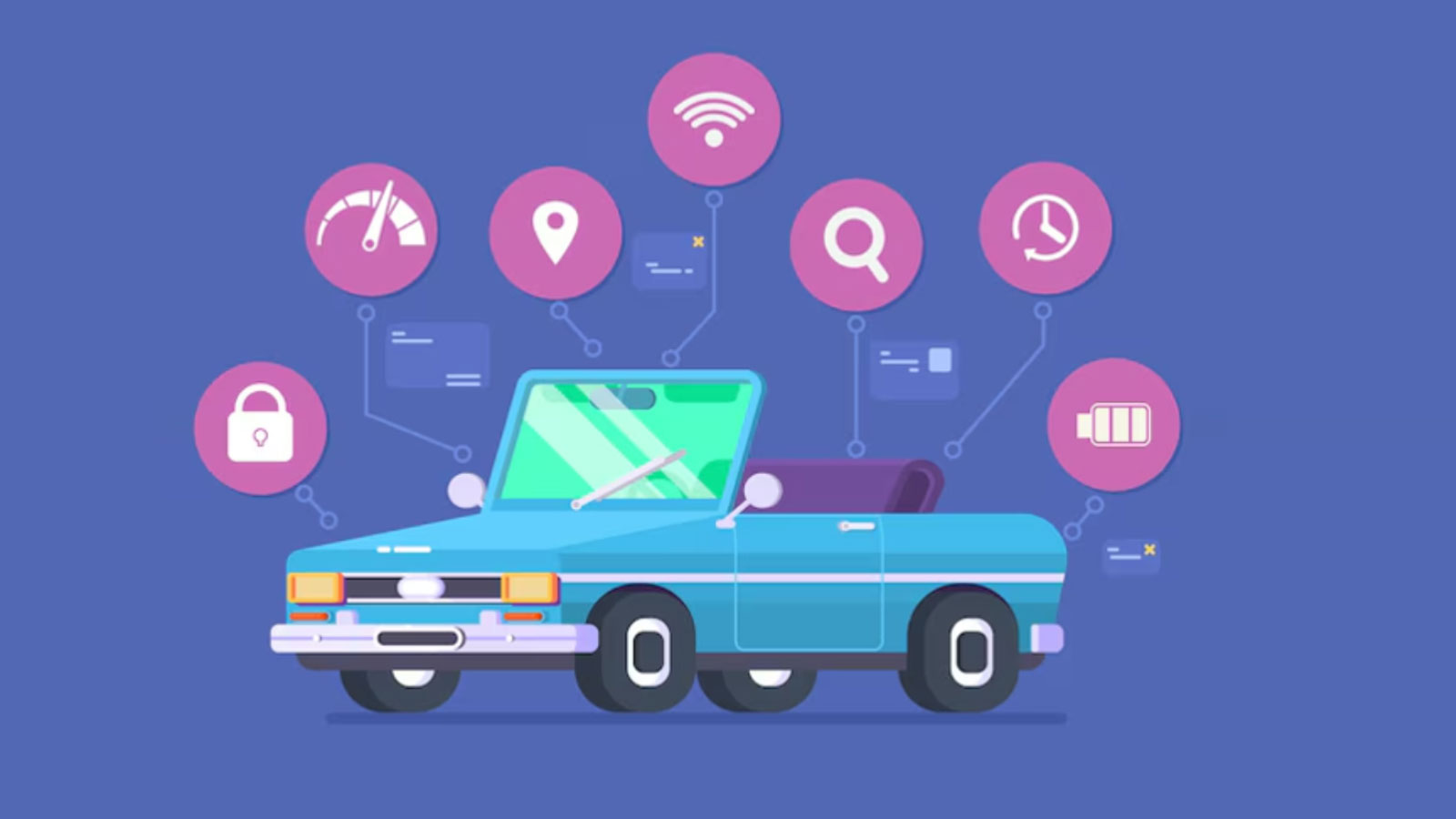
GPS tracking devices have useful use in many different sectors; they are not only theoretical instruments.
- Logistics and Transportation: In logistics, accurate delivery is absolutely vital. On-time delivery, accurate ETAs, and route optimisation guaranteed by GPS tracking
- GPS Trackers: Enable municipal vehicles including garbage trucks and snowploughs to guarantee clear service delivery and efficiency.
- Construction: Construction businesses monitor the whereabouts and use of heavy machinery to stop illegal use and lower downtime.
- Ride-Sharing and Delivery Services: Ride-sharing applications and food delivery companies among other companies rely on GPS to track driver positions and provide consumers real-time updates.
The Part GPS Tracking Plays in Ecological Fleet Management
In fleet management, sustainability is growing in importance; so, GPS tracking systems are fairly beneficial in achieving environmental goals.
- Reducing Fuel Consumption: Reduced idle and well-optimized routes help to minimise fuel consumption, hence reducing the carbon footprint of a fleet.
- Supporting Electric Vehicles: GPS trackers allow fleets switching to electric vehicles (EVs) to track range, charging stations, and battery levels.
- Data-Driven Decisions: GPS trackers' data enables companies to apply environmentally friendly strategies such cutting pointless travels.
The Future of Vehicle GPS Tracking Devices

GPS technology is always changing as the fleet management sector is also.
AI Integration: Artificial intelligence is being integrated with GPS trackers to analyze data and predict maintenance needs or traffic conditions.
IoT Connectivity: For a more complete solution, IoT connectivity lets GPS trackers link with other systems, including dashcams or fuel sensors.
Autonomous Fleet Management: GPS technology will be absolutely vital for navigation and coordination as self-driving cars become more common.
If you’re looking for reliable vehicle GPS tracking solutions, visit Huatenglobal to explore cutting-edge technology that meets all your fleet management needs.


