


GPS tracker connectivity: Does it need internet or SIM card?
2026-03-06 Click:1100
This is one of the most confusing things when people start looking into GPS trackers, here I (Shenzhen Huaten Global Technology) get asked these questions all the time:
- "If my truck goes way out into the boonies with no internet, am I going to lose it?"
- "Do all these things need a SIM card, like my phone?"
- "Wait, no internet and no SIM card... aren't they the same thing?"
They're great questions, and they sound similar, but they're actually totally different. Figuring out the difference is the secret to picking the right tracker for what you need.
So, let's break this down. Let's clear up what these two things actually are, how they work together (or don't), and what it all means for keeping an eye on your stuff.
I. Fundamental difference: Location vs. Communication
Before discussing connectivity issues, we need to understand that each GPS tracker performs two independent functions:
| Function | What they do? | Do it need Internet? | Do it need SIM card? |
| Location | Receive satellite signals and calculate position | ❌ No need | ❌ No need |
| Communication | Send location data to the server backend | ✅ Real-time tracking required | ✅ Cellular transmission required |
The core concept is this:
GPS trackers don't need the internet or a SIM card to know their location. GPS reception is passive and free; the device simply "listens" to satellite broadcasts. However, showing that location on your phone requires communication. And that's where the internet and SIM cards come in.
II. The function of a SIM card
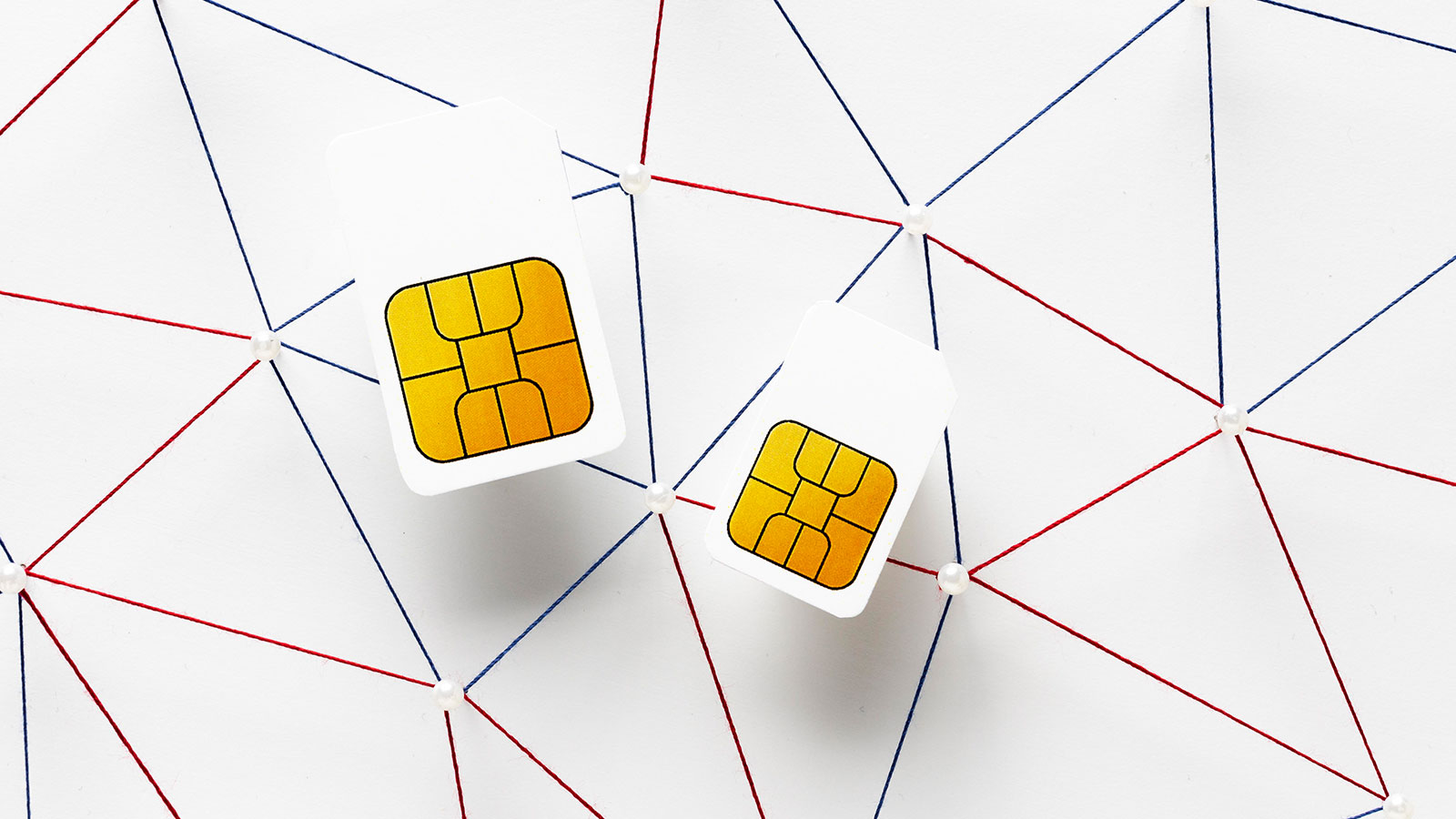
A SIM card is the "key" for a device to access a cellular mobile network.
With a SIM card:
- The device connects to the base station via 4G (or 2G/3G)
- Location data travels through the operator's network to the internet
- Finally, it is pushed to your mobile app or web platform.
Without a SIM card:
- The device cannot access the cellular network
- Data cannot be transmitted in real time
- However, it can still locate and store data inside built-in flash memory.
The Truth About "SIM-Free" Devices
Some gps devices manufacturer advertised as "SIM-free", actually have the SIM chip soldered directly onto the motherboard (eSIM or MFF2 patch card). With this method:
- Still relies on cellular networks
- Still requires a SIM card, just in a different form
- Offers better waterproofing and shock resistance, preventing accidental removal by the user

III. The Role of the Internet
The internet is the channel between data in the cloud and your mobile phone.
With internet access:
- The device uploads data to the cloud via cellular network.
- Your phone retrieves data from the cloud.
- Enables real-time remote monitoring.
Without internet access (but with cellular network):
- The device can still upload data via cell towers (cell towers have their own backhaul lines).
- The cloud receives the data.
- However, you need internet access to view the data in the cloud.
Location device has no internet connection vs. User has no internet connection
| Scenario | The device has a cellular network | The device has no cellular network. | Users have internet access | Users no internet access |
| Can it be tracked in real time? | ✅ Yes | ❌ No | ✅ Yes | ❌ No |
| Is data lost? | ✅ Cloud server | ⚠️ Device Cache | - | - |
IV. Comparison of Connection Modes for Different Devices
| Types | Have a SIM card? | Need the internet? | Working principle | Use Scenarios |
| Real-time Cellular Tracker (Huatenglobal mainly offer) | ✅ Yes | The device needs cellular connectivity, and the user needs internet access. | Real-time upload location, view anytime, no distance limit | Vehicle, asset, pets and personnel real-time monitoring |
| GPS Logger | ❌ No | ❌ No | Record only, requires computer connection to export | Record only, requires computer connection to export |
| Bluetooth Tracker (e.g., AirTag) | ❌ No | Requires nearby mobile network | Anonymous upload via nearby mobile phone | Close-range object location |
| Satellite Tracker | ⚠️ Special SIM Card | ❌ Not dependent on cellular networks | Transmission via satellite communication | Polar, marine, and uninhabited areas |
| Wi-Fi Tracker | ❌ No | Wi-Fi connection required | Upload after connecting to Wi-Fi | Indoor fixed scenes |
V. Typical Scenario Analysis
Scenario 1: The vehicle enters the mountainous area and there is no cellular signal.
- SIM card present but no signal: Device cannot upload data
- GPS still working: Device continuously locates and stores location
- After leaving the mountainous area: Automatically re-uploads historical tracks
Conclusion: No internet, but no data loss
Scenario 2: Inside the warehouse, GPS signal is weak but Wi-Fi is available.
- No GPS but Wi-Fi: Wi-Fi positioning is possible.
- Wi-Fi network available: Data can be uploaded via Wi-Fi.
Conclusion: Work is still possible even without cellular data but with Wi-Fi.
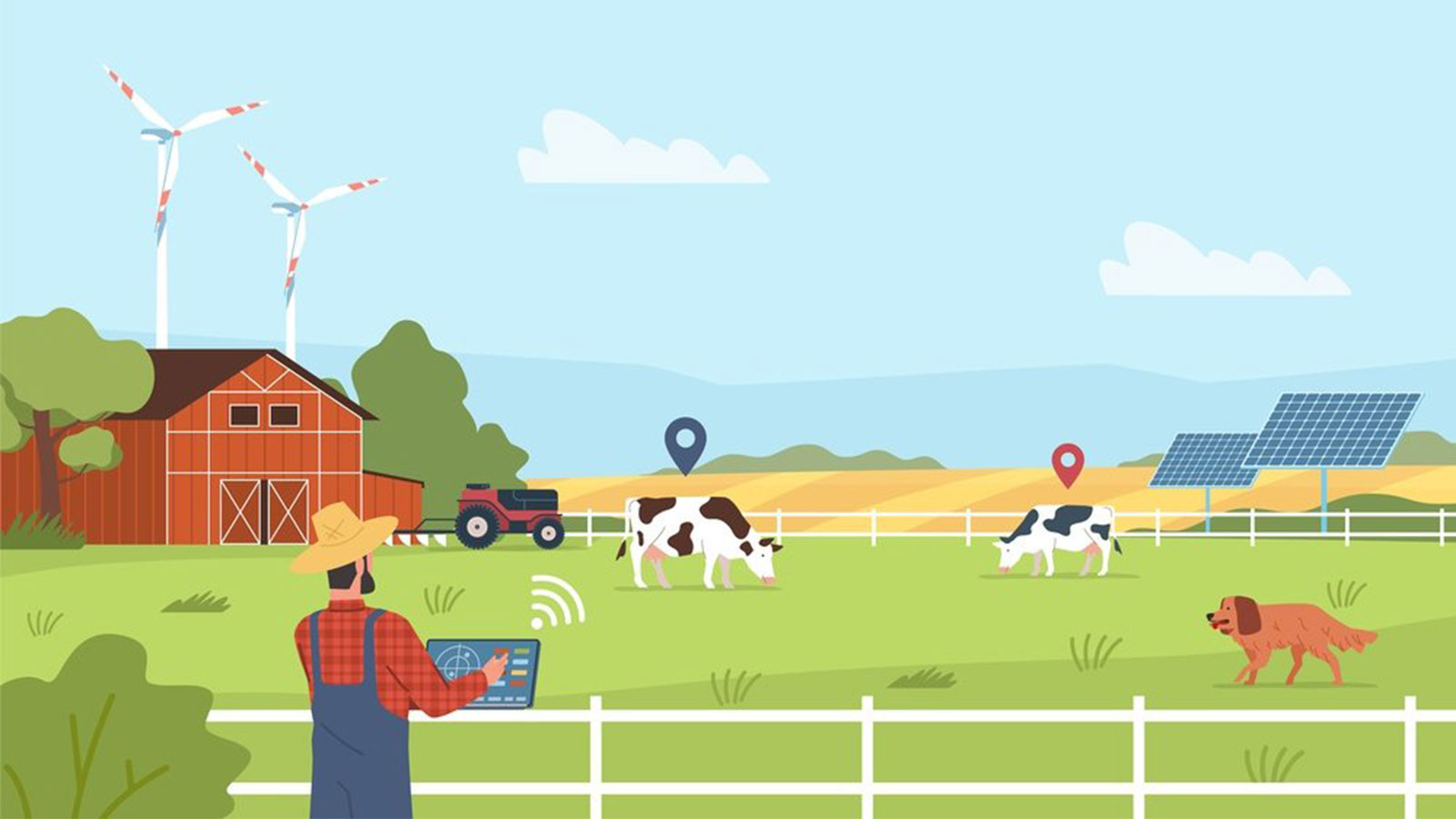
Scenario 3: Remote Farm, No Cellular or Wi-Fi
- Option 1: Use a satellite tracker (expensive, real-time)
- Option 2: Use a GPS logger (cheap, requires manual reading)
- Option 3: Use solar power + cellular network (uploads when signal is available)
Conclusion: Even without network access, there are still multiple options available.
VI. Clarification of Common Misconceptions
| Myths | Truth |
| "Can't locate without a SIM card." | Location does not rely on a SIM card, only on satellite signals. |
| "Can't track without internet access." | The device can still locate and store information; data will be retransmitted to server after network recovery. |
| "Having a SIM card guarantees network access." | In signal dead zones, a SIM card is useless. |
| "SIM-free devices really don't need a SIM card." | Usually, the SIM card is soldered in PCB, or other communication technologies are used. |
| "4G trackers can only be used in areas with 4G coverage." | ompatible with 3G/2G; automatically downgrades to a lower signal strength when the signal is weak. |
7. How to choose the right locator device for your application scenario or solution?
#1. Do you need real-time monitoring?
Yes → Device with communication capabilities is required
No → GPS recorder can be considered
#2. Is there a cellular network in the deployment area?
Yes → Choose a 4G cellular tracker
Partially yes → Choose a device with a large cache
No at all → Consider satellite or recorder
#3. How long of battery life is required?
Days to weeks → Rechargeable cellular devices
Months to years → Disposable batteries + low-frequency reporting
Permanent maintenance-free → Solar power + cellular or satellite
#4. Is positioning also needed indoors?
Yes → Select a device that supports Wi-Fi/Bluetooth assisted positioning
No → GPS only
Here just simple guide base on your scenario, details How to choose a Tracker? you can check the article: GPS Locator Classification and Selection Guide: How to Choose the Right Tracking Device for Your Application
VIII. Conclusion
Back to the initial question: Do GPS trackers need internet access? Do they need a SIM card?
The answer depends on what you're tracking, where you're tracking it, and how "real-time" you need to see the data.
Other more question please contact with us.


