


The Evolution of Wearable Devices: Trends and Innovations in the GPS Tracking Industry
2026-07-05 Click:6
Particularly with the advent of GPS tracking technology, the wearable tech market has seen notable developments recently. Originally restricted to simple fitness tracking, these Wearable Devices have developed to offer more complete solutions including real-time location tracking, emergency alarms, and health monitoring. Understanding how these developments have affected the GPS tracking business and what trends are guiding the future is crucial as more individuals include wearable gadgets into their life.
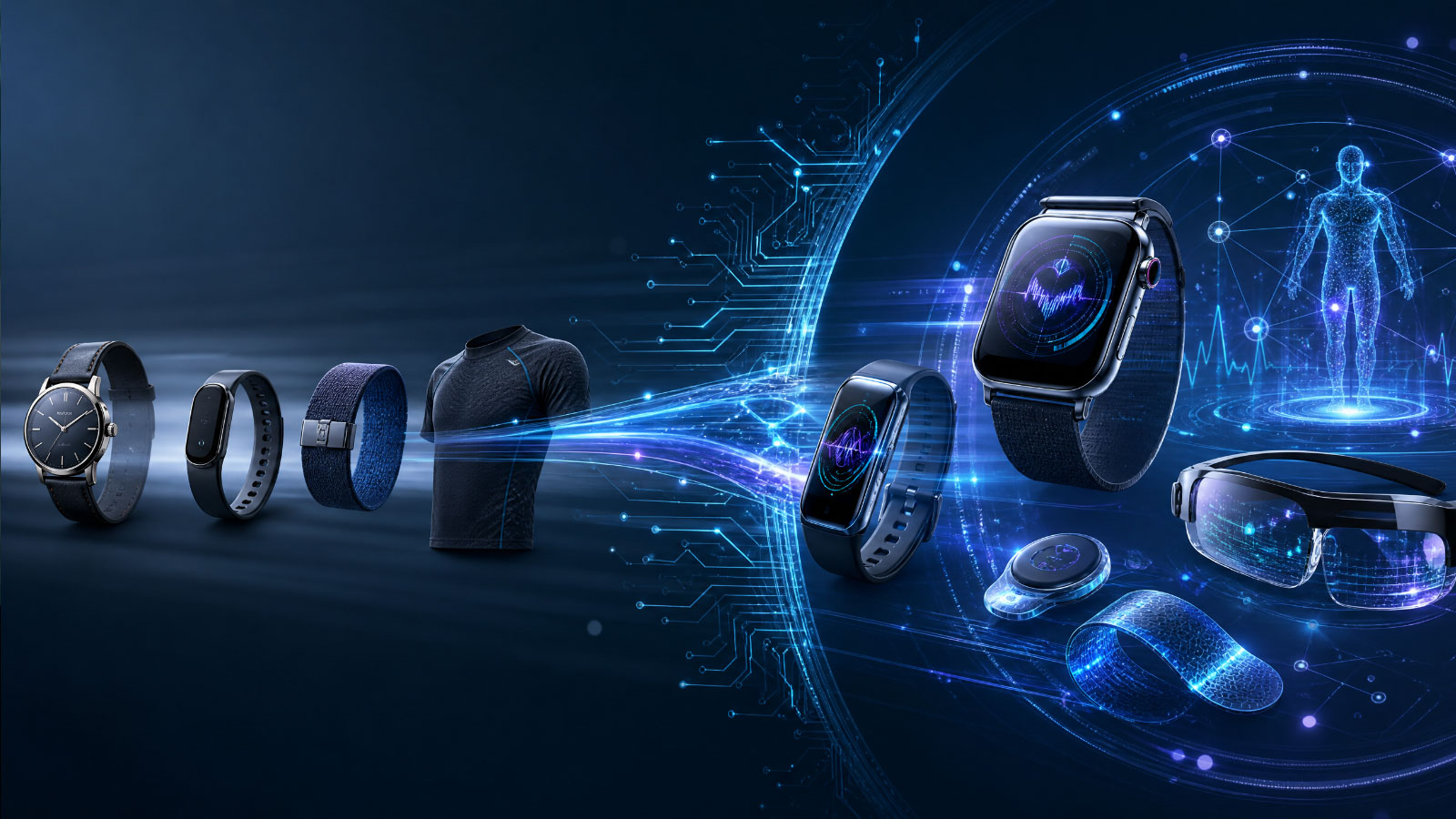
The Rise of Wearable Devices: Early Beginnings
A big turning point came when wearable devices included GPS technology. GPS was first mostly utilised in stand-alone devices like automotive navigation systems for many years. But the prospect of incorporating GPS into wearables became real as smaller, more powerful GPS chips and sensors evolved.
Companies started creating GPS-enabled wearables that could follow users' movements, offer navigational aid, and notify loved ones or users in case of an emergency as the capacity to track position in real time becoming increasingly available. These developments rapidly created fresh possibilities for uses in many fields, including fitness, healthcare, personal safety, and even pets.
Trends in Wearable Devices with GPS Technology
Wearable technologies have changed dramatically in terms of impact, design, and utility. Several important trends in the GPS tracking sector are fuelling the expansion of various gadgets.
1. Integration with Health Monitoring Systems
Wearable technologies developed from basic fitness trackers to whole health monitoring systems as wellness and healthcare grew ever more vital. Sensors included in modern GPS-enabled wearables may track a variety of health indicators including heart rate, blood oxygen levels, sleep patterns, and even stress levels.
These gadgets give consumers and healthcare professionals important information since they can monitor general health and track physical activity. GPS capability lets users monitor their position during outdoor pursuits as running, cycling, or trekking, therefore facilitating safety during exercise.
Many of these wearables today combine with cellphones and other smart devices to provide consumers with a complete view of their health, activity, and location all in one spot. Future health-tracking wearables may be even more sophisticated with extra features like advanced ECG readings or blood glucose monitoring.
2. Emergency and Safety Features
Many wearables including GPS tracking systems give safety first priority. These gadgets have included elements that guarantee personal safety as the technology has developed, especially for vulnerable populations include children, the elderly, or those with medical issues.
Wearable devices now frequently include emergency elements such real-time location alarms, fall detection, and panic buttons. If an elderly person falls or need immediate help, for instance, their wearable can automatically notify a designated carer or family member with their precise position.
For youngsters as well, GPS-enabled smartwatches have tools like geo-fencing, which enables parents create boundaries for their children. Should the child surpass the approved range, the wearable alerts the parent, therefore providing piece of mind and guaranteeing their safety.
3. Smarter, More Stylish Designs
In terms of design, wearable technologies have advanced greatly. Early models were frequently ugly and heavy, but today wearable devices are elegant, fashionable, and flexible. From chic smartwatches to covert wristbands, necklaces, and even clothes with built-in GPS capability, GPS-enabled wearables are now available in a variety of forms.
Users of more fashionable and customisable devices find it simpler to include wearables into their daily life without feeling self-conscious. Manufacturers concentrating on lightweight, durable, and breathable materials that guarantee wearability over long periods of time has helped design to increase comfort as well.
Thanks to these design innovations, wearables have also become more popular. More people from all walks of life and ages embrace the technology. These days, wearable technologies are seen not only as practical tools but also as fashion ornaments that will accentuate individual style.
Advancements in Wearable GPS Tracking
Wearable devices' integration of GPS technology has spurred a tsunami of invention. From improved accuracy to fresh features, here are some of the most interesting developments in wearable GPS tracking gadgets.
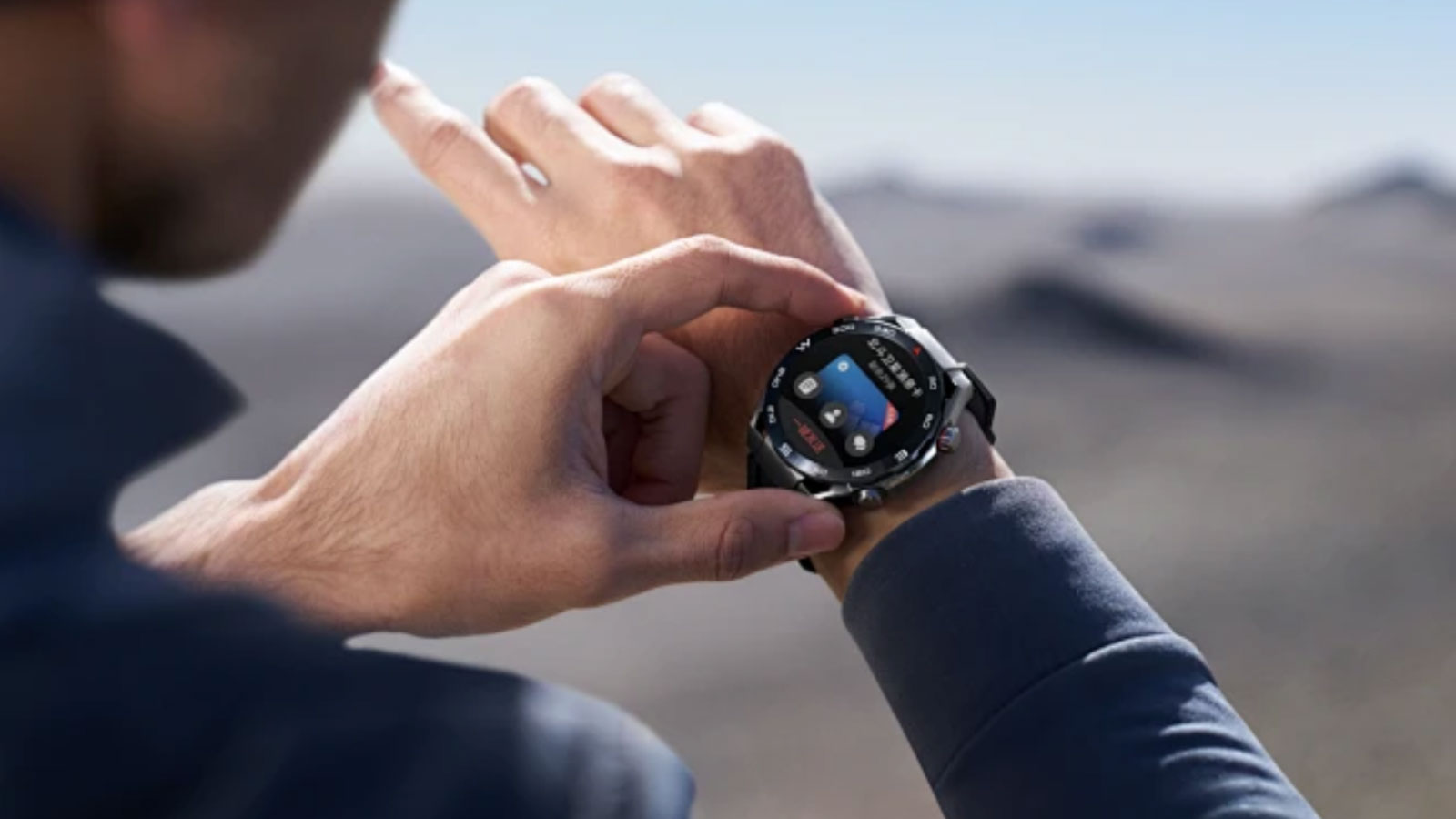
1. Advanced GPS Tracking Accuracy
Early GPS devices—especially those included into wearables—often suffered with accuracy, especially in cities or heavily populated areas where towering buildings may block GPS signals. Still, GPS technology has advanced to greatly increase tracking precision.
Particularly in places where conventional GPS may fail, today's GPS-enabled wearables combine technologies including GPS, GLONASS ( Russia's version of GPS), Galileo (Europe's navigation system), and BeiDou (China's navigation system), therefore offering more accurate tracking. Many wearables also use Assisted GPS (A-GPS) to increase accuracy by means of data derived from Wi-Fi networks and cell towers.
2. Hybrid Tracking Systems
Manufacturers have started adding hybrid tracking systems into wearables as GPS technologies keep developing. To yield more accurate and dependable location data, these systems mix GPS with other technologies such Wi-Fi, Bluetooth, and cellular networks.
Wearables can switch to Wi-Fi or Bluetooth tracking, for example, in places with weak or nonexistent GPS signals, therefore maintaining position information. This hybrid method guarantees that users may be followed in more surroundings, including indoor or in areas with weak GPS reception.
3. Real-Time Location Sharing and Tracking
The ability to let others access real-time location data is another significant breakthrough. Many wearable devices now provide this function, especially those meant for families or carers tracking the safety of loved ones.
Family members or carers may track the whereabouts of children, elderly people, or anyone sporting the wearable in real-time. Certain technologies give everyone engaged peace of mind by letting the wearer communicate their whereabouts with several contacts at once. When users are in unfamiliar or dangerous places or during an emergency when quick assistance is needed, this function is especially helpful.
4. Battery Life Improvements
Battery life has always been one of the main obstacles for wearables supported by GPS. Particularly in real-time, GPS tracking is power-intensive and many early systems needed frequent recharge. Still, new developments in power management systems and battery technologies have extended the lifetime of wearable GPS sensors.
Longer battery life is increasingly a feature of new wearables; some versions can last several days on one charge. Furthermore extending battery life and enabling continuous position monitoring without continual recharging include the adoption of energy-efficient GPS chips and the incorporation of low-power technologies like Bluetooth Low Energy (BLE).

Conclusion
Wearable technologies have revolutionised the GPS tracking sector by providing answers outside of simple navigation. Combining real-time location tracking with emergency functions, health monitoring, and improved battery life, today's wearable GPS gadgets give consumers of all ages more safety and convenience. These devices will becoming ever more sophisticated as technology develops, providing better accuracy, clever designs, and more individualised experiences.
To explore more about how wearable GPS devices can enhance your safety and daily life, visit Huatenglobal.


