






The market offers a wide variety of GPS trackers, ranging from cheap Bluetooth anti-loss devices to industrial-grade expensive trackers, with vastly different functions.
Many customers ask us, "With so many products, which one is right for me?"
The answer is: "there is no single best tracker, only the one best suited to your specific application scenario."
As an expert who provide professional OEM&ODM GPS tracker and wearable health monitor tracker and solution over last 10+ years, we will systematically outline the classification system of GPS trackers from a technical perspective and provide a practical selection decision-making framework.
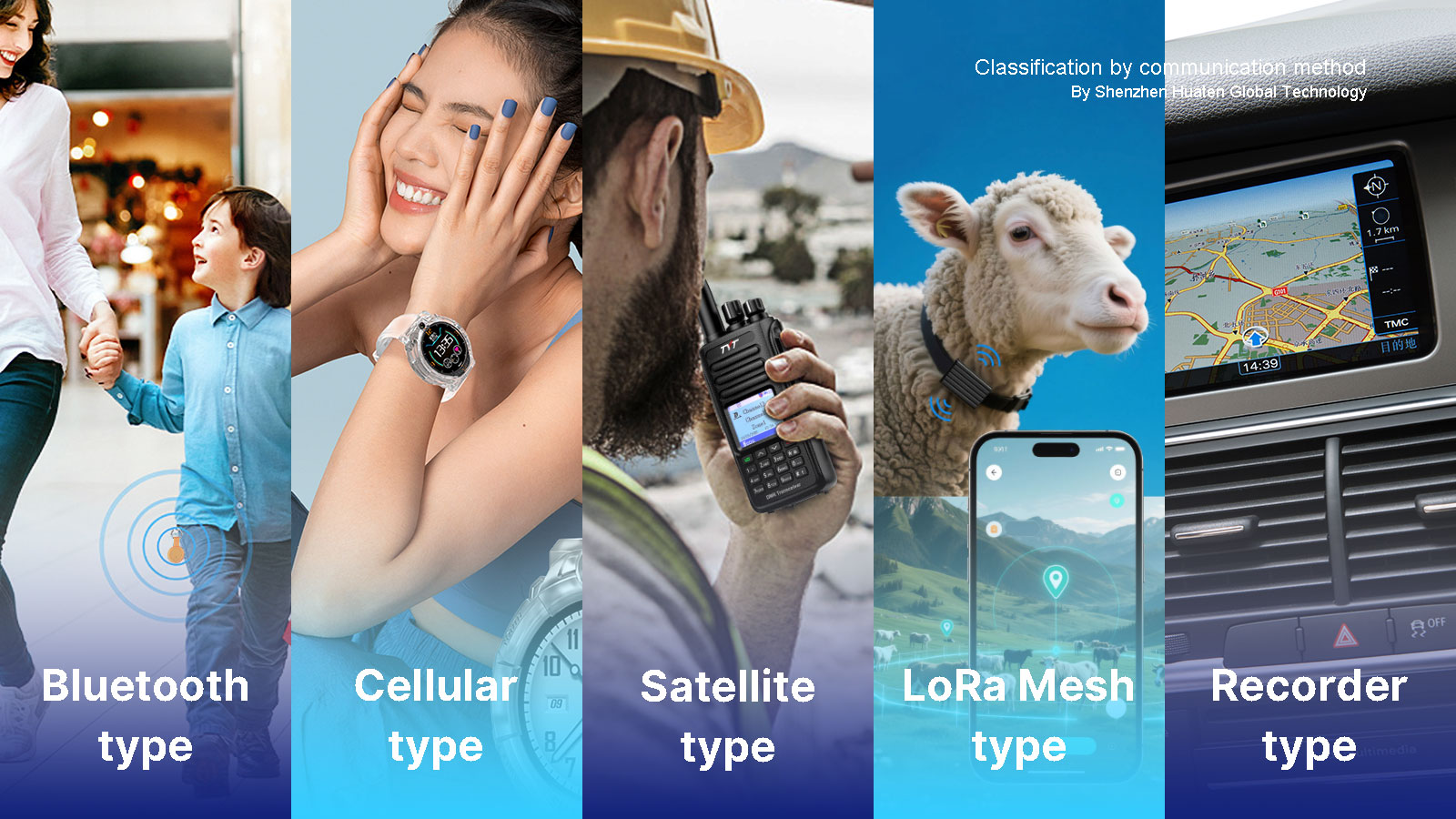
| No. | Type | Working Principle | Advantages | Disadvantages | Applications |
| 1 | Cellular tracker | Built-in SIM card, uploads data via cellular network | No communication module, only store in internal | Requires monthly fee; has signal dead zones | Real-time monitoring of vehicles, personnel, and assets |
| 2 | Satellite tracker | Communication via Iridium, BeiDou short message, etc. | No blind spots, global coverage | High cost; high power consumption | Ocean-going vessels, polar expeditions, uninhabited areas |
| 3 | Bluetooth tracker | Upload data via Bluetooth connection to mobile phone | No blind spots, global coverage | Relies on mobile network; not real-time | Key finding, wallet finding (AirTag type) |
| 4 | LoRa mesh | Data is aggregated via gateway | Low power consumption, private deployment possible | Requires self-built gateway | Factory, industrial park, farm, etc. |
| 5 | Recorder | No communication module, only store in internal memory | No monthly fees, ultra-long battery life | Cannot be viewed in real-time | Outdoor sports, scientific research data collection |
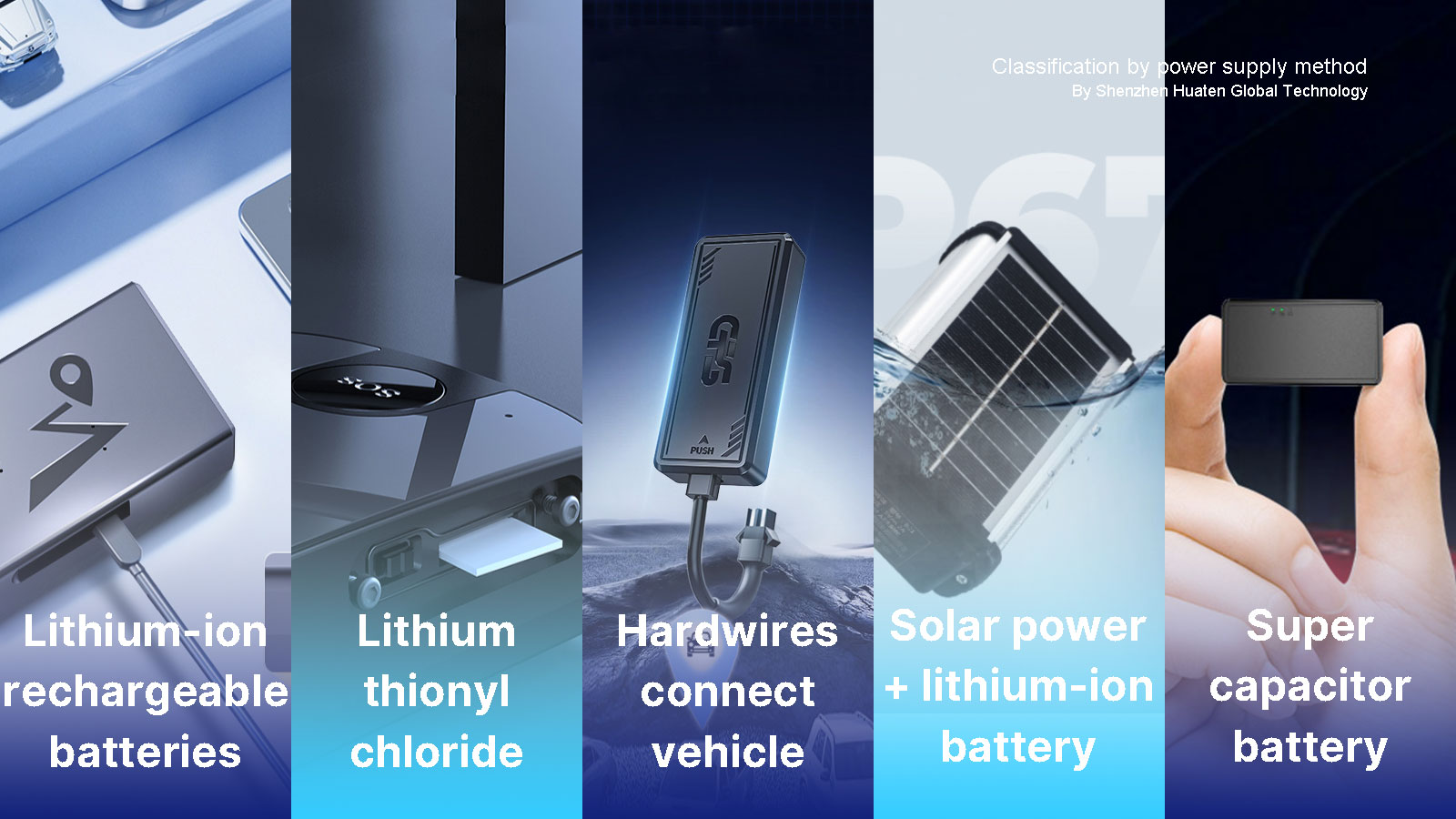
| No. | Type | Power Supply Methods | Battery life characteristics | Applicable Scenarios |
| 1 | Battery-powered | Built-in rechargeable battery | Few days to weeks | Personal tracking, pets, vehicle, assets |
| 2 | Disposable battery type | Lithium thionyl chloride battery | 1-5 years | Long-term asset monitoring, field equipment |
| 3 | Vehicle power supply type | Vehicle power supply type | Unlimited (vehicle has electricity) | Fleet management, vehicle anti-theft |
| 4 | Solar charging type | Solar power + built-in battery | 3-5 years (with sunlight) | Field assets, agricultural equipment |
| 5 | Supercapacitor type | Powered by vibration | Unlimited (with vibration) | Railway freight cars, tires, etc. |
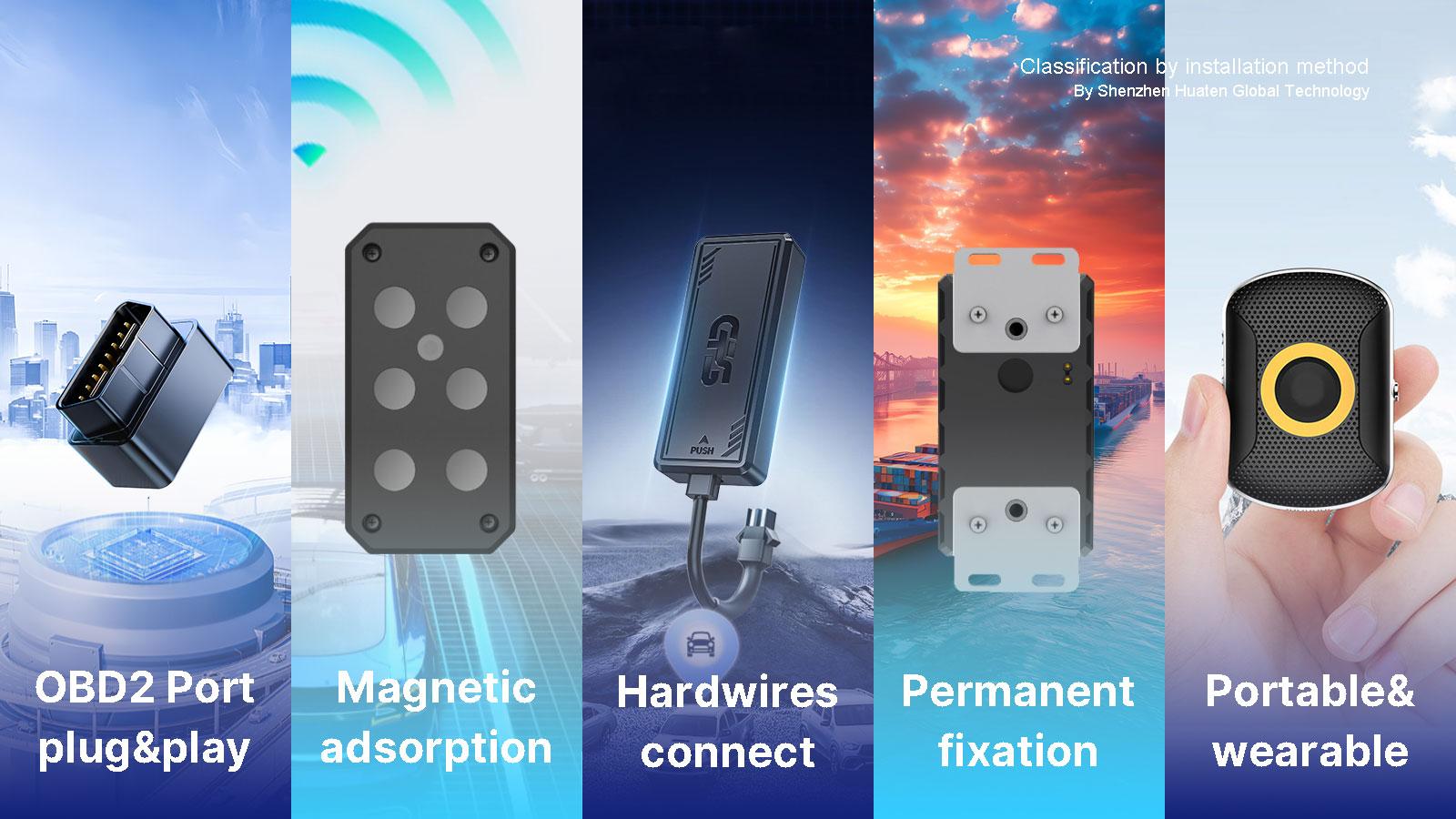
| No. | Type | Installation Method | Fixed install | Disadvantages |
| 1 | OBD Interface | Plug and play | Simple installation, reads vehicle data | Easily noticeable |
| 2 | Strong Magnet | Magnetic attachment | Concealed, no wiring required | Requires regular charging |
| 3 | Hardwired connect | Magnetic attachment | Concealed, unlimited power supply | Requires professional installation |
| 4 | Portable | Carry | Concealed, unlimited power supply | Requires frequent charging |
| 5 | Fixed install | With 3M adhesive or screws | Permanent mounting | Difficult to disassemble |
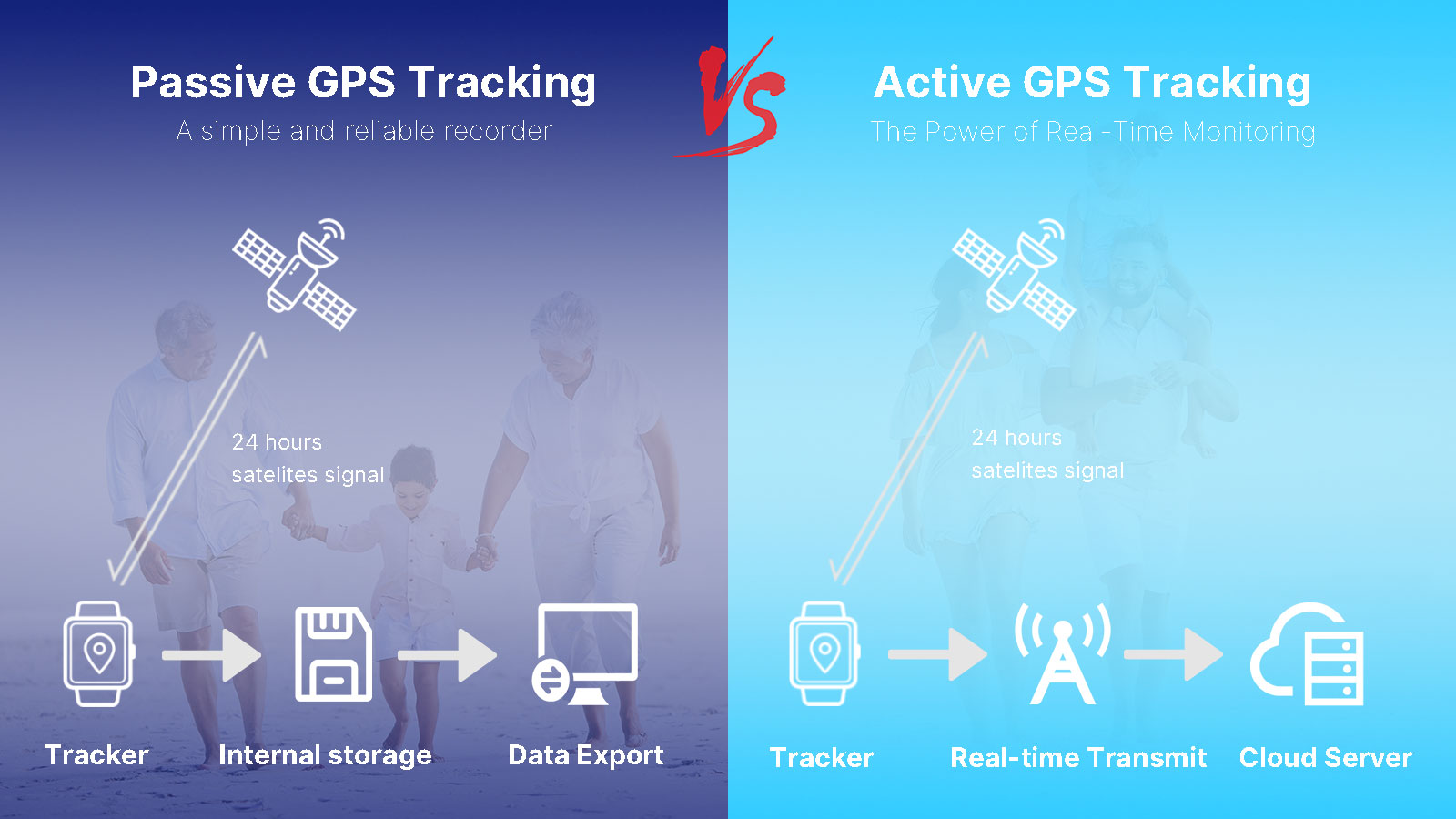
| No. | Feature | Active GPS Tracker | Passive GPS Tracker |
| 1 | Core Principles | Real-time Data Transmitter | Data Logger |
| 2 | Working Method | Transmits location data to a cloud server in real-time or periodically via a built-in SIM card and mobile 2G/3G/4G cellular network. | Store location, time, and other data in the device's internal memory (e.g., SD card), without actively transmitting it. |
| 3 | Data Viewing | Remote Real-time Viewing (View real-time location and movement trajectory anytime, anywhere via a mobile app or web platform.) | Manual Download Afterwards (Requires physical retrieval of the device and exporting the stored data to a computer/phone via data cable or Bluetooth for viewing.) |
| 4 | Key Dependencies | 1. Mobile network coverage 2. Continuous power supply (or frequent charging) | Device must eventually be retrieved. |
| 5 | Battery Life | Days to weeks Due to continuous communication, it consumes power quickly. It often needs to be connected to the vehicle's power source orcharged frequently (every few days to several weeks). It also depends on the environment satellites, network coverage strength and upload interval | Very Long Exclusively for location and storage, extremely power-efficient. One charge can last for weeks to months. |
| 6 | Cost | Device Fee + Monthly Service Fee Mobile data traffic and platform service fees are payable. | Typically, only the equipment cost is charged; there are usually no subsequent monthly fees. |
| 7 | Key Advantages | Real-time operation, remote alarms (electronic fences, vibration alerts, etc.), remote monitoring. | Real-time operation, remote alarms (electronic fences, vibration alerts, etc.), remote monitoring. |
| 8 | Application Scenarios | Vehicle anti-theft, logistics fleet management, real-time personnel/pet monitoring, valuable asset tracking. | Recording movement trajectories (hiking, cycling), post-event route verification, wildlife research, and recording operations in areas without network coverage. |
| No. | Subtypes | Power Supply Methods | Installation difficulty | Concealment | Functional features | Recommended Scenarios |
| 1 | OBD Interface | Vehicle Power Supply | ⭐ | ⭐⭐ | Plug and play, can read fault codes | Rapid deployment for private cars |
| 2 | Strong Magnet Installation-Free | Built-in Battery | ⭐⭐ | ⭐⭐⭐⭐ | Completely concealed, can adhere to the chassis | Vehicle anti-theft tracking |
| 3 | SHardwired connect | Vehicle Power Supply | ⭐⭐⭐ | ⭐⭐⭐ | Most comprehensive functions, can disconnect fuel and electricity | Fleet management, financial risk control |
| 4 | Cigarette lighter | Cigarette Lighter Power Supply | ⭐ | ⭐ | For temporary use, easily detected |
Positioning Accuracy: 2-5 meters in open areas, 5-15 meters in urban canyons.
Alarm Functions: Vibration alarm, power failure alarm, displacement alarm, overspeed alarm.
Control Functions: Some models support remote fuel/power cutoff.
Data Interface: Can read CAN bus data such as mileage, fuel consumption, and fault codes.
Private car anti-theft, fleet management, financial leasing risk control, test drive vehicle monitoring, driving behavior monitoring
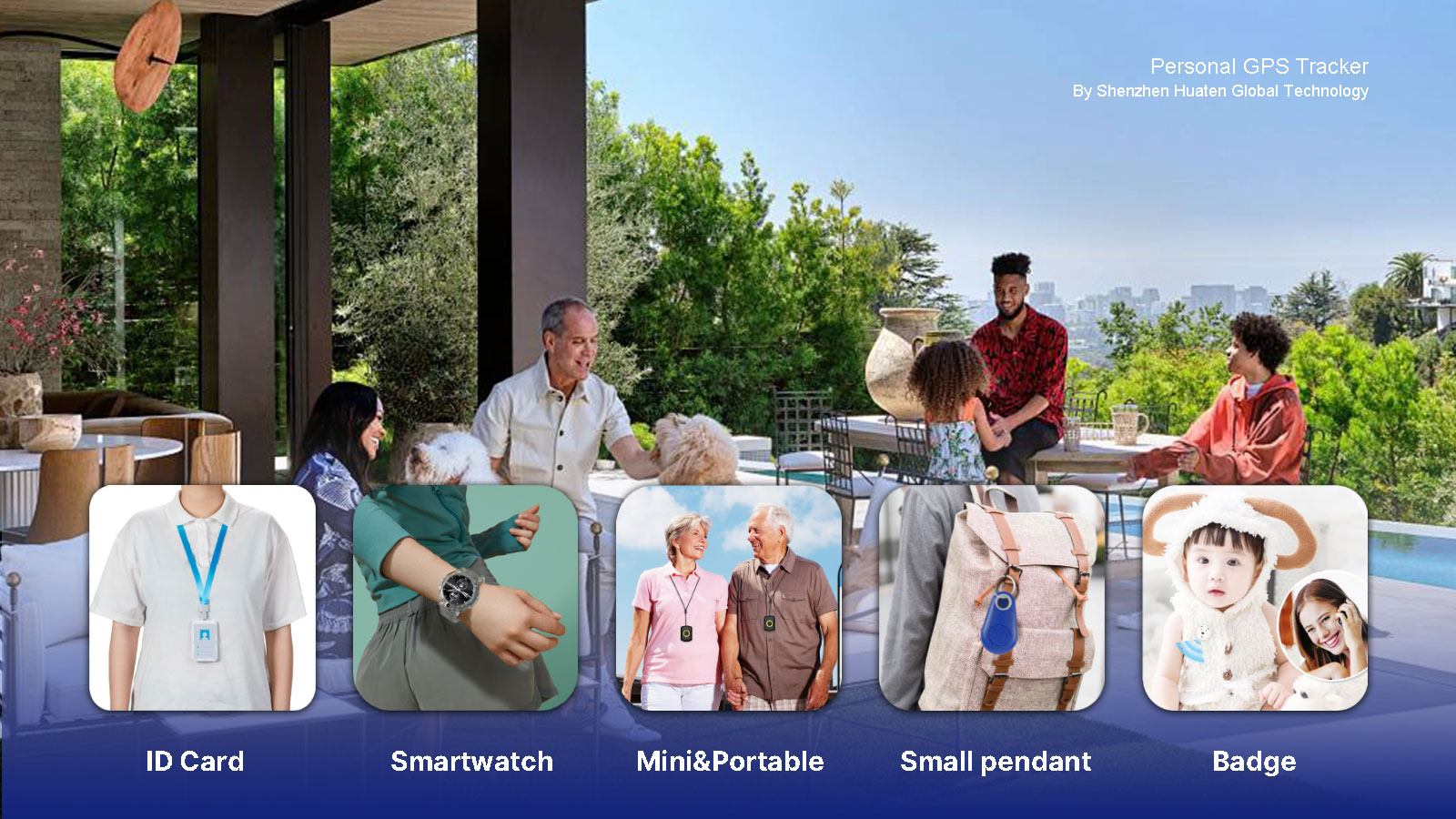
| No. | Subtypes | Shape | Wearing Methods | Battery Duration | Core Functions | Target Audience |
| 1 | Card type | Bank card size | Lanyard, pocket | 3-10 days | SOS, Location, Geofencing | Elderly, students, employee |
| 2 | Smartwatch | Watch shape | Wrist | 2-5 days | Location, Call, Health | Elderly, students, employee |
| 3 | Keychain type | Small pendant | Keychain | 2-7 days | Basic Location, Anti-loss | Elderly, students, employee |
| 4 | Pendant type | Necklace pendant | Neck | 2-7 days | Concealed Wearing, SOS | Special populations |
| 5 | Badge type | Employee badge | Chest | 5-8 days | Concealed Wearing, SOS | Employees and students |
SOS Response: End-to-end latency <10 seconds
Fall Detection: Multi-sensor fusion reduces false alarms
Health Monitoring: Heart rate, blood oxygen, body temperature, etc. (depending on model)
Electronic Fence: Automatic alarm for entering or leaving the safety area
Child tracking, elderly care, safety of employees traveling alone, outdoor activities, etc.
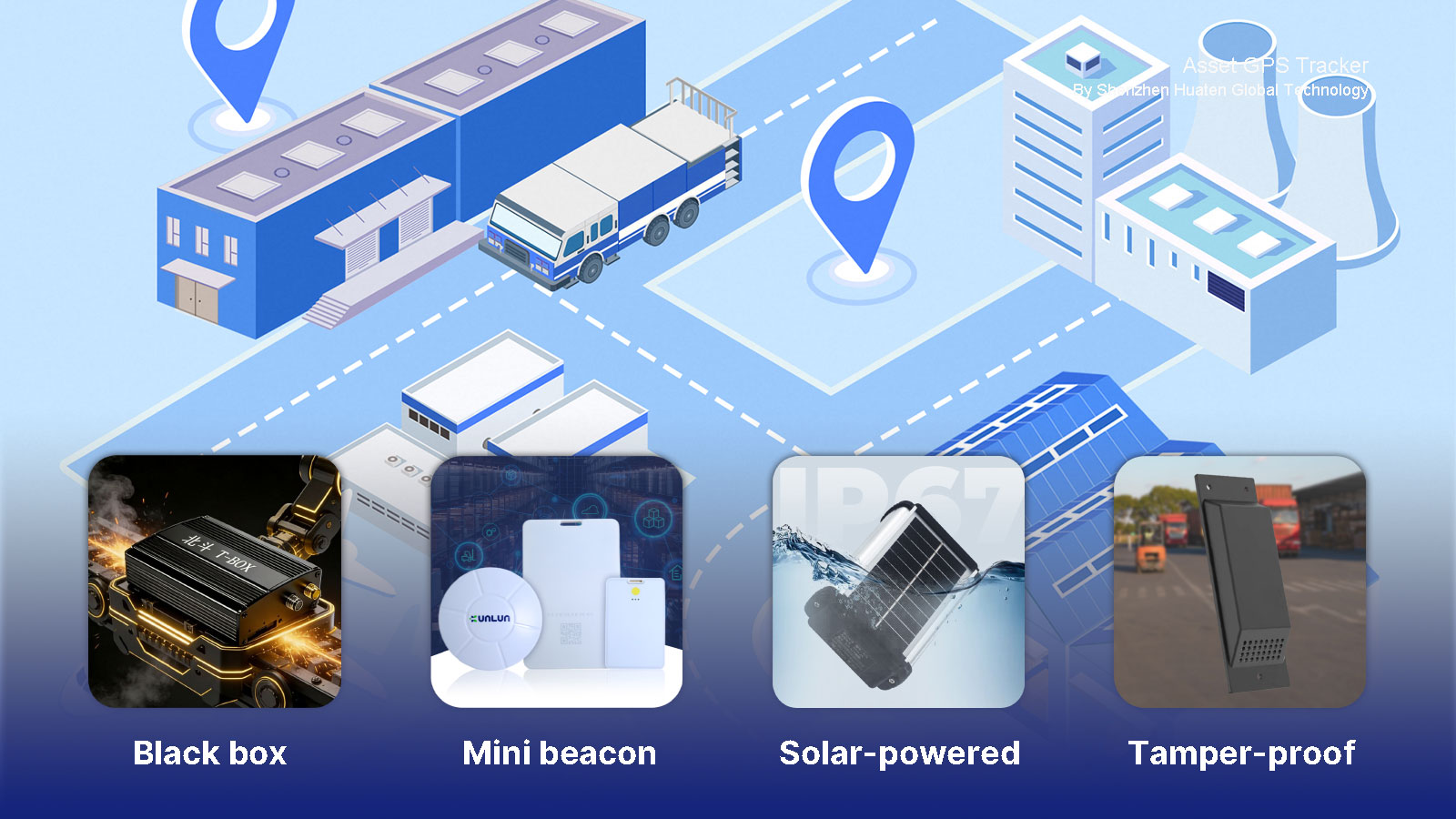
| No. | Subtypes | Battery Life | Protection Rating | Sensor | Applicable Scenarios |
| 1 | Industrial-grade black box | 1-5 years | IP67 | Vibration, tilt, temperature | Containers, engineering equipment |
| 2 | Mini beacon | 3-12 months | IP65 | Basic positioning | Tools, pallets, small assets |
| 3 | Mini beacon | 3-5 years | IP66 | Multiple options available | Field assets, agricultural equipment |
| 4 | Tamper-proof | 1-2 years | IP67 | Light sensor, tamper-proof switch | High-value asset theft prevention |
Motion Wake-up: Sleeps when stationary, activates when moving, significantly extending battery life.
Data Caching: Stores data locally when there is no signal, automatically re-uploads upon recovery.
Environmental Monitoring: Monitors temperature, humidity, light intensity, vibration, etc.
Tamper Alarm: Alarms immediately upon detecting tampering.
Real-world Data: In daily reporting mode, disposable lithium-ion batteries can achieve 2-5 years of battery life; in real-time tracking mode with minute-by-minute reporting, rechargeable devices can only last 7-30 days.
Containers, construction machinery, medical equipment, valuable goods, leased assets
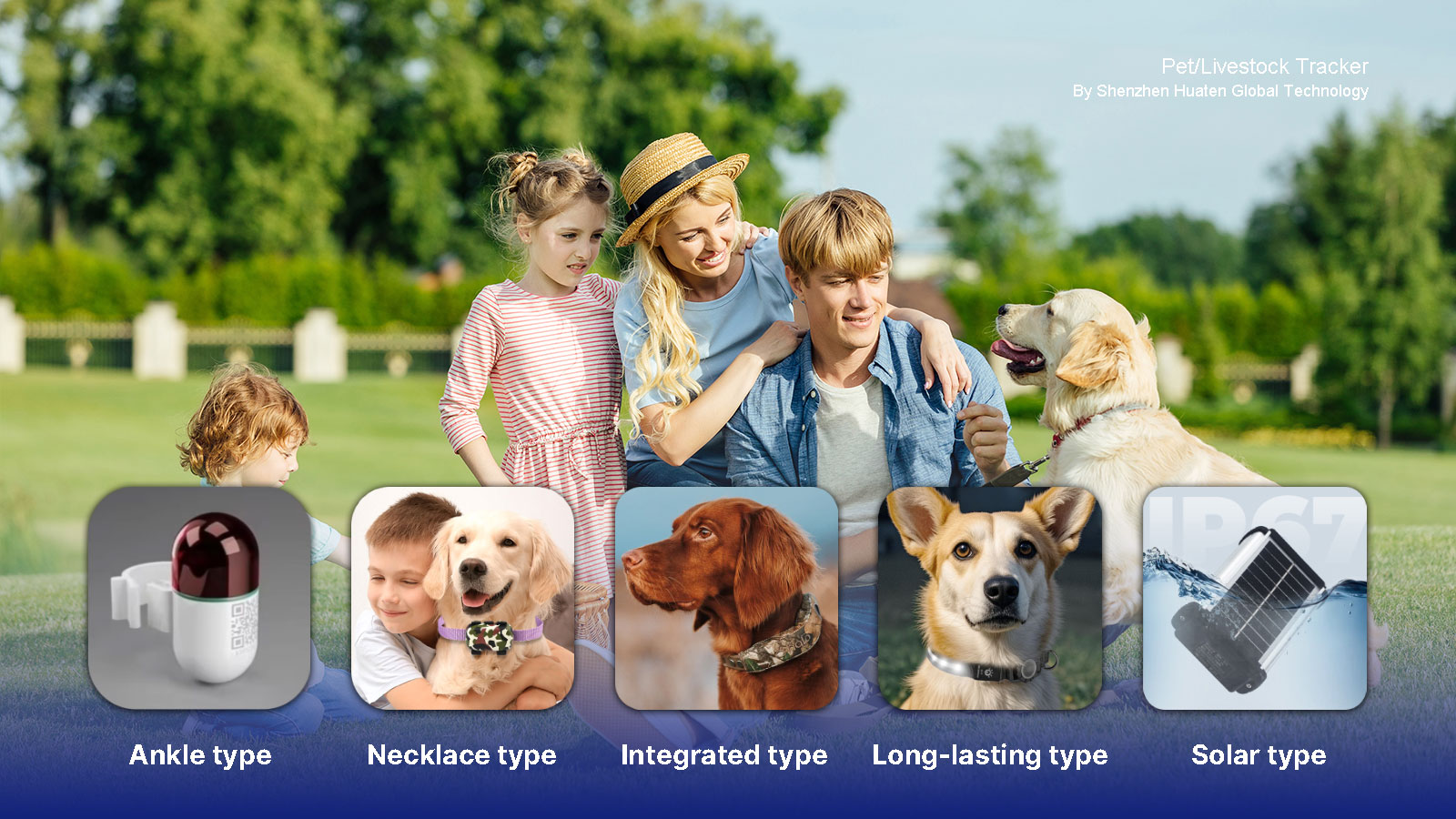
| No. | Subtypes | Weight | Battery Duration | Positioning Method | Features |
| 1 | Ankle type | <5g | 30 days | GPS + Bluetooth | Super compact |
| 2 | Necklace type | 30-50g | 3-7 days | GPS+LBS+Wi-Fi | Small enough to hang on any collar |
| 3 | Integrated necklace | 100-250g | 5-10 days | GPS+Wi-Fi | Comfortable to wear and won't easily fall off |
| 4 | Long-lasting battery | 80-120g | 1-3 months | GPS (low frequency) | Suitable for ranches/rural areas |
| 5 | Solar power | 150~500g | 3-5 years | GPS (low frequency) | Ranches and livestock farming |
Waterproof rating: At least IP67 (swimming and rainproof)
Weight control: Less than 3% of the pet's body weight
Collar detachment alarm: notifies when is detected to have come off.
Locating dogs, cats, birds, cattle, sheep, horses, and other animals.
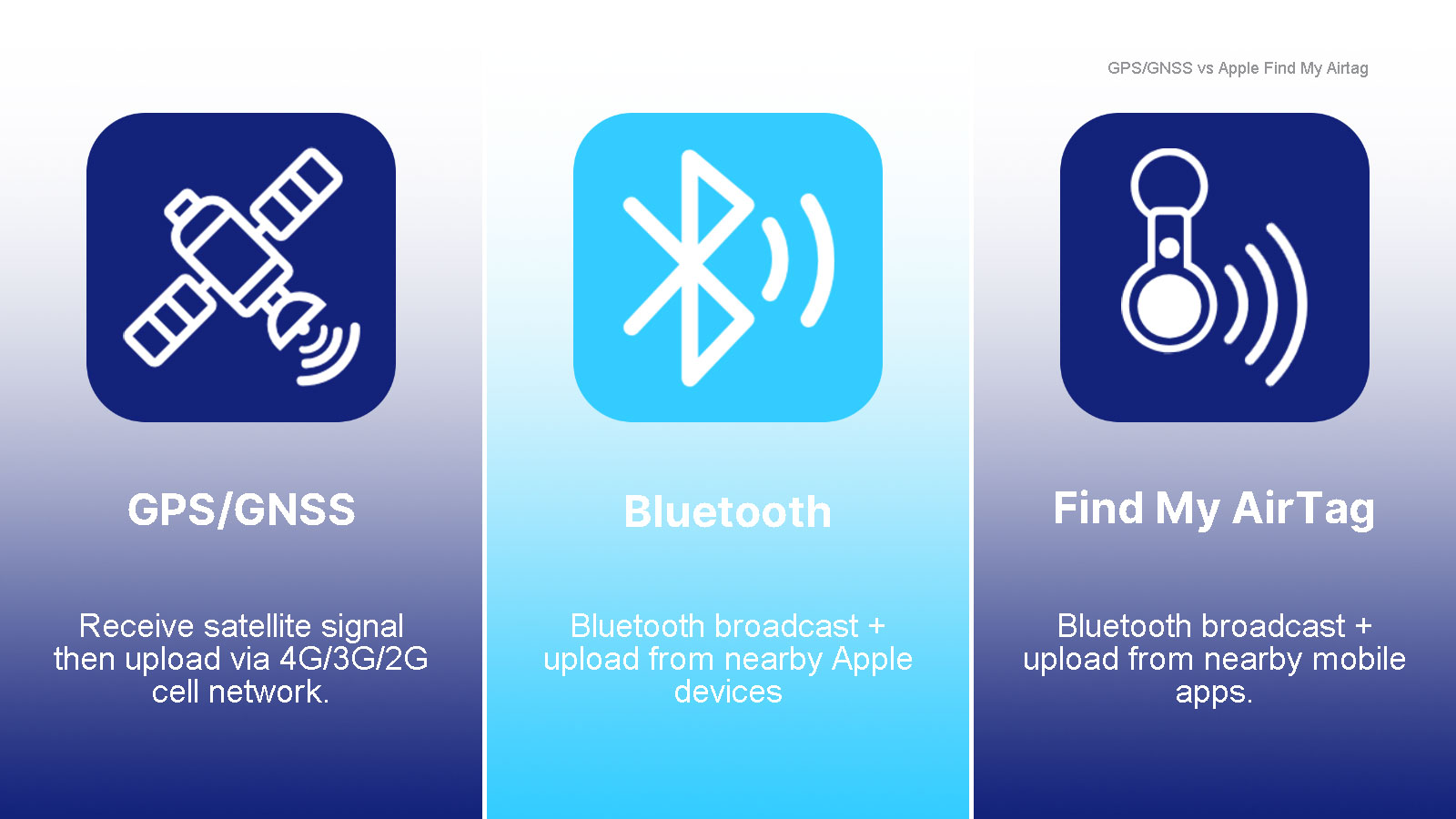
Many users confuse GPS/GNSS trackers with Bluetooth anti-loss devices, the table below can help you quickly understand.
| No. | Aspect | GPS/GNSS Tracker | Apple Find My (AirTag type) | Bluetooth Anti-Loss Device (Tile Type) |
| 1 | Positioning Principle | Receives satellite signals + cellular upload | Bluetooth broadcast + upload from nearby Apple devices | Bluetooth broadcast + nearby mobile app upload |
| 2 | Communication Distance | Global (where cellular network is available) | Global (where Apple devices are present) | 10-50 meters (direct connection); global (crowdsourcing) |
| 3 | Real-time Performance | Real-time (2-5 second delay) | Near real-time (depends on surrounding device density) | Not real-time, requires proximity or crowdsourcing |
| 4 | Real-time Performance | 2-10 meters (outdoors) | 1-5 meters | Normal (affected by walls) |
| 5 | Indoor Performance | Poor (no GPS signal) | Good (UWB can penetrate walls) | 6-12 months |
| 6 | Battery Standby Time | Days to years (depending on reporting frequency) | 1-2 years | 6-12 months |
| 7 | Monthly Cost | Requires (cellular network) | Requires (cellular network) | No |
| 8 | Applicable Scenarios | Real-time monitoring of vehicles, pets, personal, and assets, etc. | Keys, backpacks, wallets | Keys, remote control, personal belongings |
AirTag products are not GPS trackers; they rely on the surrounding Apple device network for "quasi-location" and cannot be used in scenarios requiring active, real-time monitoring.
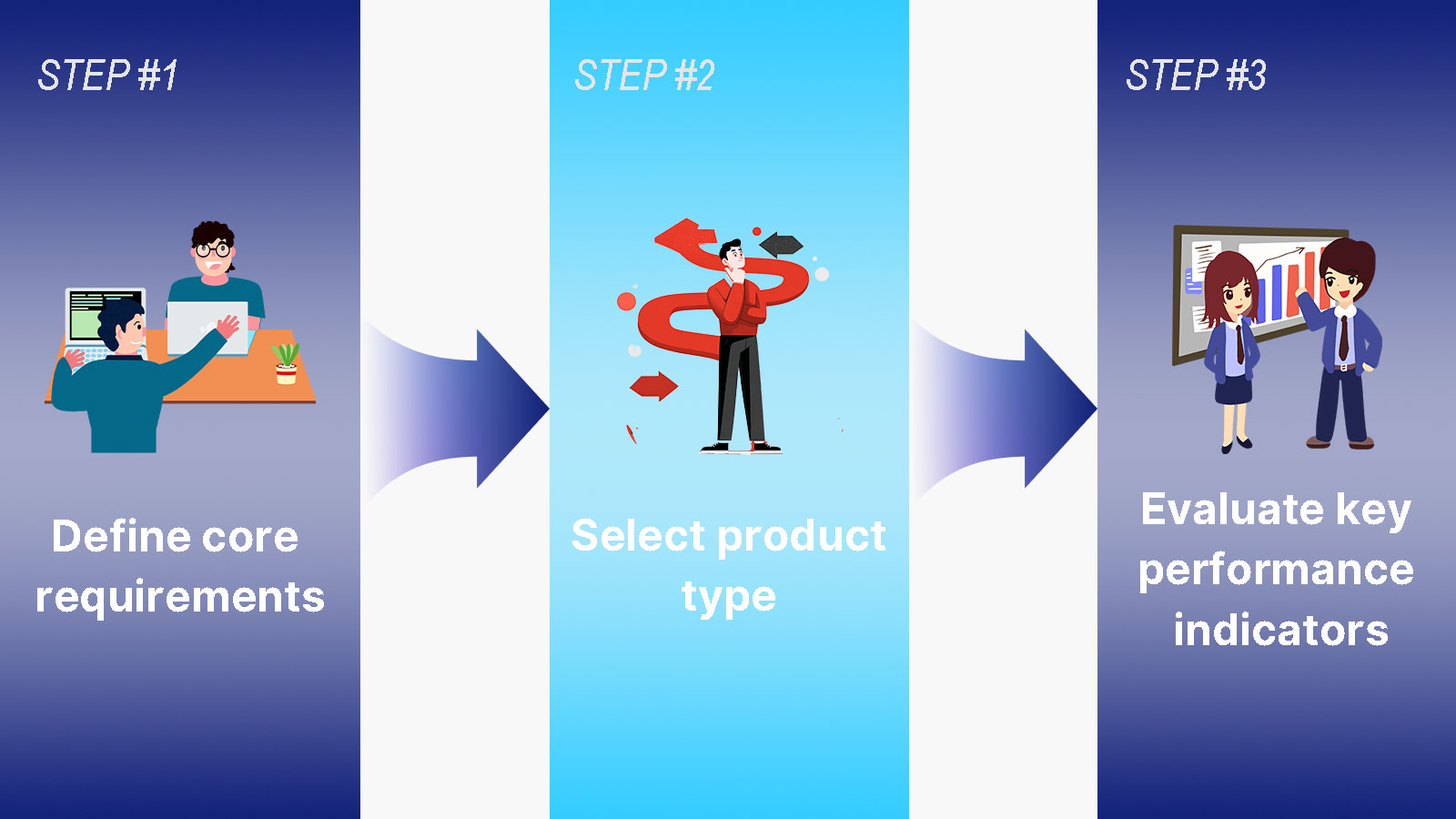
Please answer the following questions
| No. | Question | Options | Leading to |
| 1 | What do you need to track? | Vehicle / Personnel / Assets / Pets | Determine Device Category |
| 2 | Is real-time monitoring required? | Yes / No | Cellular for Real-Time Use, Recorder for Non-Real-Time Use |
| 3 | Is there cellular signal in the deployment area? | Yes / No | Consider Satellite or Large Buffer for No Signal |
| 4 | Is there cellular signal in the deployment area? | Days / Weeks / Years / Don't Want to Charge | Consider Satellite or Large Buffer for No Signal |
| 5 | Do you need location tracking indoors as well? | Yes / No | Wi-Fi/Bluetooth Assist Required Indoors |
| 6 | What alarm functions are required? | Vibration / Fence / SOS / Dismantle | Determine Sensor Requirements |
| 7 | How many devices need to be managed? | Several / Tens / Hundreds / Thousands | Determine Sensor Requirements |
Based on your answer, quickly locate the device using the table below:
| No. | Your Needs | Recommend Type | Recommend Model |
| 1 | Private car anti-theft, no complicated installation needed | OBD Interface Type or Strong Magnetic Type | |
| 2 | Logistics fleet management, requiring driving behavior analysis | OBD Locator or Hardwired Vehicle Tracker | |
| 3 | Hard-wired vehicle terminal | Hard-wired vehicle terminal | |
| 4 | Employee outdoor work safety monitoring | Badge type or pendant type | |
| 5 | Long-term tracking of containers/equipment | Long-term tracking of containers/equipment | |
| 6 | Tool/pallet/small item asset management | Bluetooth beacon or mini tracker | |
| 7 | Daily pet tracking | Necklace type (3-7 days battery life) | |
| 8 | Livestock/rural pet tracking | Long battery life type (1-3 months) | |
| 9 | Long Battery Life Type (1-3 Months) | AirTag type or bluetooth anti-Loss device |
After confirming the type, the following technical parameters need to be considered
| No. | Section | Questions |
| 1 | Positioning accuracy requirements | Fleet Management: 5-10 meters is enough |
| Asset Theft Prevention: 3-5 meters | ||
| Personnel Security: 5-15 meters | ||
| 2 | Reporting frequency selection | Real-time Theft Prevention: 10-30 seconds |
| Daily Tracking: 1-5 minutes | ||
| Long-term Monitoring: 1 hour - 1 day | ||
| 3 | Battery life and power consumption balance | High-frequency real-time tracking → Requires rechargeable battery, lasts for several days |
| Medium-frequency (several minutes) → Rechargeable battery, lasts for several weeks | ||
| Low-frequency monitoring (once a day) → Disposable battery, lasts for 1-5 years | ||
| 4 | Environmental adaptability | Outdoor Vehicles: IP65 or higher |
| Water Scenarios: IP67/IP68 | ||
| High/Low Temperatures: Operating range -20°C to 70°C | ||
| 5 | Platform functional requirements | Electronic Fence: Alarm for entering/exiting areas |
| Historical Tracks: View past routes | ||
| Multi-user Management: Multiple users can view simultaneously | ||
| API Interface: Integrate into existing systems |
Some sellers list "GPS trackers" in their titles, but are actually selling anti-loss devices that only connect via Bluetooth within a short range. These products cannot achieve remote real-time tracking; once the item is outside the Bluetooth range (10-50 meters), it cannot be located.
How to identify: Confirm whether the product supports cellular networks (4G) and a SIM card. Devices without a SIM card slot, unless they are satellite-based, cannot achieve true remote tracking.
"Real-time tracking" sounds great, but if the device's battery life is only 1-2 days, the actual user experience will be poor. High-frequency location tracking inevitably consumes more power.
Recommendation: Choose the reporting interval according to actual needs. For vehicle anti-theft systems, increase the reporting frequency after entering "Alert Mode," and report at a lower frequency during normal times.
Global operators are accelerating the shutdown of 2G/3G networks. If you buy a device that only supports 2G, it may become unusable within a few years.
Recommendation: Prioritize 4G Cat.1 or 4G Cat.M devices to ensure compatibility with future network evolution.
Some low-priced products have decent hardware, but their accompanying apps have poor user experience, servers located overseas causing high latency, and problems are difficult to resolve.
Recommendation: Choose brands with local technical support and good app reviews.
Purchasing a GPS tracker is not a one-time investment. Besides hardware costs, there are:
Platform service fees (monthly/annual fees)
SIM card communication fees
Battery replacement costs (for disposable battery devices)
Maintenance labor costs
Real Data: A study on asset tracking shows that the average annual total cost of ownership (hardware + data + labor) for a GPS device can reach approximately $400 per unit.
As a professional safety and health tracking device and solutions provider, we offer a full range of trackers covering all the categories mentioned below:
| Series | Model | Type | Key Features | Applicable Scenarios |
| Vehicle Tracker Series | OBD Interface | Plug and play, fault code reading | Private cars, small fleet | |
| Strong Magnetic | Concealed installation, 7-30 days battery duration | Vehicle anti-theft | ||
| Hardwired | Unlimited power supply, fuel cut-off function | Fleet management, financial risk control | ||
| Personal Tracker Series | Smart watch | Health monitoring + location tracking | Health monitoring for the elderly, children, and employees | |
| Card Type | SOS one-button alarm, 5-10 days battery duration | elderly, children, and worker | ||
| Pendant | SOS one-button alarm, compact and portable | Goods and pets | ||
| Badge | Concealed installation | Senior, children, and employees | ||
| Assets Tracker Series | Personal Tracker Series | Concealed installation | Containers and construction machinery | |
| Mini | Long standby time, IP67 | Tools and pallets | ||
| Solar Powered | 1-3 years battery life | Tools and pallets | ||
| Pets Tracker Series | Necklace | 5-10 days battery duration | Daily pet tracking | |
| Solar Powered | 1~3 years battery duration | Random pastures and rural areas |
All products come with a free tracking management platform that supports white label customization, API integration, and multi-level account management.
Choosing the right GPS locator is essentially translating your business needs into technical parameters.
Remember this decision map
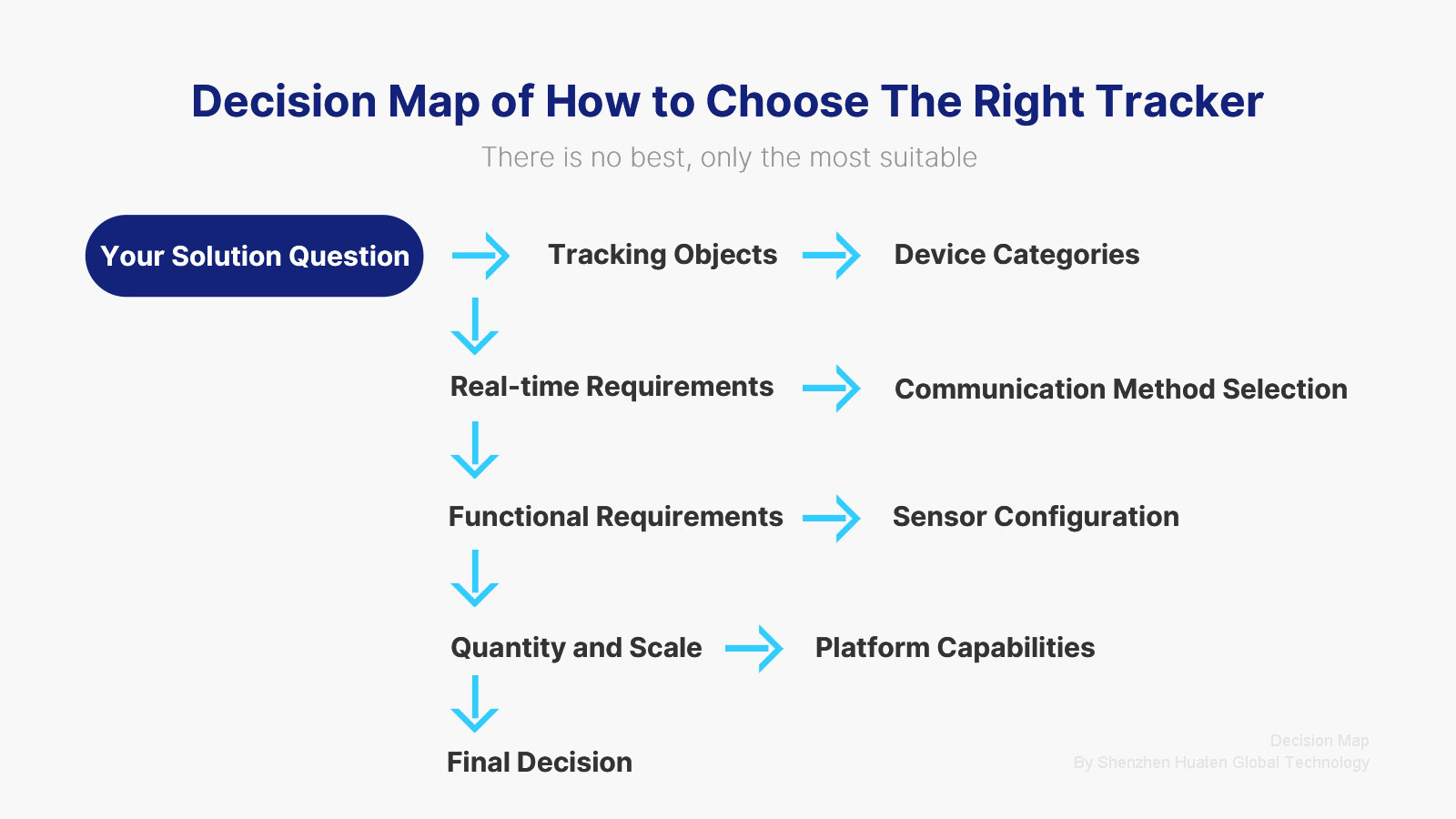
There is no one-size-fits-all "best equipment," only the configuration best suited to your specific needs. Understanding your true requirements and the boundaries of different technologies will enable you to make informed choices.
If you are planning a new tracking project or are undecided between several options, please contact our solutions team. We can provide professional selection advice and prototype testing support based on your specific needs.
 Landscape