





 Landscape
Wearable Tech for Better Health: A Deep Dive into Health Monitoring Features in Smartwatches
Admin 2026-08-15 12:26:00 246
Originally simple time-telling tools alerting you of calls in recent years, smartwatches have evolved into powerful health monitoring smartwatches. These days, tracking exercise, improving personal health, and even early medical problem diagnosis depend on these instruments pretty heavily. Analysing closely the health monitoring smartwatches, this article emphasises their functioning concepts, benefits, and pragmatic applications.
What Are Health Monitoring Features in Smartwatches?
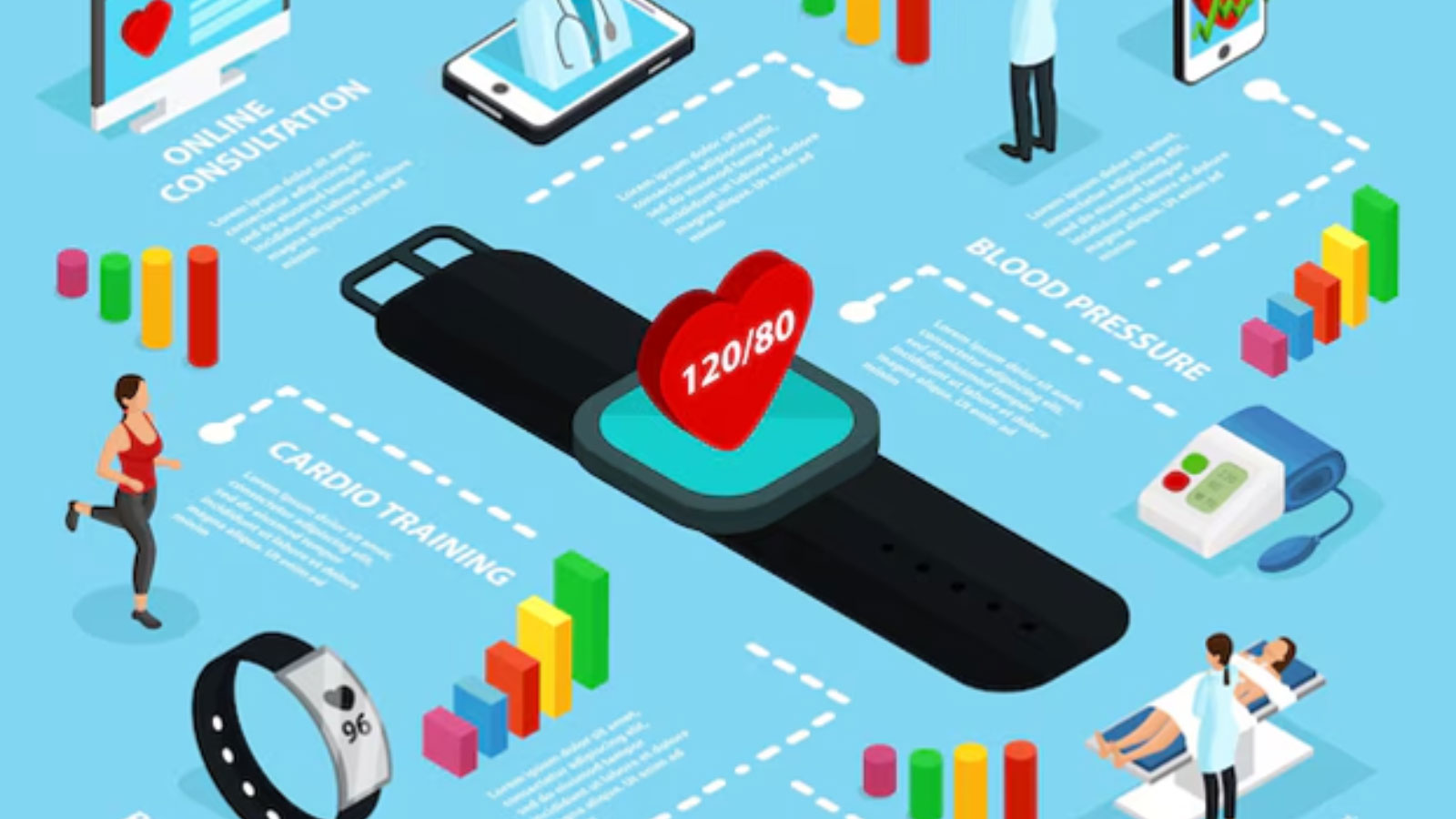
Health monitoring smartwatches are meant to track many health indicators, including heart rate, activity level, sleep patterns, and more. Modern sensors, algorithms, and mobile apps giving users real-time data about their well-being help to enable these capabilities.
Smartwaches track health using mixed technology.
Optical sensors use light to measure blood flow under the skin, so calculating heart rate.
Accelerometers and Gyroscopes: Tracking motion to find sleep and physical activity, accelerometers and gyroscopes assist in
Advanced models include photoplethysmography (PPG) and electrocardiogram (ECG) sensors for whole cardiovascular monitoring.
Some gadgets can monitor skin temperature, which would point to stress or illness.
The Most Common Health Monitoring Features in Smartwatches
The several health monitoring features of smartwatches aim at different aspects of well-being.
2.1 Heart Rate Monitoring
Among the most often used functionality of smartwatches is heart rate monitoring. It offers information on your general cardiovascular state, resting heart rate, and degree of exercise.
Tracking your resting heart rate (RHR) will assist you to more precisely evaluate your baseline condition and spot early disease or stress signals.
Smartwatches help users know when they are in fat-burning, cardio, or peak zones thereby enabling efficient training.
Many smartwatches notify users for abnormally high or low heart rates, therefore enabling the identification of any health risks.
2.2 Sleep Tracking
General health depends on sleep, hence smartwatches provide thorough understanding of sleep quality and duration.
Sleep Stages: Most smartwaches divide your sleep into light, deep, and REM phases.
Sleep Score: Devices compute a score depending on sleep patterns, therefore offering a clear-cut measurement.
Snoring and Breathing Monitoring: Advanced models can even find snoring and track breathing for indicators of sleep apnoea.
2.3 Fitness and Activity Tracking
Through tracking of different physical activities, smartwatches inspire users to remain active.
Step Counting: Tracks daily steps to enable consumers towards fitness targets.
Calories Burned: Calculates calories burned depending on kind and intensity of activity.
Activity Recognition: Automatically picks out walking, running, cycling, or swimming as activities.
2.4 Blood Oxygen (SpO2) Monitoring
Blood oxygen levels show the degree of efficient distribution of oxygen throughout the body.
Nighttime Monitoring: Watches featuring SpO2 sensors analyse oxygen levels throughout sleep to identify disorders such sleep apnoea.
Exercise Recovery: Monitoring SpO2 during exercises aids in performance and recovery evaluation.
2.5 Electrocardiogram (ECG) Monitoring
ECG monitoring is a critical feature for tracking heart health.
Atrial Fibrillation Detection: Smartwatches can identify irregular cardiac rhythms, so enabling users to seek medical advice early on.
Health Reports: Certain watches create comprehensive ECG data that clinicians could find useful.
How Health Monitoring Features Benefit Users?

Beyond mere convenience, wristwatch health monitoring capabilities provide clear advantages for daily living.
Early Detection of Health Issues: Smartwatches let consumers address possible health issues early on by detecting anomalies in blood oxygen, ECG readings, or heart rate.
Encouragement for a Healthier Lifestyle: Smartwatches inspire consumers to keep an active lifestyle by measuring calories, steps, and activities. Activities reminders and goal setting help to promote consistent movement even more.
Better Sleep Quality: Better general health results from users' identification of trends and changes in sleep hygiene made possible by insights on sleep tracking.
Personalised Health Insights: Smartwatch data is often shown in apps with tailored recommendations, therefore enabling users to make wise decisions concerning their health.
Support for Chronic Conditions: With real-time monitoring and alarms, smartwatches especially help those with chronic diseases as diabetes, heart disease, or sleep apnoea.
Real-Life Applications of Smartwatch Health Monitoring
Smartwatches serve useful use in many different contexts, not only theoretical instruments.
Fitness Enthusiasts: Smartwatches give exact performance, recuperation, and progress data for regular exercisers.
Elderly Individuals: With their fall detection, emergency SOS, and continuous heart rate monitoring, smartwatches give seniors peace of mind.
People with Medical Conditions: People with disorders like arrhythmia or hypertension can track their condition using smartwatches and send information to their doctors.
Professionals and Busy Individuals: Smartwatches streamline health monitoring for time-pressed professionals by providing rapid reports on activity levels and stress management without interfering with their schedule.
Innovations and Advancements in Health Monitoring Smartwatches
Smartwatches' technology is always changing and new features are added often.
Artificial Intelligence (AI) Integration: AI algorithms enhance accuracy by analyzing large volumes of health data and offering predictive insights.
Wearable Medical Devices: Approved by regulatory authorities like the FDA for reliable health monitoring, some smartwatches are categorised as medical equipment.
Continuous Glucose Monitoring (CGM): Future smartwatches seek to replace finger pricks by including non-invasive CGM for diabetes sufferers.
Hydration Tracking: Starting to track hydration levels, newer devices enable consumers to keep ideal water intake.
Challenges and Limitations of Health Monitoring Smartwatches
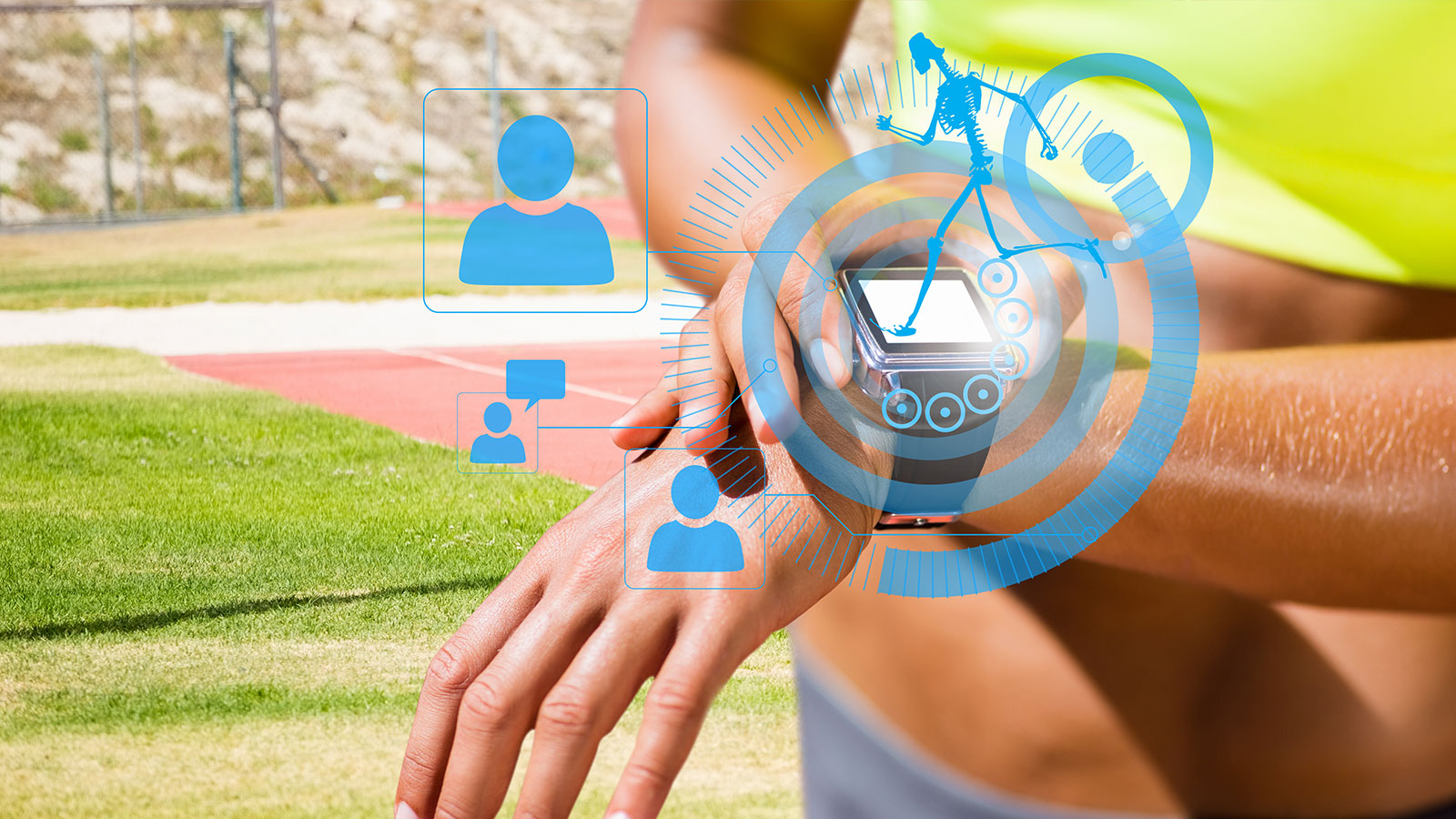
Although smartwatches have several advantages, one should take some thought regarding:
Accuracy: Though they are becoming better, smartwatch sensors are not as accurate as clinical tools.
Battery Life: Features for constant health monitoring can rapidly deplete a battery.
Cost: Advanced features of premium smartwatches may make them costly.
Conclusion
By making health monitoring easily available and practical, smartwatches have transformed wearable technology. Features include ECG analysis, sleep monitoring, and heart rate tracking enable users of these devices to take charge of their health.
If you’re looking to explore cutting-edge health monitoring smartwatches, visit Huatenglobal for a wide range of innovative options tailored to your needs.
Search
Latest News
In-Depth Analysis of Sleep Monitoring Technology in Wearables: From Algorithmic Principles to Accuracy
Wearable Tech for Better Health: A Deep Dive into Health Monitoring Features in Smartwatches

The Future of Fleet Management: Benefits of Vehicle GPS Tracking Devices

Revolutionizing Safety: How Smart GPS Watches Are Changing Lives for Kids and Seniors
10 Common Issues with GPS Positioning Management Platforms Customized by Chinese Companies Overseas Clients
Does All GPS Tracker Needs Internet or SIM Card?
Why the real barrier is "long-term project experience" rather than isn't hardware in GPS industry?
User Manual of Non-Removable GPS Tracking Bracelet C05 (Huatenglobal)

How to Find a GPS Tracker on Your Car? Comprehensive Guide (Updated 2025)
4G Smart Watch Location Algorithm (GPS, LBS and WiFi)
Discussion on the implementation of Huatenglobal smart watch fall alarm from Apple Watch fall algorithm
My grandma seems to have Alzheimer's, can you recommend a bracelet or smartwatch with GPS positioning?