





 Landscape
In-Depth Analysis of Sleep Monitoring Technology in Wearables: From Algorithmic Principles to Accuracy
Admin 2026-09-13 15:54:00 4
What exactly is sleep monitoring measuring?
All consumer-grade wearable devices essentially perform the same task when monitoring sleep: using sensors to capture physiological signals and algorithms to infer which sleep stage you are in. The medical "gold standard" is polysomnography (PSG), which directly assesses sleep states by analyzing multiple signal channels—including EEG (brain activity), EOG (eye movement), EMG (muscle activity), and ECG (heart activity). Consumer devices cannot do this; they can only make "indirect inferences."
They rely on just two types of signals:
Body movement signals: Accelerometers (ACC) record wrist movements.
Physiological signals: Photoplethysmography (PPG) optical sensors record heart rate and heart rate variability.
Algorithms divide the night's data into 30-second "epochs," classifying each one as awake, light sleep, deep sleep, or rapid eye movement (REM) sleep. The technological differences between brands essentially boil down to a strategic choice: whether to place greater trust in body movement data or in physiological signals.
II. In-depth Analysis of Chinese Brands' Technical Approaches
2.1 Huawei: CPC (Cardiopulmonary Coupling)—Assessing Sleep Depth via "Heartbeat-Respiration Synchrony"
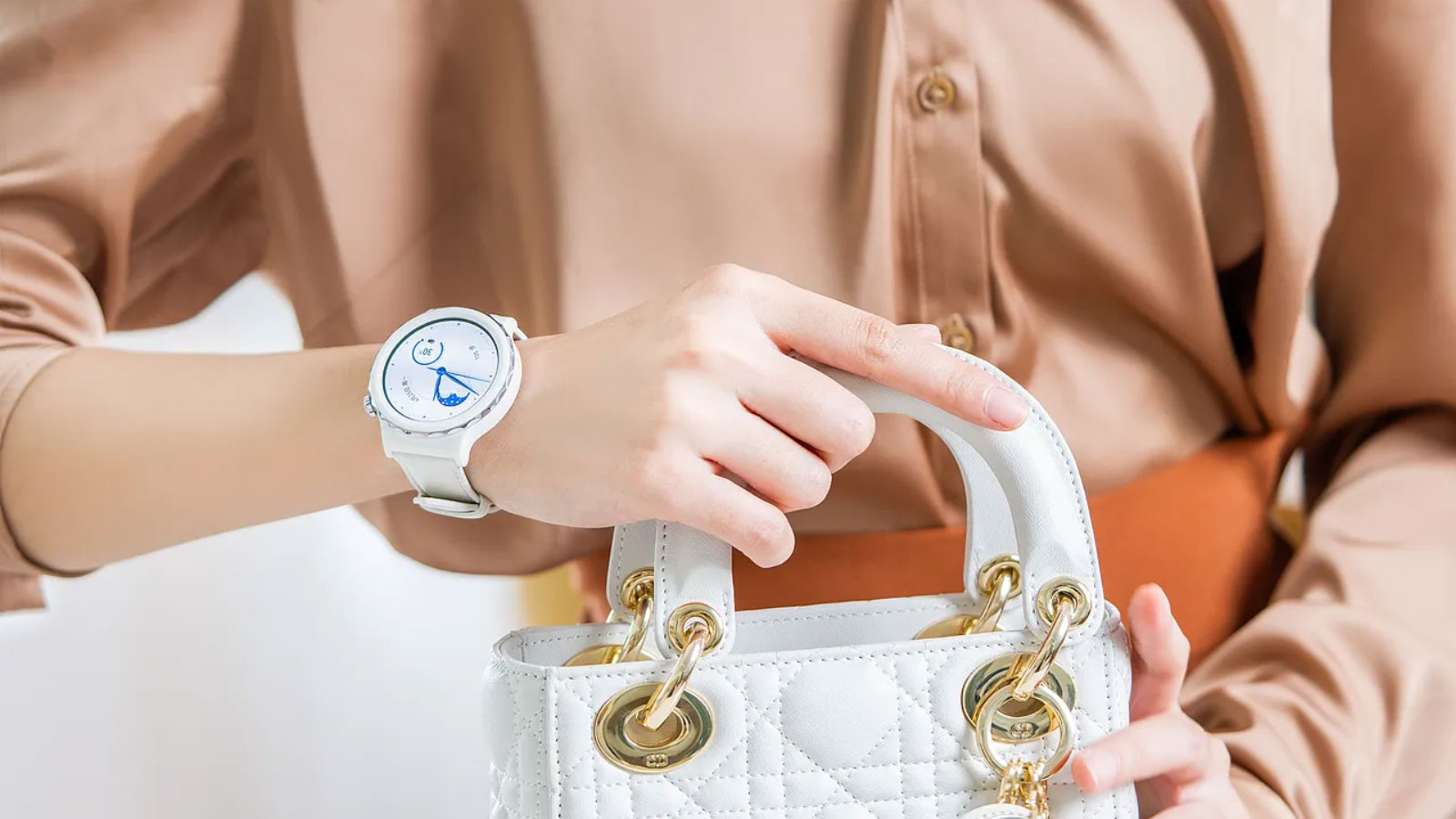
Huawei's TruSleep™ technology, the core of its sleep monitoring system, was originally developed in collaboration with Harvard Medical School. Rather than relying on body movement, it analyzes the coupling relationship between heart rate and respiration.
Specifically, the watch uses PPG sensors to continuously capture heart rate signals, extracting sequences of normal sinus rhythm intervals while simultaneously deriving respiratory signals from the heart rate data. It then employs Hilbert-Huang Transform (HHT) technology to analyze the coherence and cross-spectral power of these two signals, generating a "cardiopulmonary coupling dynamic spectrum."
The physiological basis for this logic is that during deep sleep, the autonomic nervous system is highly coordinated, resulting in strong coupling between heart rate and respiratory rhythms (characterized by a slow, steady heart rate and regular breathing). This coupling diminishes during light sleep and decreases further—or even disappears—during wakefulness or Rapid Eye Movement (REM) sleep. By quantifying this degree of coupling, CPC infers the user's current sleep stage.
Huawei's TruSleep™ has evolved to version 5.0, incorporating new parameters such as body posture and neural activity, and aligning with the scoring standards of the American Academy of Sleep Medicine (AASM). Huawei has openly acknowledged that due to stricter algorithms, users might see a "reduction in duration or proportion" of deep sleep after the upgrade; this actually reflects a more rigorous assessment of actual sleep states by the algorithm.
However, CPC technology has a known, systematic bias. A study published in the *Chinese Medical Journal* directly compared CPC measurements with those from Polysomnography (PSG)—the gold standard. It found that CPC-measured total sleep time, sleep efficiency, and REM sleep duration were significantly higher than PSG readings, while wake time after sleep onset was significantly lower. In short, CPC tends to present a more favorable picture of your sleep—indicating faster sleep onset, fewer awakenings, and more dreaming. This bias is inherent to the algorithm's principles rather than a software bug.
2.2 Xiaomi: Prioritizing Accelerometer Data—Simple Logic, Yet Prone to "False Positives"
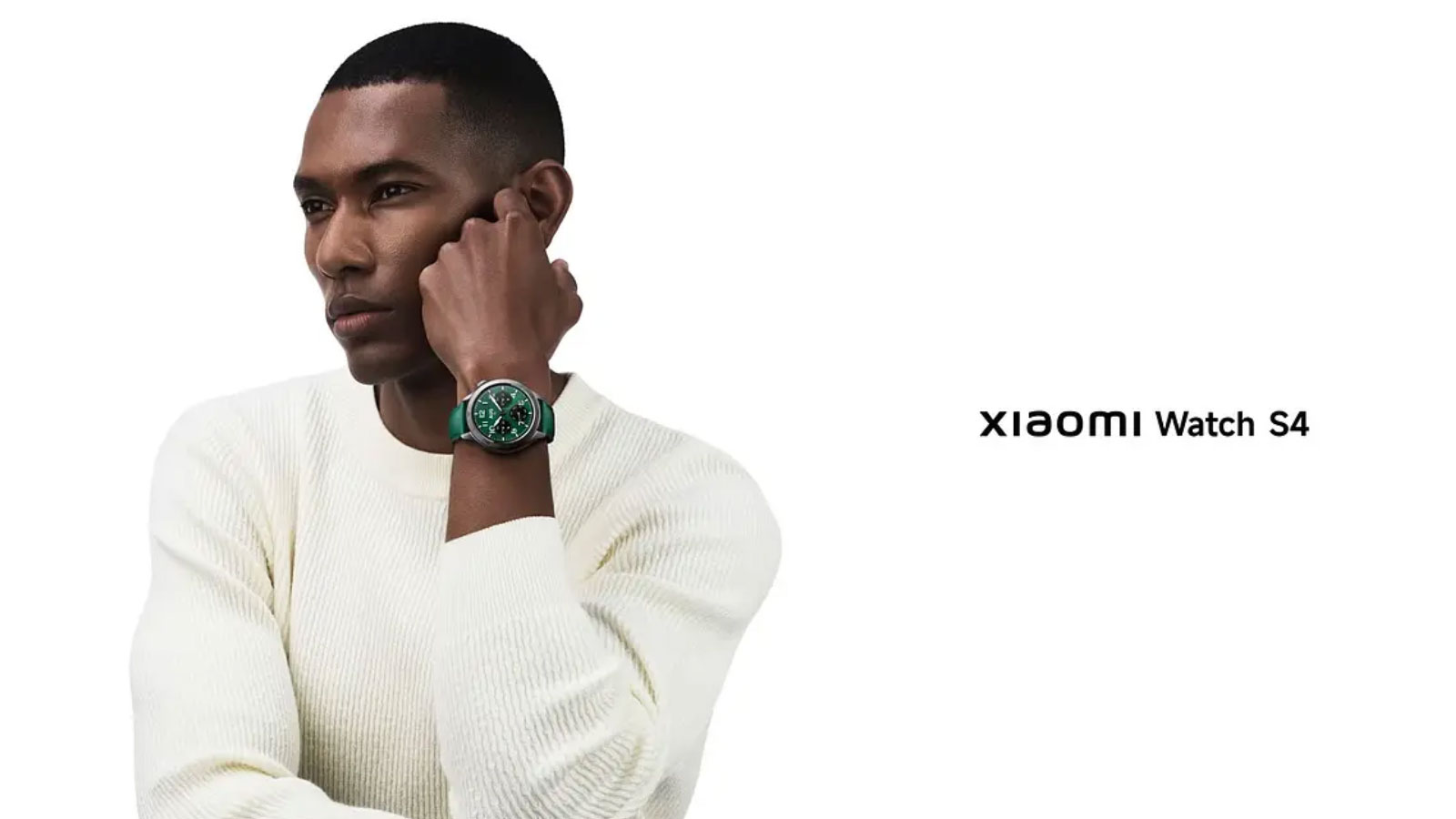
Xiaomi's sleep algorithm follows a classic "body-movement-first" approach. According to official technical documentation, the algorithm determines sleep onset and wake times based on changes in accelerometer (ACC) sensor data: if ACC data shows minimal fluctuation over a period, the algorithm assumes you are falling asleep; if significant changes occur, it assumes you have woken up.
While this logic is straightforward, it has a fundamental flaw: when you are lying in bed using your phone, watching a movie, or reading quietly, your wrist remains largely still, resulting in negligible ACC data changes. Consequently, the algorithm may mistakenly conclude that you have "fallen asleep." Xiaomi's official FAQ explicitly acknowledges this issue: "In scenarios such as using a phone or watching a movie, minimal ACC data fluctuation can lead to false detection of sleep onset."
To address this, Xiaomi has introduced "High-Precision Monitoring," a mode where the algorithm incorporates PPG heart rate data to assist in its assessment. The latest Xiaomi Band 10 Pro features an upgraded "Sleep Algorithm 2.0," which reportedly improves sleep onset/wake detection accuracy by 11% and adds monitoring for sleep HRV (Heart Rate Variability) metrics. Additionally, Xiaomi has begun using phone screen status as a supplementary indicator—if your phone is actively in use, the watch is unlikely to classify you as asleep. This approach aligns with the strategy adopted by OPPO.
However, the underlying logic remains unchanged: the accelerometer serves as the primary determinant, while PPG data and phone status act as supplementary corrections. This means that in scenarios where the body is motionless but the mind is alert, Xiaomi still faces a higher risk of misclassification compared to the CPC-based approach.
2.3 Honor: Inheriting the CPC Legacy but Pivoting to Multi-Source Fusion Post-Spin-off
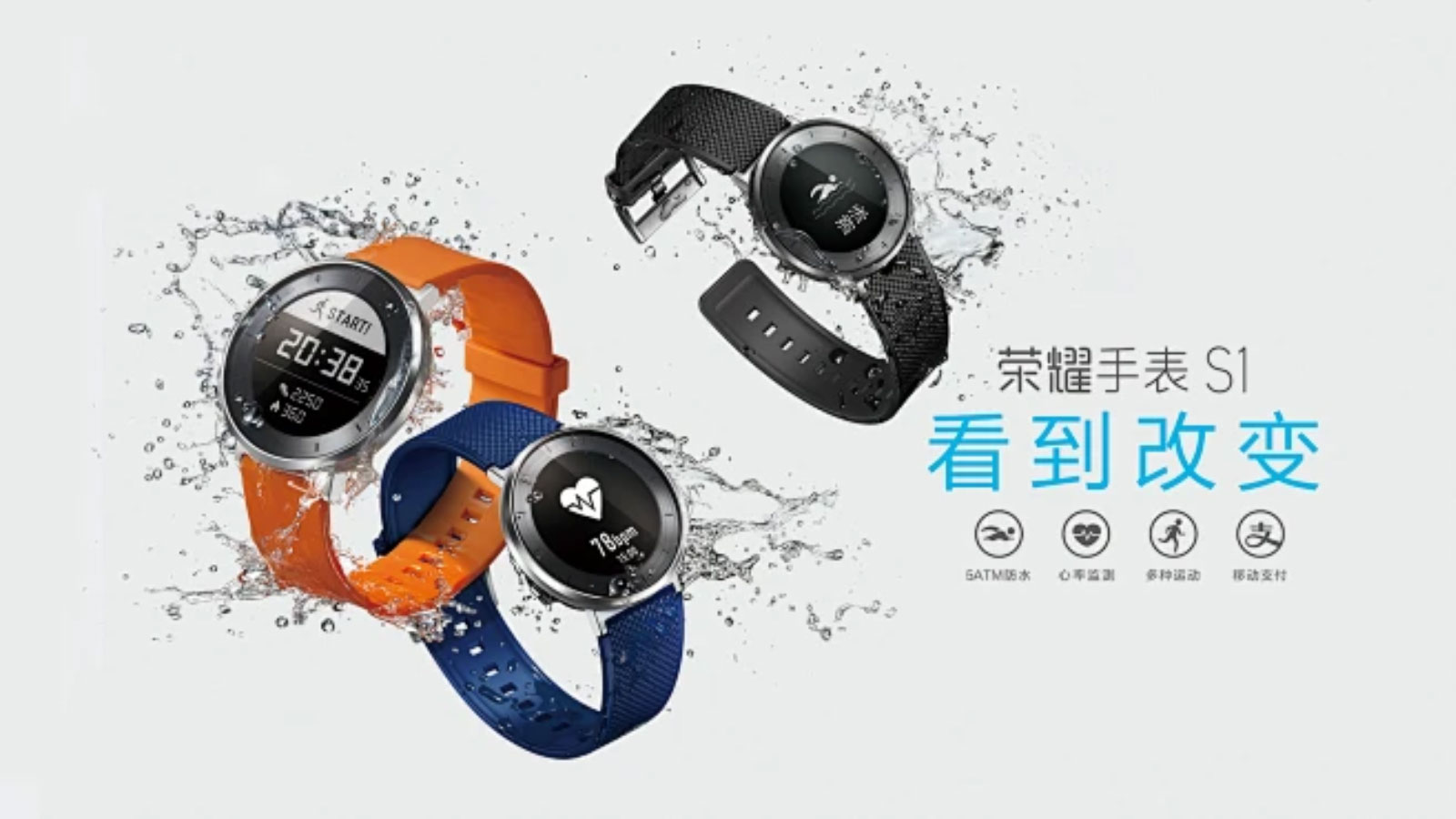
While part of the Huawei ecosystem, Honor's sleep technology was directly derived from Huawei TruSleep™. The Honor Watch S1, released in 2017, featured an algorithm based on the same principles as Harvard Medical School's CPC technology and passed certification testing by Harvard's CDB Center. The key difference was that while CPC originally relied on a single-lead ECG patch placed over the heart, the Honor S1 adapted this method for use with a wrist-based PPG sensor.
Following the spin-off, Honor significantly adjusted its algorithmic approach. Official documentation indicates a shift toward prioritizing "wrist movement data and heart rate" to determine sleep status. Certain high-end models (such as the Honor Watch 5 Ultra) have introduced cross-verification using multi-source data—combining accelerometer, PPG, and skin temperature readings—and utilize Honor's proprietary Alpha-Health algorithm to integrate metrics like heart rate, heart rate variability, sleep, and stress into a comprehensive health assessment.
This signifies a transition in Honor's sleep algorithms from a "pure CPC" model to a hybrid approach combining "CPC principles, body movement data, and multi-sensor fusion." The advantage lies in greater adaptability across various scenarios; the trade-off is increased algorithmic complexity, which may result in less predictable stability across different individuals and usage contexts compared to the pure CPC method.
2.4 Vivo: A clear CPC-based technical roadmap with optimizations for "non-intrusive monitoring."
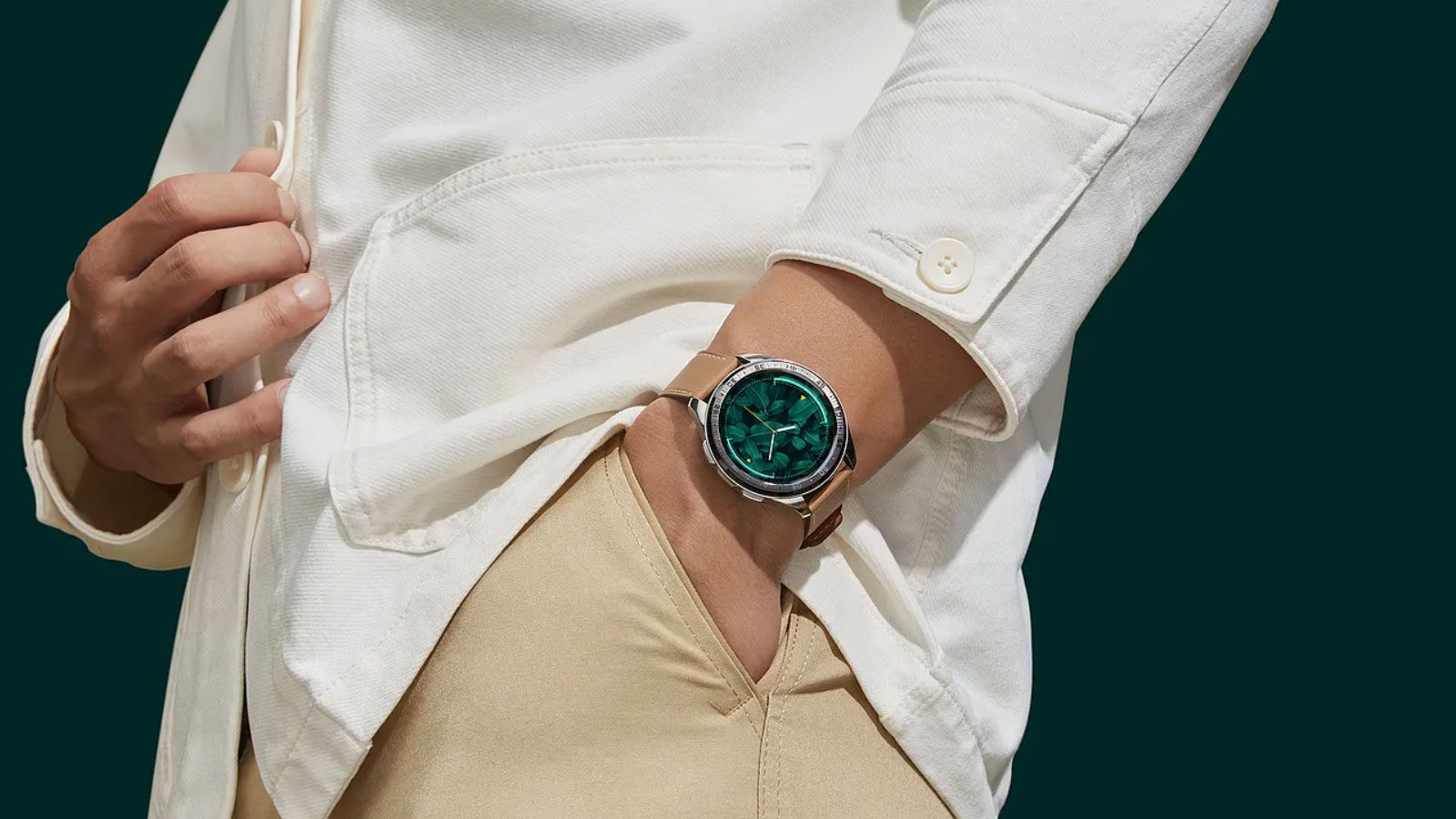
Among domestic manufacturers, vivo is the brand with a technical roadmap most explicitly aligned with Huawei's CPC approach. Its official marketing materials use the term "CPC (Cardiopulmonary Coupling) Sleep Staging" to describe the technology, which determines sleep stages by analyzing the coupling relationship between heart rate and respiration.
Vivo has implemented a noteworthy optimization regarding user experience: when the device detects that the user is about to fall asleep, it automatically turns off the harsh green PPG light source and switches to infrared light for non-intrusive heart rate monitoring, thereby minimizing light disturbance for users in light sleep. This design approach is relatively rare among domestic brands and reflects a product philosophy that "monitoring should not interfere with sleep itself."
However, vivo's CPC algorithm has a distinct weakness in identifying Rapid Eye Movement (REM) sleep. User feedback indicates significant inaccuracies in REM sleep tracking on the vivo Watch 3, with the duration often being overestimated. This stems from the inherent difficulty CPC technology faces in assessing cardiopulmonary coupling during REM sleep; the coupling patterns during this stage are simply not as distinct as those found in deep or light sleep.
2.5 OPPO: Advancing "Snoring Screening" through Multimodal Fusion and Smartphone Synergy
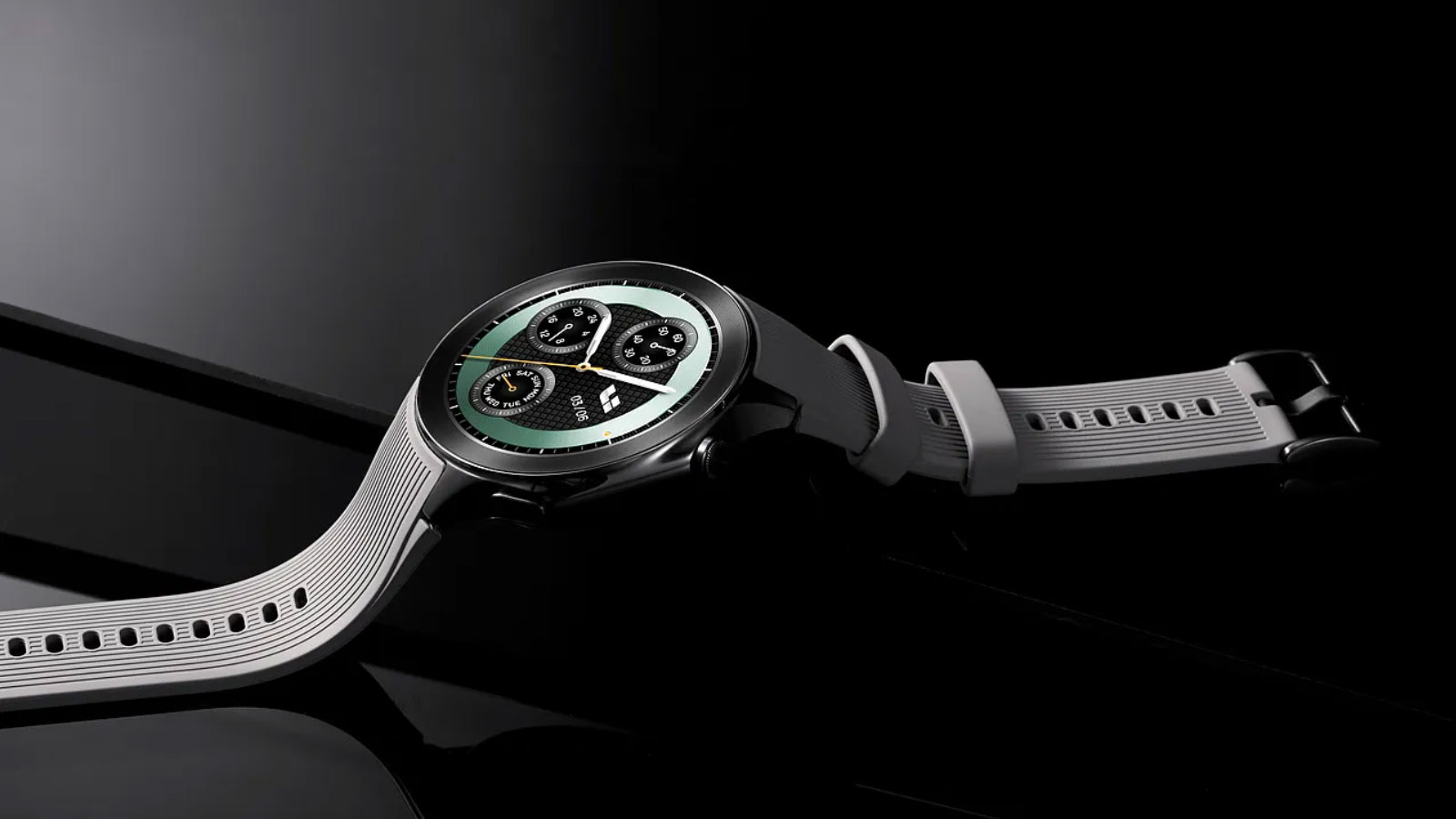
Among domestic brands, OPPO employs the most multifaceted approach to sleep algorithms. Its core strategy relies on "smartphone-watch synergy": the algorithm not only utilizes body movement and physiological data from the watch but also incorporates the smartphone's screen status to determine whether the user is truly asleep. If the smartphone is still undergoing active interaction, the watch will not classify the user as being asleep. While this mirrors the logic behind Xiaomi's latest smartphone-status-assisted monitoring, OPPO implemented this at the system level much earlier.
OPPO has also invested heavily in algorithm training, conducting extensive sleep tests at its health laboratory to refine its models. Notably, OPPO has made tangible progress in sleep apnea screening. The OPPO Watch Sleep Analyzer employs machine learning models to analyze physiological signals—such as snoring audio recordings, blood oxygen levels, and breathing patterns—to estimate the Respiratory Event Index (REI) and assess the risk of obstructive sleep apnea. The sleep apnea screening software on the OPPO Watch X3 has received Class II medical device certification in China, demonstrating a sensitivity of 92.3% and a specificity of 91.9% for detecting moderate-to-severe risk.
Regarding basic sleep staging, OPPO has released limited data on its algorithms, and user feedback has been mixed. Some users have reported failures to detect sleep in specific scenarios (such as short naps on airplanes), suggesting that the algorithm's generalization capabilities in atypical situations still have room for improvement.
III. In-depth Analysis of International Brands' Technical Approaches
3.1 Apple: The "Strictest" Motion-Based Tracker, Boasting the Highest Kappa Coefficient Among Watches
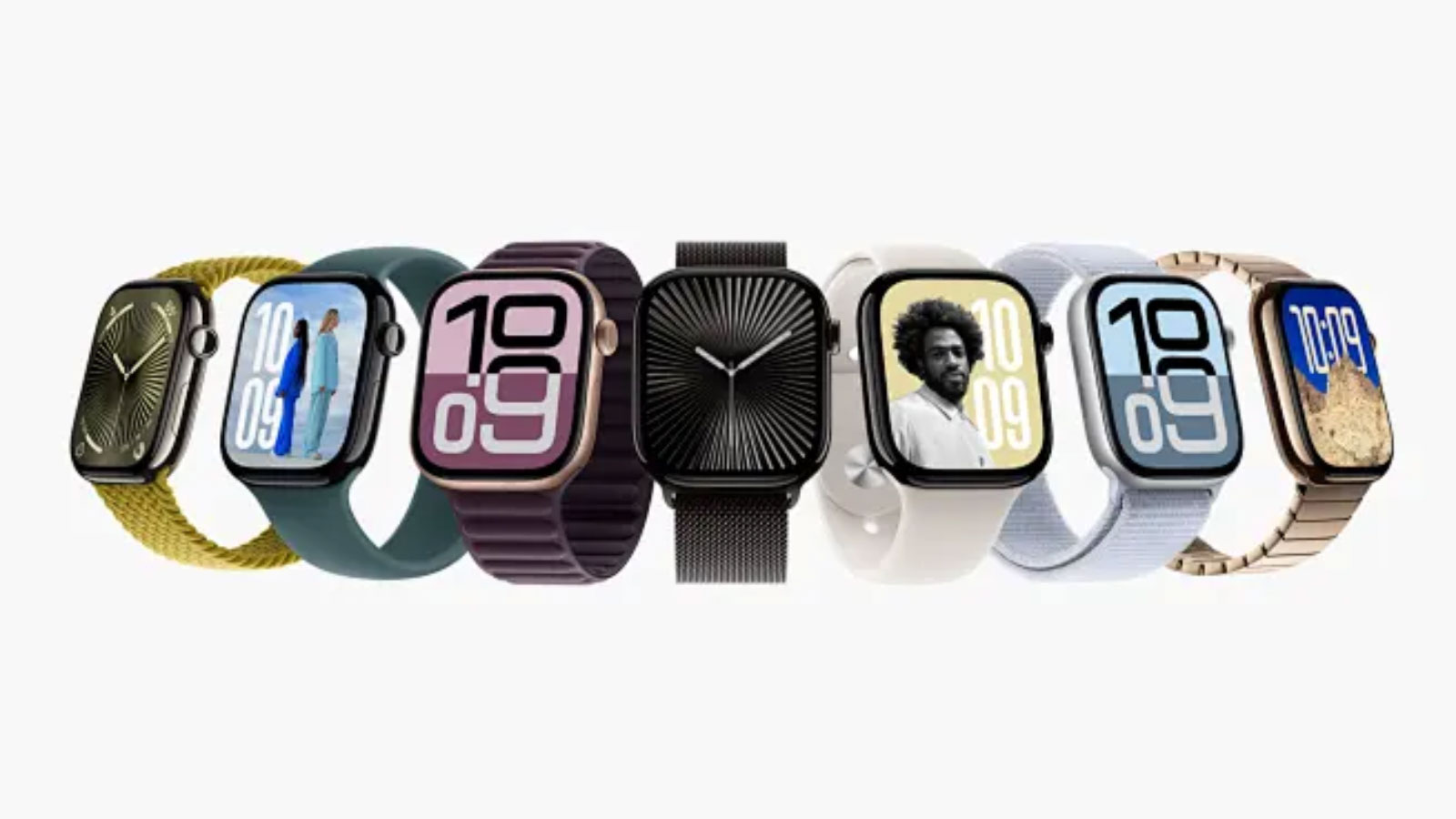
The core of Apple's sleep monitoring algorithm relies on accelerometer signals. Contrary to common belief, the Apple Watch utilizes raw, high-frequency accelerometer data directly, rather than the low-resolution data typically processed by step-counting algorithms. This allows the system to preserve subtle information—such as minute chest movements caused by breathing—enabling the algorithm to extract respiration-related features from these fine-grained motion patterns.
Apple's algorithm was trained using laboratory-based PSG and home-based EEG data as ground truth, with human experts annotating sleep stages for every 30-second data segment. The algorithm classifies sleep in 30-second epochs, outputting one of four states: Awake, Core Sleep, Deep Sleep, or REM (Rapid Eye Movement) sleep.
A comparative study of six watches published in 2025 revealed that the Apple Watch Series 8 achieved a Cohen's kappa coefficient of 0.53—the highest among the six devices tested (compared to 0.42 for the Fitbit Sense and an even lower score for the Whoop 4.0). This indicates that its agreement with PSG falls at the upper end of the "moderate" range for wrist-worn devices. However, the study also identified a common weakness across all tested watches: the identification of light sleep. The Apple Watch underestimated light sleep by approximately 73.8 minutes while overestimating REM sleep by about 30.3 minutes.
In other words, while Apple's algorithm performs well in the binary classification of "sleep vs. wake," it—like all other watches—struggles to accurately distinguish between light sleep and REM sleep during detailed sleep staging.
3.2 Samsung: Leading in Sleep Apnea Screening, Though Sleep Stage Accuracy Is Average
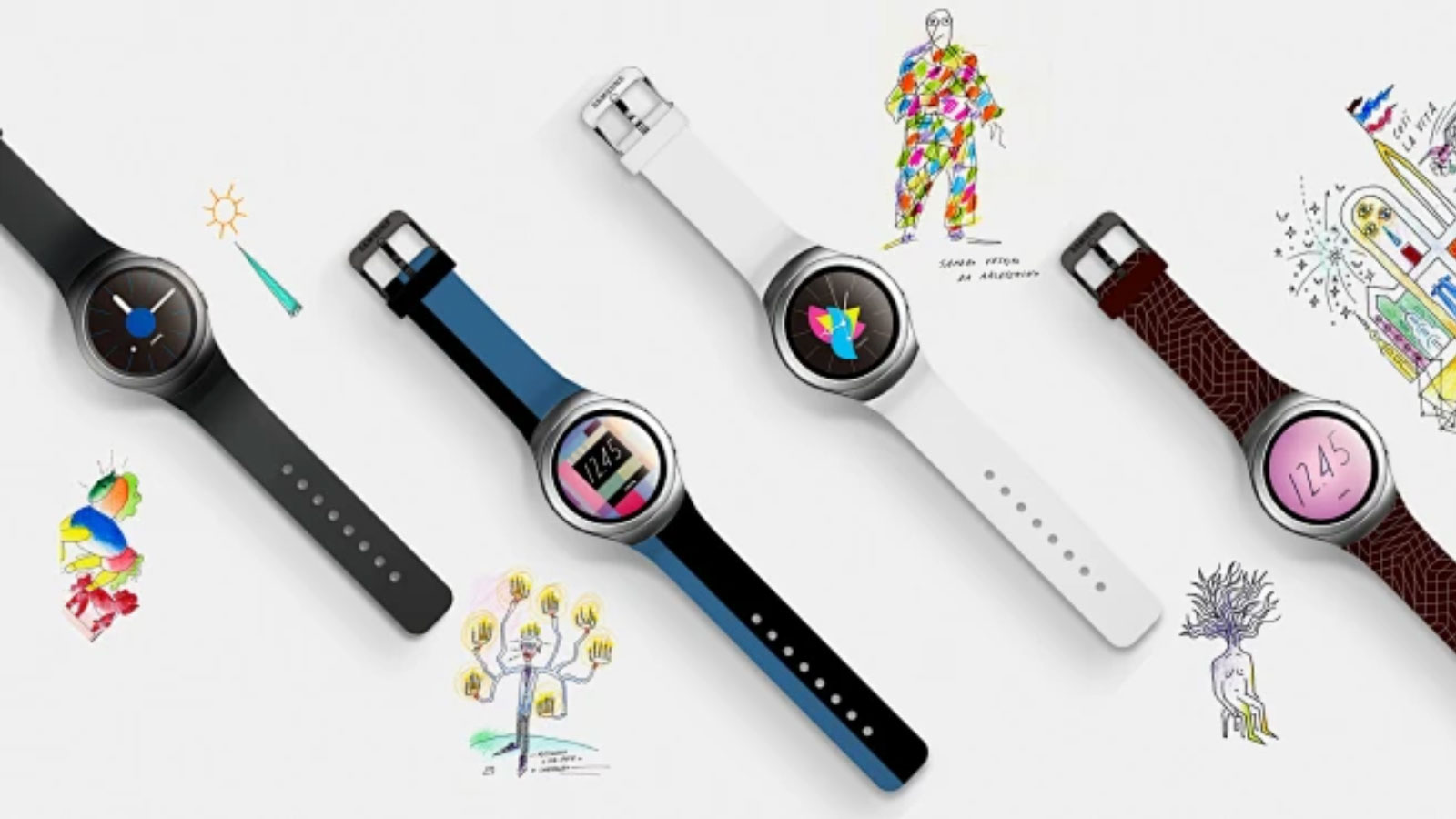
The overall accuracy of sleep stage tracking on Samsung Galaxy Watches is rated as "moderate," with an accuracy rate of approximately 65% for the four-stage classification. However, Samsung leads the pack when it comes to sleep apnea screening.
The obstructive sleep apnea (OSA) detection feature on Galaxy Watches has received De Novo authorization from the US FDA, enabling it to detect signs of moderate to severe OSA. By wearing the watch for at least four hours a night over two nights, users aged 22 and older can have the system assess whether there are indications of moderate to severe OSA. Samsung has also partnered with Stanford Medicine to further refine this feature using AI.
It is important to note, however, that screening is not the same as a clinical diagnosis. The FDA authorization covers an "over-the-counter device for risk assessment"; if the screening indicates a high risk, a clinical polysomnography (PSG) test at a medical facility is still required for a definitive diagnosis.
3.3 Whoop: Highly Accurate Heart Rate Monitoring, Though Sleep Staging Is Still Catching Up
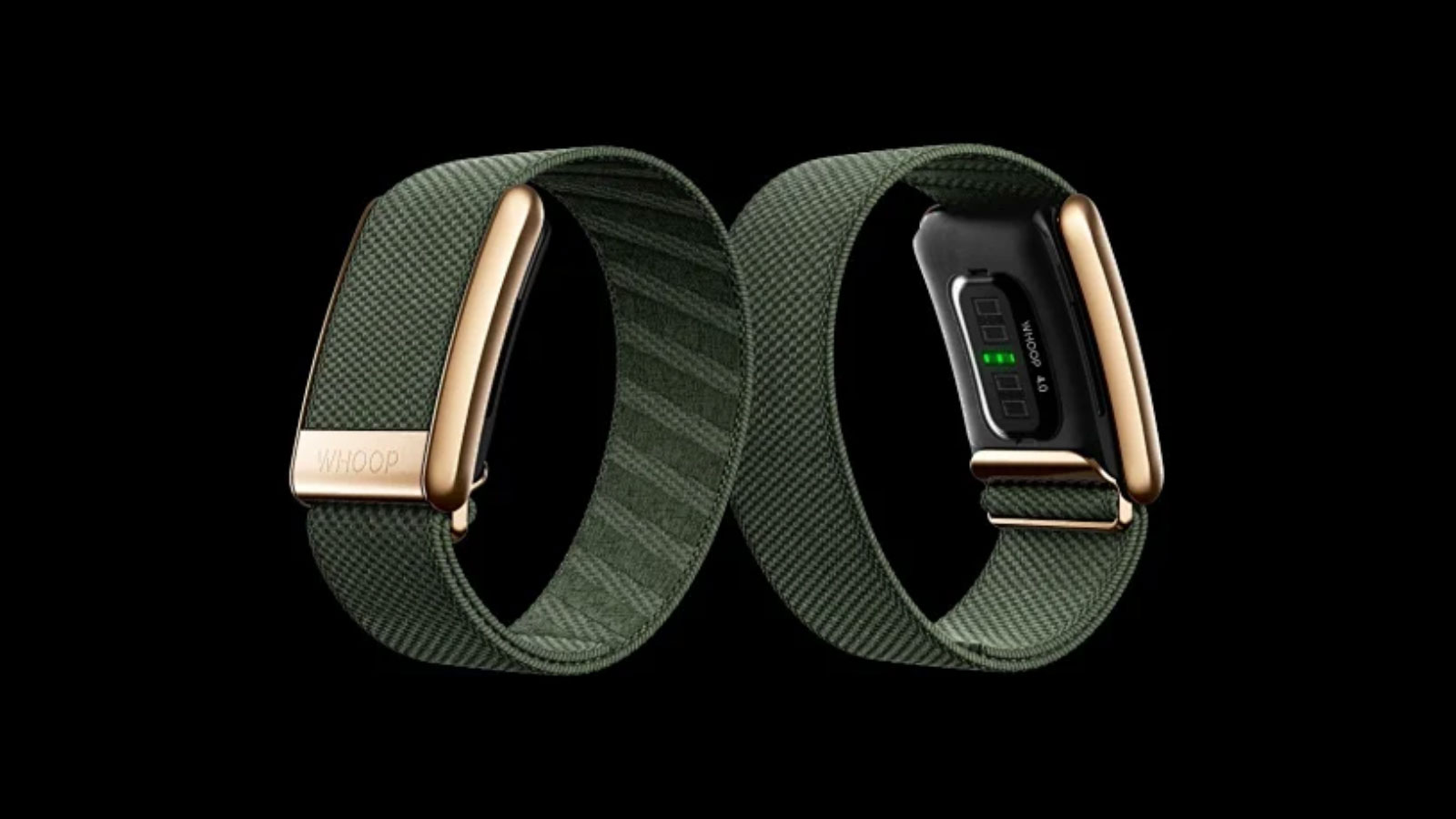
Whoop's core strength lies in the precision of its heart rate monitoring. A study by Central Queensland University found that Whoop achieved 99.7% accuracy for heart rate and 99% accuracy for heart rate variability (HRV) during sleep—the highest among all wearable devices tested. This indicates that the quality of the raw physiological signals captured by Whoop is top-tier for consumer-grade devices.
However, Whoop continues to refine the accuracy of its sleep staging. An algorithm update in February 2025 improved sleep staging accuracy by 7% (specifically regarding the differentiation between light sleep, deep sleep, REM, and wakefulness). Whoop operates on a subscription model, making it a suitable choice for users who do not mind paying a recurring fee and who prioritize the "Recovery Score"—driven by heart rate variability—over simple sleep staging data.
3.4 Garmin: The Armband-Style Sleep Monitor as a Key Differentiator
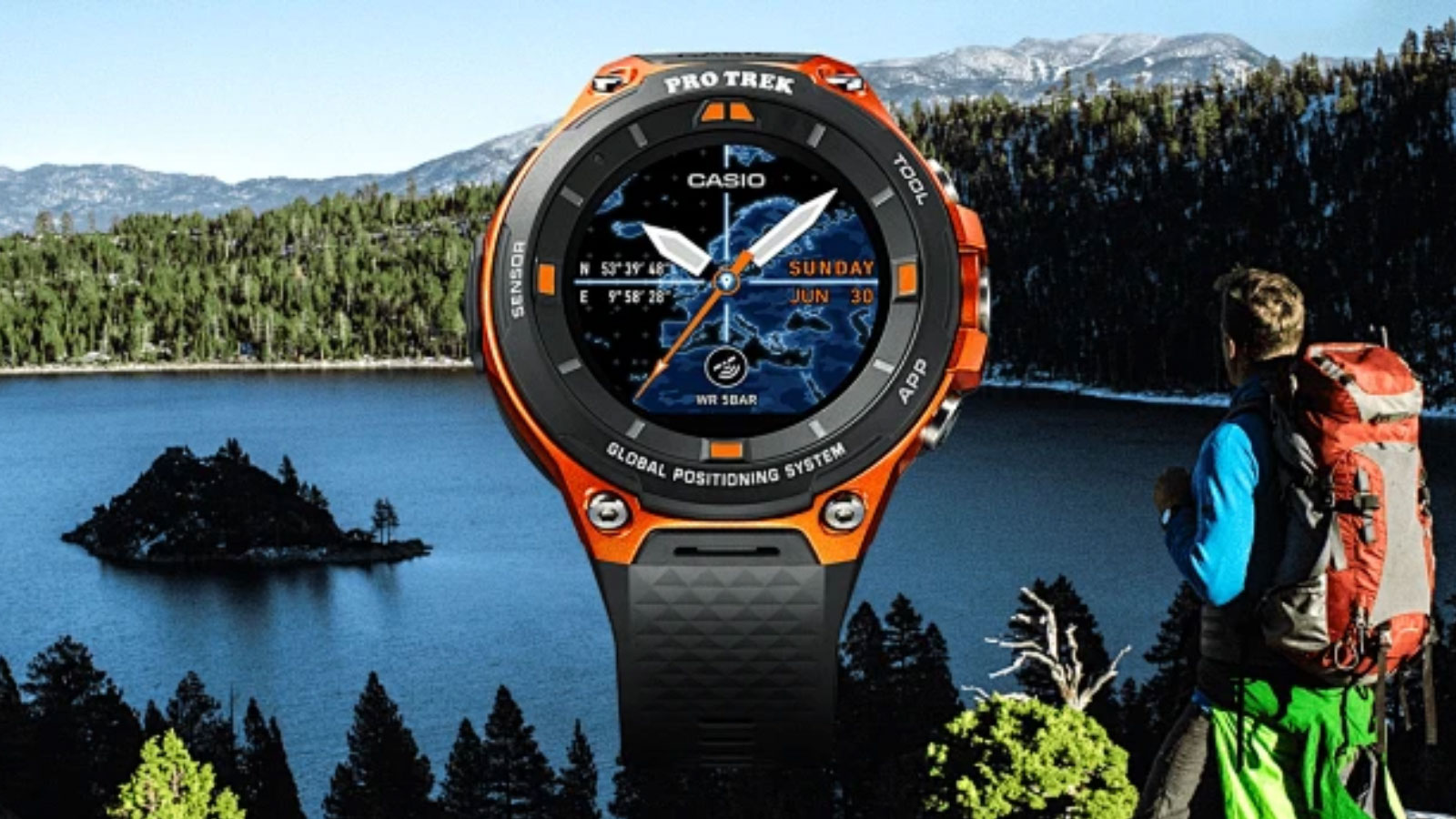
Garmin watches themselves demonstrate a sleep-staging accuracy of 69.7% (based on real-world data), with a sensitivity of 95.8%, a specificity of 73.4%, and a kappa value of 0.54—figures that place them in the upper-middle tier among smartwatches.
Garmin's true differentiator lies in its Index Sleep Monitor, a screenless, armband-style sleep tracker. Worn on the upper arm—closer to the torso than the wrist—it achieves a higher signal-to-noise ratio for PPG signals. Reviews highlight its "exceptional sleep-tracking accuracy," making it an ideal choice for users who already own a Garmin watch but prefer not to wear it while sleeping. Furthermore, recent patents reveal that Garmin has introduced a dual-verification mechanism for snoring detection; instead of relying solely on microphone-captured audio, the system simultaneously utilizes data from the optical heart rate sensor to validate snoring events via physiological signals, thereby preventing sounds such as tossing and turning or mattress friction from being misidentified as snoring.
3.5 Oura Ring: The Most Extensively Researched Consumer-Grade Sleep Tracker
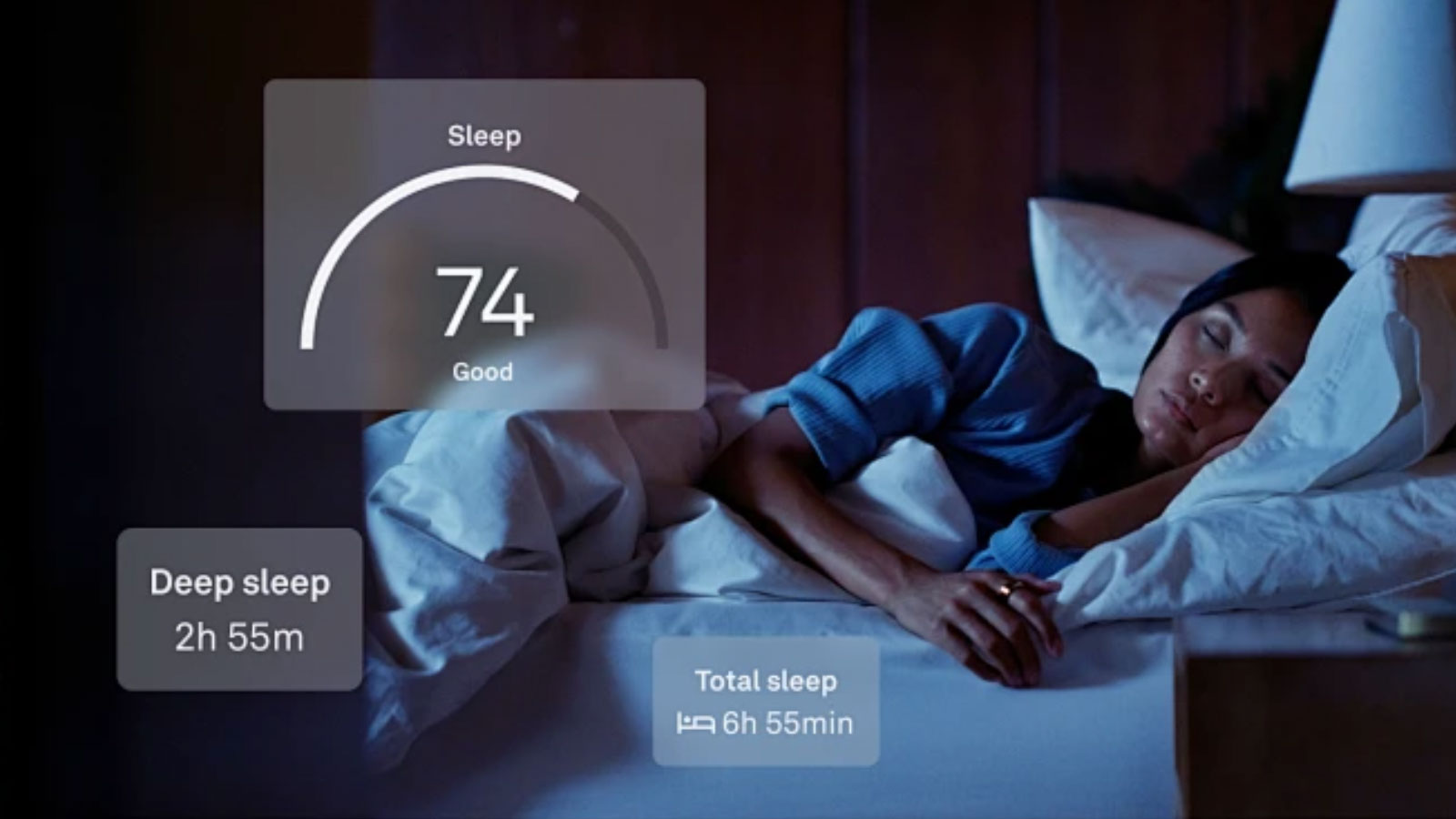
Oura Ring stands out as the most thoroughly researched brand in the smart ring market. Its latest sleep-staging algorithm achieves 79% agreement with polysomnography (PSG) across four sleep stages and exceeds 90% agreement for binary sleep/wake classification. A study conducted at Brigham and Women's Hospital found that Oura Ring outperformed the Apple Watch by 5% and Fitbit by 10% in four-stage classification accuracy; notably, its sensitivity for detecting deep sleep reached 79.5%, far surpassing the Apple Watch's 50.5%.
Oura's algorithmic advantage stems from superior data quality: the signal-to-noise ratio of PPG signals from the finger is significantly higher than that from the wrist, and the ring is less prone to shifting during sleep, ensuring signal consistency throughout the night. Furthermore, Oura trained its algorithms using large datasets encompassing diverse ages, skin tones, health conditions, and sleep disorders, resulting in robust generalizability across different populations.
However, Oura has also faced controversy. A 2025 study published in Scientific Reports reported a four-stage agreement rate of only 53%, sparking a class-action lawsuit. Oura responded by pointing out that the study failed to adhere to its proper fitting guidelines—using only size 8 and size 12 rings—which rendered data from nearly one-third of the participants unusable. This controversy highlights a crucial point: the accuracy of sleep monitoring depends heavily on the quality of the fit; no matter how advanced the algorithm is, it is ineffective if the signal acquisition is flawed.
IV. Translating Technical Jargon into Plain Language
Having discussed various algorithmic terms, let's summarize the fundamental differences between these technical approaches in the simplest possible terms.
Movement-based approach (Xiaomi, Apple)
Like someone judging whether you're asleep simply by watching whether you move. If you stay still, it assumes you're asleep; if you toss and turn, it thinks you might be awake. This logic is straightforward but crude; the biggest issue is that if you lie perfectly still in bed while scrolling through your phone, it will mistakenly think you're asleep.
CPC approach (Huawei, vivo)
More like someone with knowledge of physiology, assessing sleep depth by listening for synchronization between your heartbeat and breathing. Heartbeat and breathing are highly synchronized during deep sleep, whereas synchronization decreases during light sleep. This logic better reflects the body's actual state, but the downside is that it tends to report "better-looking" sleep data—overestimating total sleep time and undercounting the number of times you wake up.
Multimodal fusion approach (OPPO, Honor, Samsung, Garmin)
Like a detective who doesn't rely on a single clue but instead makes a comprehensive judgment based on body movement, heart rate, phone status, snoring, and even skin temperature. Theoretically the most comprehensive method, but the more complex the algorithm, the harder it is to ensure consistent performance across different individuals.
Smart rings (Oura)
Essentially moves the sensors from the wrist to the finger. Blood vessels in the fingers are closer to the surface, providing stronger signals, and the ring is less likely to shift position during sleep. It’s like moving a microphone from a noisy outdoor setting to a quiet recording studio—the quality of the captured signal is inherently superior.
Sleep headbands (Dreem)
Uses brainwaves directly for assessment—akin to an "open-book exam." It is the consumer device solution that most closely resembles clinical Polysomnography (PSG), though the trade-offs are discomfort and a high price tag.
In summary, no consumer device can replace a clinical PSG. If they report low deep sleep, it doesn't necessarily mean you have a medical condition; if they give you a low score, it doesn't mean you didn't sleep well. Focus on trends rather than stressing over specific numbers, and consult a doctor if you experience symptoms.
Search
Previous
Next
Wearable Tech for Better Health: A Deep Dive into Health Monitoring Features in Smartwatches
Latest News
In-Depth Analysis of Sleep Monitoring Technology in Wearables: From Algorithmic Principles to Accuracy
Wearable Tech for Better Health: A Deep Dive into Health Monitoring Features in Smartwatches
The Future of Fleet Management: Benefits of Vehicle GPS Tracking Devices

Revolutionizing Safety: How Smart GPS Watches Are Changing Lives for Kids and Seniors
10 Common Issues with GPS Positioning Management Platforms Customized by Chinese Companies Overseas Clients
Does All GPS Tracker Needs Internet or SIM Card?
Why the real barrier is "long-term project experience" rather than isn't hardware in GPS industry?
User Manual of Non-Removable GPS Tracking Bracelet C05 (Huatenglobal)
How to Find a GPS Tracker on Your Car? Comprehensive Guide (Updated 2025)
4G Smart Watch Location Algorithm (GPS, LBS and WiFi)
Discussion on the implementation of Huatenglobal smart watch fall alarm from Apple Watch fall algorithm
My grandma seems to have Alzheimer's, can you recommend a bracelet or smartwatch with GPS positioning?