





 Landscape
Is that Smartwatch Health Monitoring Medical Grade? - Focus on Trends, Not Medical Grade Disease Diagnosis Criteria
Admin 2026-07-16 362
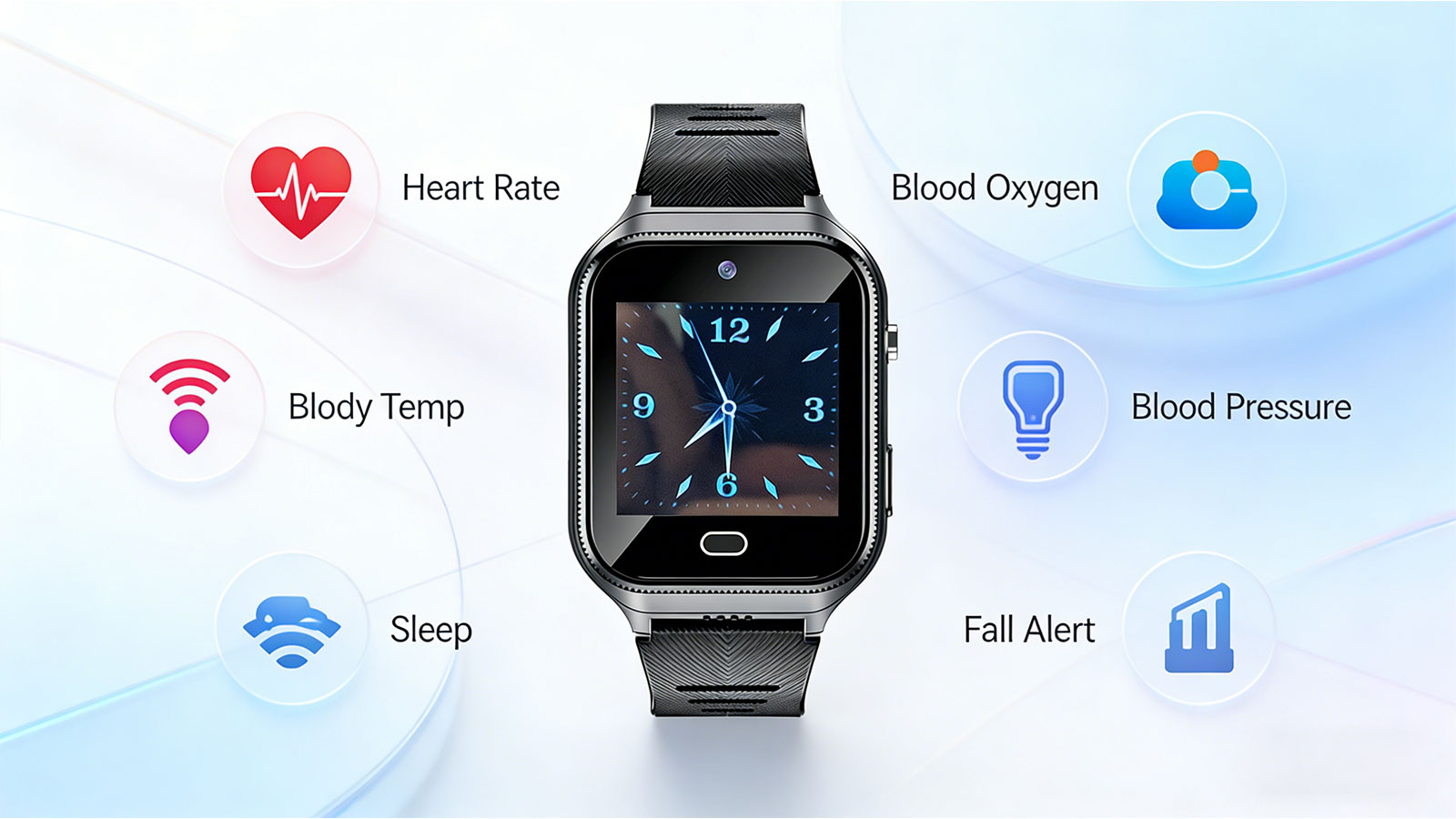
Heart rate, blood oxygen, blood pressure, body temperature, sleep monitoring, and fall detection—these features have become the core selling points of 4G smartwatches, and they are increasingly finding their way into scenarios involving corporate wellness management and personal daily health monitoring.
However, a critical question persists: Can this data be trusted? Is it reliable enough for medical diagnosis? Is the fall detection feature truly dependable?
As an engineer who works with sensor data and medical devices on a daily basis, I will—from the three perspectives of technical principles, real-world data, and regulatory standards—clearly delineate the boundary between consumer-grade convenience and medical-grade precision.
Ⅰ. Inherent Differences in Technical Principles
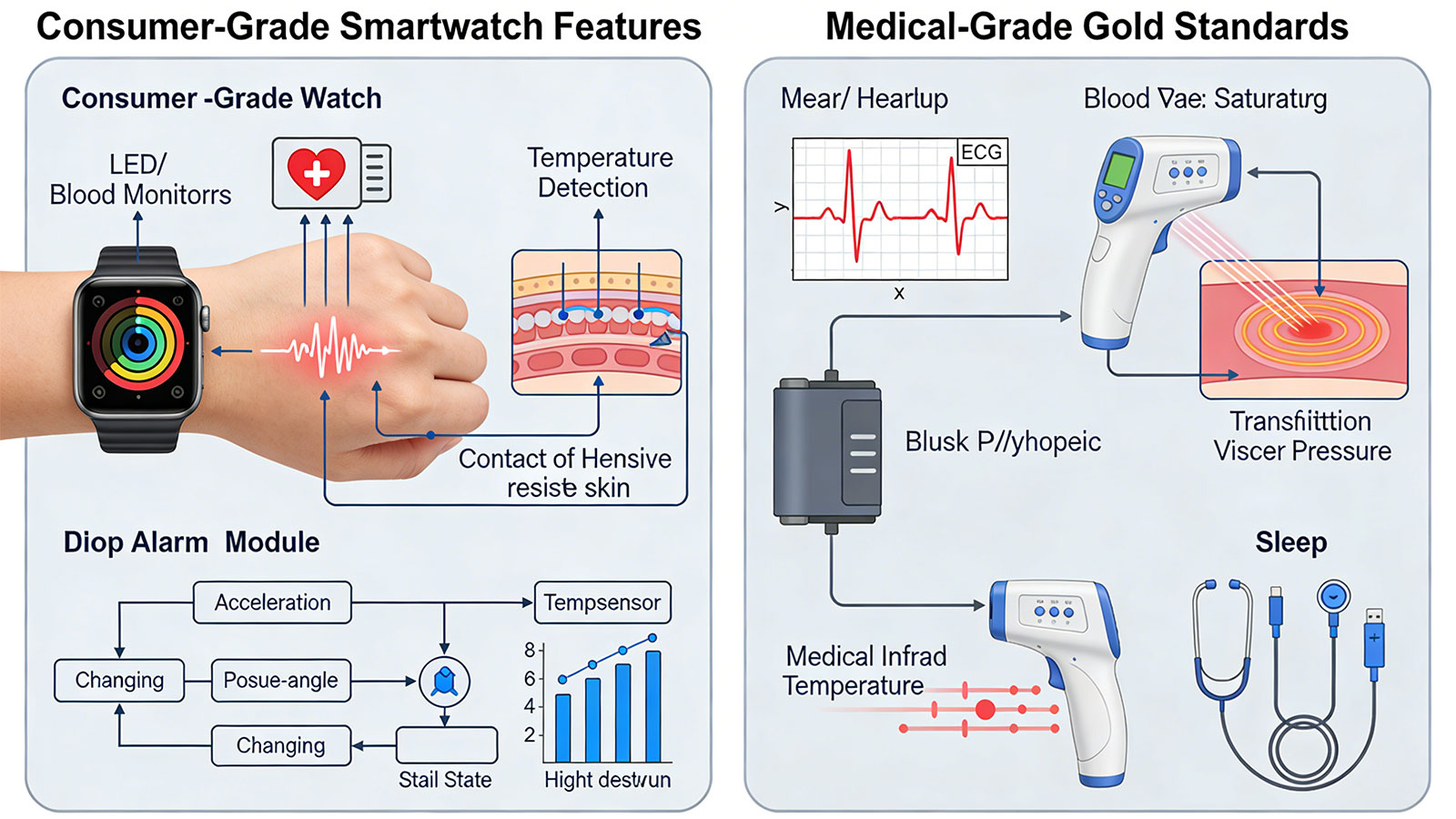
1.1 Core Technology for Consumer Devices: Photoplethysmography (PPG)
The heart rate, blood oxygen, and blood pressure monitoring functions found in the vast majority of smartwatches are all based on a single technology: photoplethysmography (PPG).
Simply put, the underlying principle is as follows: the device emits light of a specific wavelength via an LED to illuminate the skin, while a photodiode captures the variations in the intensity of the reflected light. With every heartbeat, the volume of blood flowing through the blood vessels changes, causing a corresponding fluctuation in the intensity of the reflected light. By analyzing these fluctuations, the device can calculate heart rate and heart rate variability, and even attempt to estimate blood pressure and blood oxygen levels.
The inherent limitations of this technology include:
Signal-to-Noise Ratio (SNR) Limits: During physical activity, the interference generated by muscle movement significantly outweighs the blood flow signal.
Individual Variability: Factors such as skin tone, hair density, and blood vessel depth can compromise signal quality.
Environmental Interference: Ambient light and temperature fluctuations can affect sensor readings.
Placement: The wrist is not the optimal location for measuring blood flow (fingers and earlobes are superior alternatives).
1.2 Technical Principles of Body Temperature Measurement
Body temperature measurement in smartwatches typically employs either contact-based thermistors or infrared thermopiles:
Contact-based Measurement: The sensor sits in close contact with the skin to measure epidermal temperature. However, skin temperature is significantly influenced by ambient temperature, perspiration, and the tightness of the device's fit, resulting in discrepancies relative to core body temperature.
Infrared Measurement: Some smartwatches feature built-in infrared sensors capable of measuring thermal radiation emitted by the skin on the wrist; however, this method is similarly susceptible to environmental influences.
Key Limitation: The difference between wrist skin temperature and core body temperature (measured orally, tympanically, or rectally) can fluctuate by as much as 1–3°C, depending on the specific environment and individual physiology. Consequently, the "body temperature" displayed on a smartwatch actually represents a "trend in wrist skin temperature" rather than core body temperature in a clinical or medical sense.
1.3 Technical Principles of Fall Detection Alarms
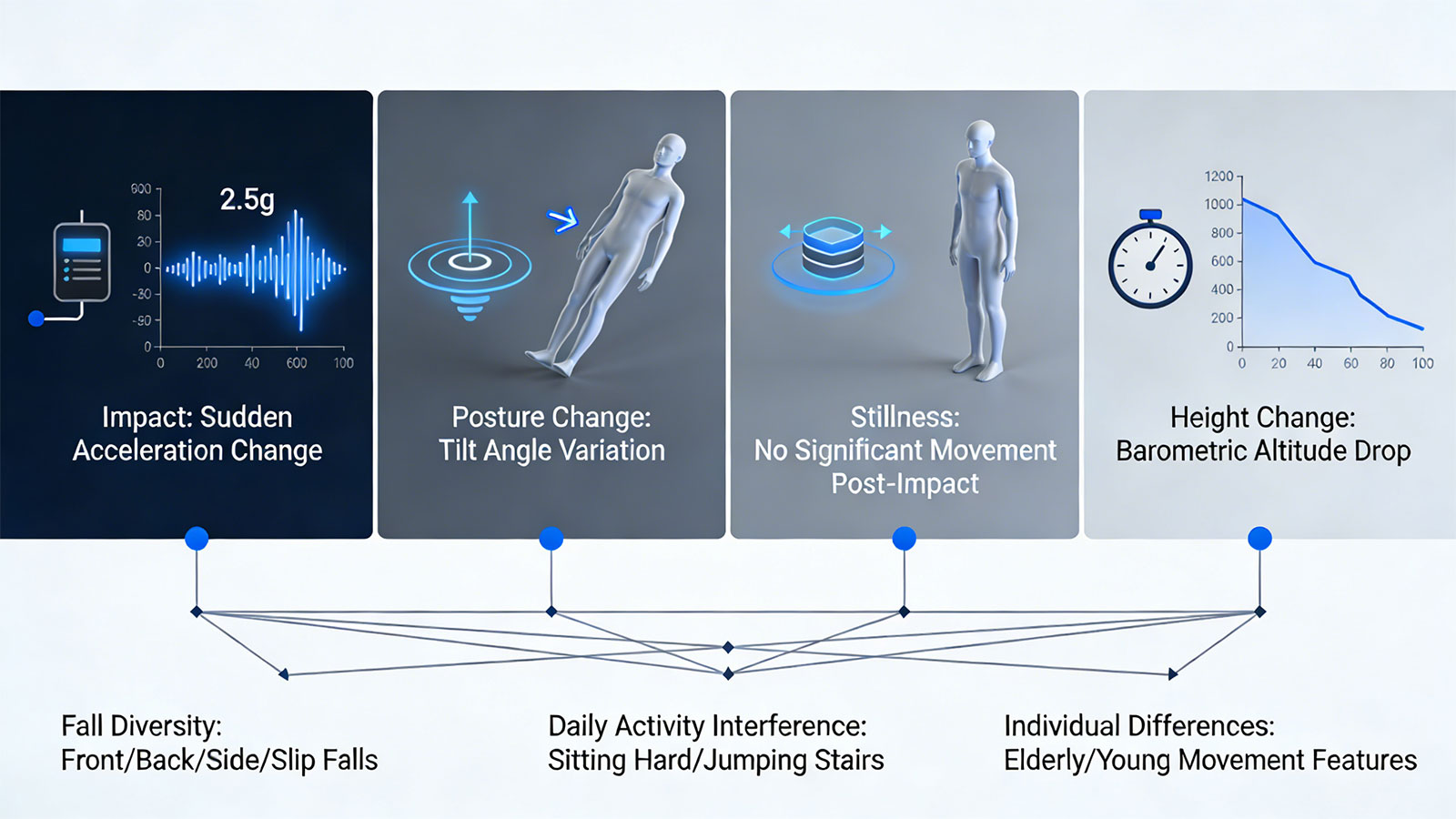
Fall detection is a critical function involving life safety, as well as one of the most complex algorithms. Typical fall detection requires the simultaneous fulfillment of multiple conditions.
| No. | Detection Phase | Sensor Data Characteristics | Algorithmic Assessment |
| 1 | Impact | Rapid change in acceleration within a short timeframe (impact) | Impact exceeding 2.5g detected |
| 2 | Posture Changes | Transition of the body from an upright to a horizontal position | Tilt angle change assessed via gyroscope |
| 3 | Stationary | Absence of significant movement for an extended period following impact | Potential loss of consciousness or inability to rise |
| 4 | Altitude Change | Barometer detects a decrease in altitude | Fall height confirmed |
Technical Challenges: The diversity of falls (forward falls, backward falls, lateral falls, slips), interference from daily activities (such as sitting abruptly on a sofa or jumping off a step), and individual differences (varying movement characteristics between the elderly and the young) can all lead to false positives or false negatives.
1.4 The "Gold Standard" for Medical-Grade Devices
In contrast, medical-grade devices employ a completely different measurement principle.
| No. | Parameters | Consumer-grade Technology | Medical-Grade Gold Standard |
| 1 | Heart Rate | Optical Photoplethysmography | Electrocardiogram (ECG) |
| 2 | Blood Oxygen Saturation | Reflectance Photoplethysmography | Transmissive Pulse Oximetry |
| 3 | Blood Pressure | Pulse Wave Transit Time (Inferred) | Cuff-based Oscillometry |
| 4 | Body Temperature | Skin Temperature Sensor | Medical Infrared Ear Thermometer / Electronic Thermometer |
| 5 | Fall Detection | Accelerometer + Gyroscope (Inferred) | Multi-Sensor System + Manual Verification |
| 6 | Sleep | Body Movement + Heart Rate Estimation | Polysomnography (PSG) |
An electrocardiogram directly measures the heart's electrical activity; a pulse oximeter measures the absorption rate of light passing through tissue; a blood pressure monitor directly measures the pressure against blood vessel walls; and a thermometer measures thermal radiation from the eardrum or oral cavity—these constitute direct measurements, whereas smartwatches rely predominantly on sensor-based indirect estimation.
Ⅱ. Real-World Test Data: How Wide Is the Gap?
In recent years, numerous independent studies have conducted validation tests on mainstream consumer-grade wearable devices; the results reveal the true distance between data that is "for reference only" and data that is "clinically usable."
2.1 Heart Rate Monitoring: Excellent at Rest, Variable During Exercise
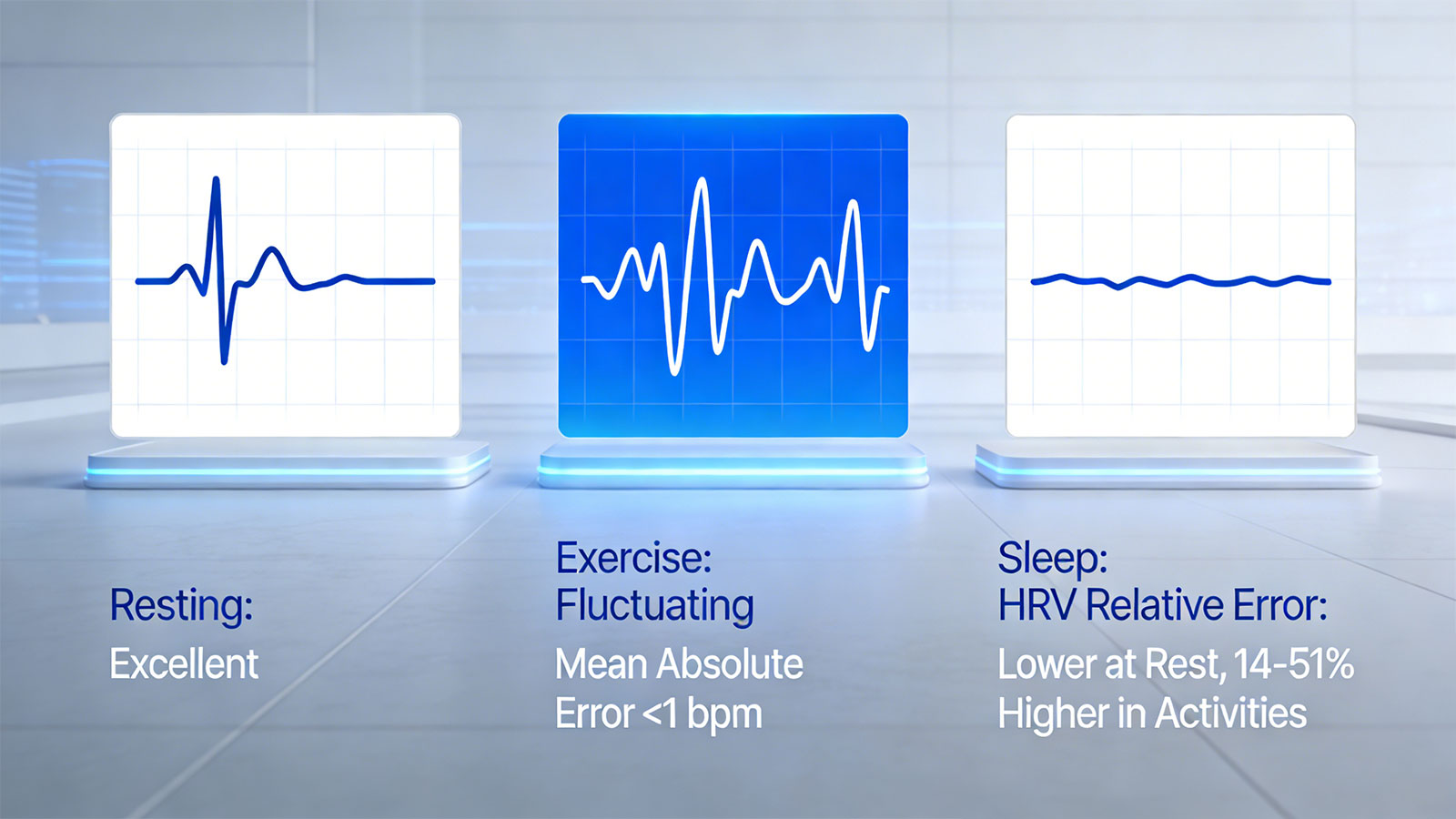
A 2024 validation study subjected 25 healthy volunteers to 10 days of daily monitoring, comparing the performance of photoplethysmography sensors against an ECG reference device.
2.1.1 The study found that
During sleep, the mean absolute error in heart rate measurement was less than 1 beat per minute.
The relative error in heart rate variability was low during resting states; however, across various types of physical activity, the error was 14–51% higher than that observed during resting states.
Another study, focusing on the Fitbit Charge 4 and testing six different types of physical activity, yielded even more revealing results.
| Activity Types | Absolute Percentage Error | Deviation |
| Running | 1.2% | +0.1 times/minute |
| Cycling | 3.1% | - |
| Orienteering | 5.8% | - |
| Badminton | 16.2% | -16.5 times/minute |
| Football | 17.5% | -16.5 times/minute |
2.1.2 Conclusion
For regular forms of exercise (running, cycling), consumer-grade devices perform well; however, for activities involving sudden, irregular arm movements (such as racket or ball sports), the margin of error increases sharply.
2.2 Blood Oxygen Saturation: Reliable under Specific Conditions
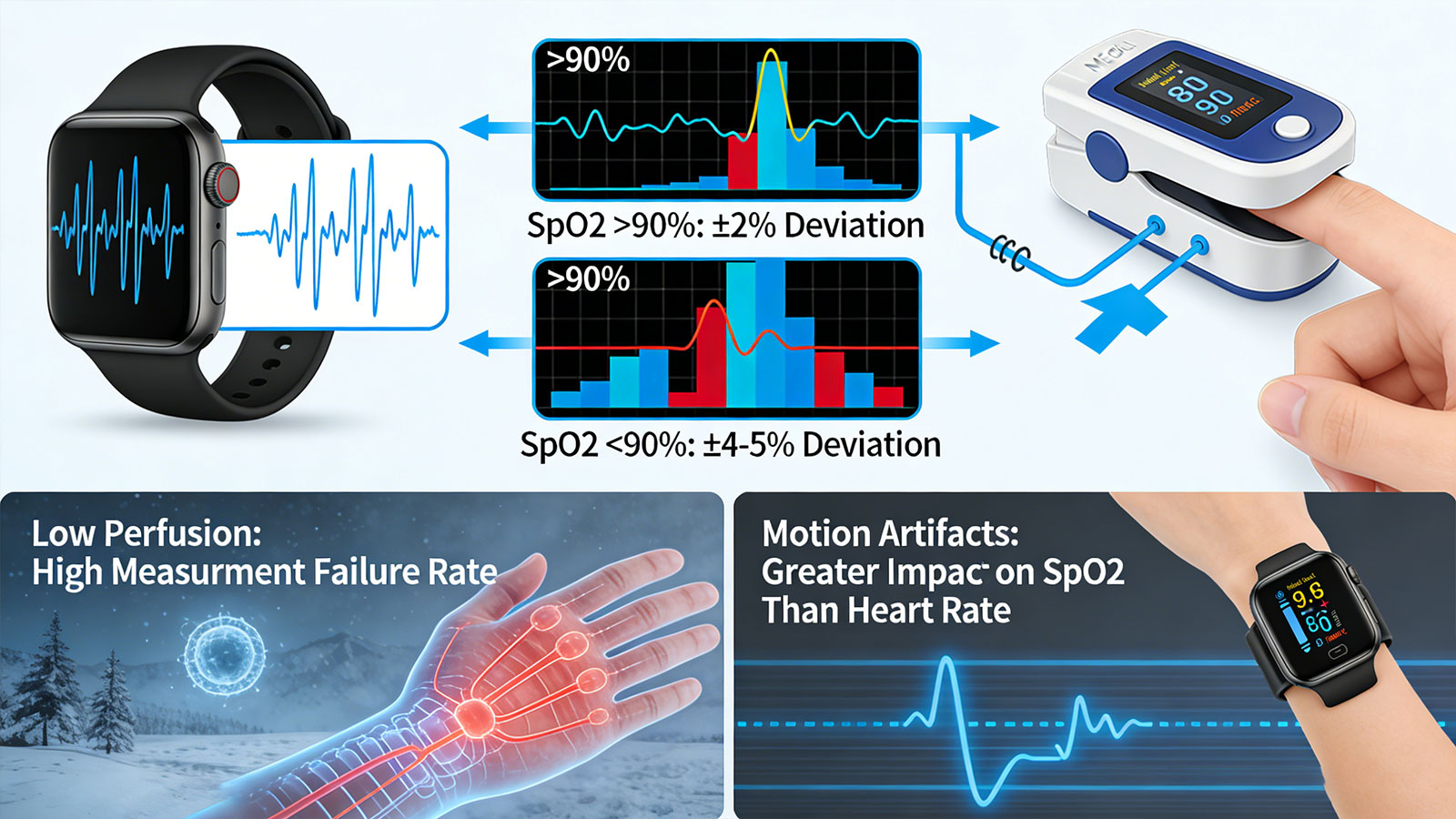
Blood oxygen saturation is a crucial indicator of respiratory function. Consumer-grade smartwatches utilize reflectance photoplethysmography (PPG), a method distinct from the transmittance-based principle employed by medical-grade finger-clip pulse oximeters.
2.2.1 Empirical Data
Within the normal range of blood oxygen saturation (>90%), the average deviation between consumer-grade smartwatches and medical-grade devices is approximately ±2%.
In cases of hypoxemia (<90%), the margin of error increases significantly, potentially reaching ±4–5%.
Under conditions of low perfusion (e.g., exposure to cold or poor blood circulation), the measurement failure rate rises substantially.
2.2.2 Key Limitation
Unlike finger-clip pulse oximeters, smartwatches cannot be secured with the same degree of stability; consequently, motion artifacts exert a more pronounced impact on blood oxygen measurements than they do on heart rate measurements.
2.3 Blood Pressure Monitoring: Nighttime Measurement is Challenge
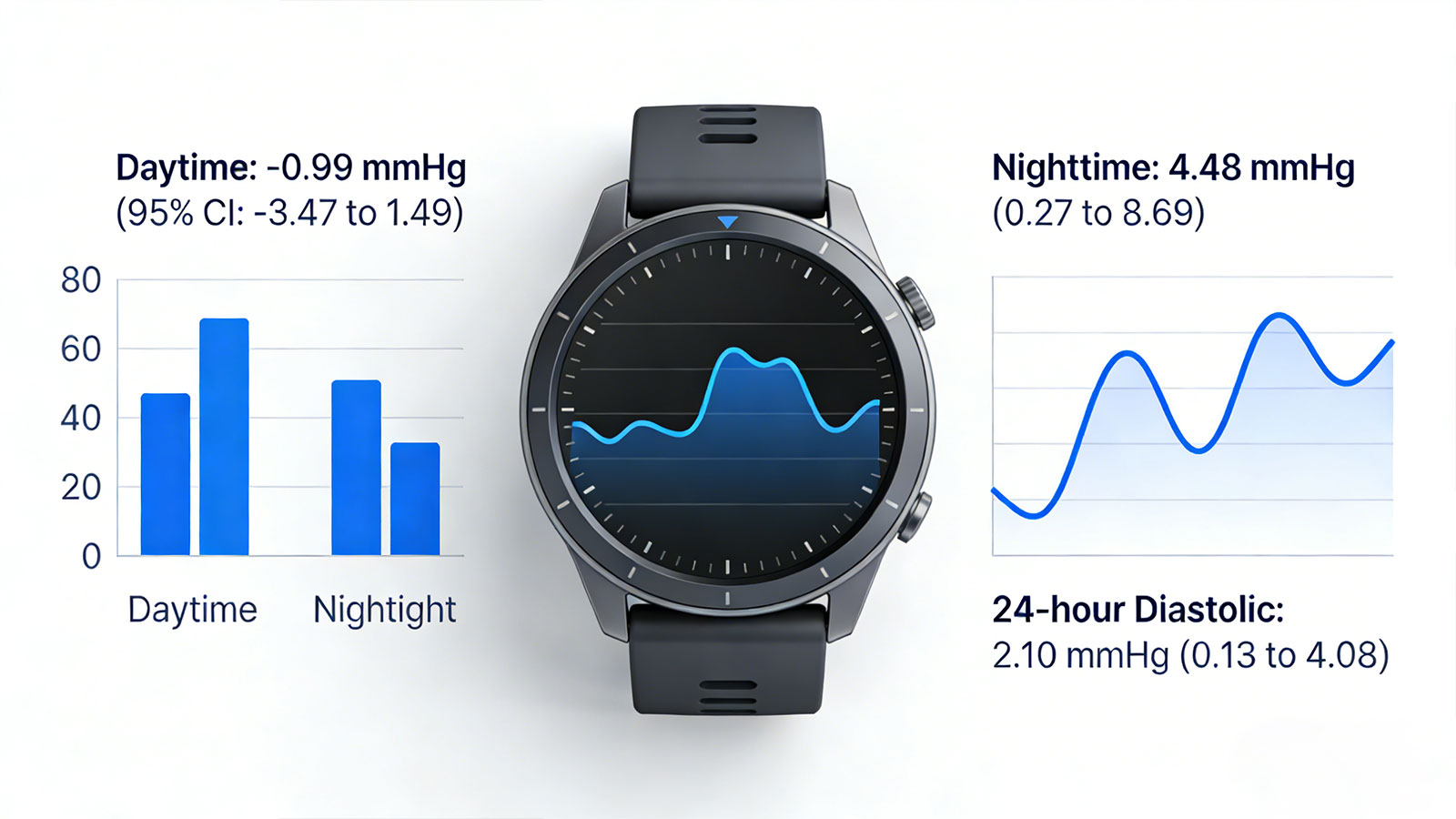
Blood pressure measurement is arguably the most scrutinized area among consumer-grade devices. A systematic review and meta-analysis published in 2025 provided a comprehensive assessment of the accuracy of cuffless wearable blood pressure devices.
Key Findings
Daytime Measurements: The mean difference in systolic blood pressure was -0.99 mmHg (95% confidence interval: -3.47 to 1.49), falling within the acceptable range.
Nighttime Measurements: The mean difference in systolic blood pressure was 4.48 mmHg (0.27 to 8.69), indicating a significant overestimation.
24-Hour Diastolic Blood Pressure: The mean difference was 2.10 mmHg (0.13 to 4.08), a statistically significant result.
A review by the American Heart Association also noted that blood pressure values measured by wearable devices do not always correspond closely with readings obtained via conventional cuffs. The current consensus is that cuffless blood pressure devices are not yet sufficiently reliable for nighttime monitoring—precisely when blood pressure serves as a critical indicator for cardiovascular risk stratification.
2.4 Body Temperature: Trends Are Useful, Absolute Values Are Questionable
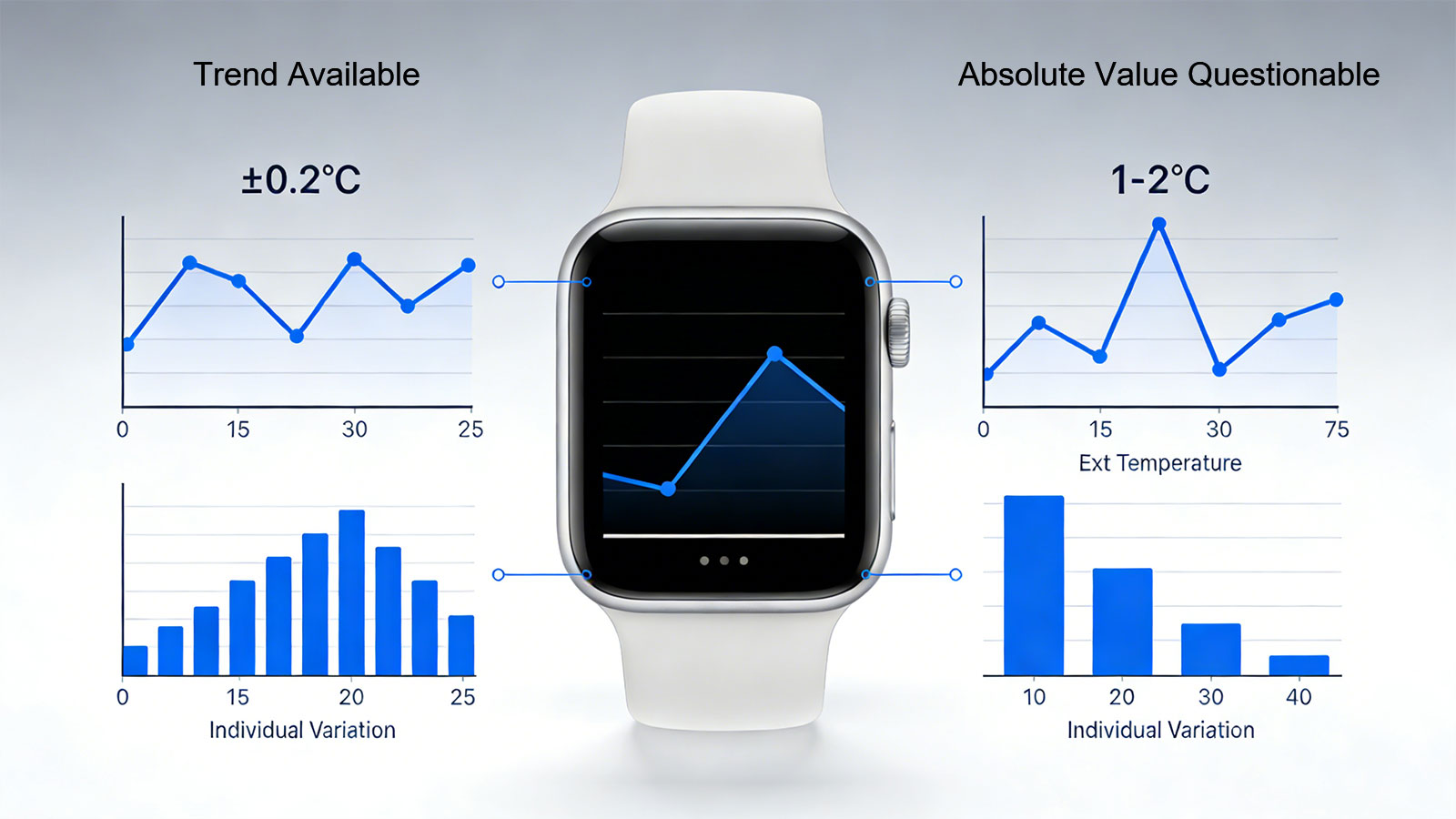
Currently, there is a lack of large-scale independent studies validating the accuracy of body temperature measurements taken by smartwatches; however, available engineering data indicates the following:
Stability Testing: In a constant-temperature environment, the deviation in continuous measurements can be maintained within ±0.2°C.
Dynamic Environment Testing: When moving between environments of differing temperatures, skin temperature changes much more rapidly than core body temperature, resulting in potential deviations of 1–2°C.
Individual Variability: The difference between skin temperature and core body temperature varies from person to person and fluctuates over time.
Conclusion
Body temperature data from smartwatches is suitable for monitoring individual temperature trends (e.g., whether the current reading is 0.5°C higher than usual) but should not be relied upon as an absolute measure of body temperature.
2.5 Fall Detection: Balancing Sensitivity and Specificity
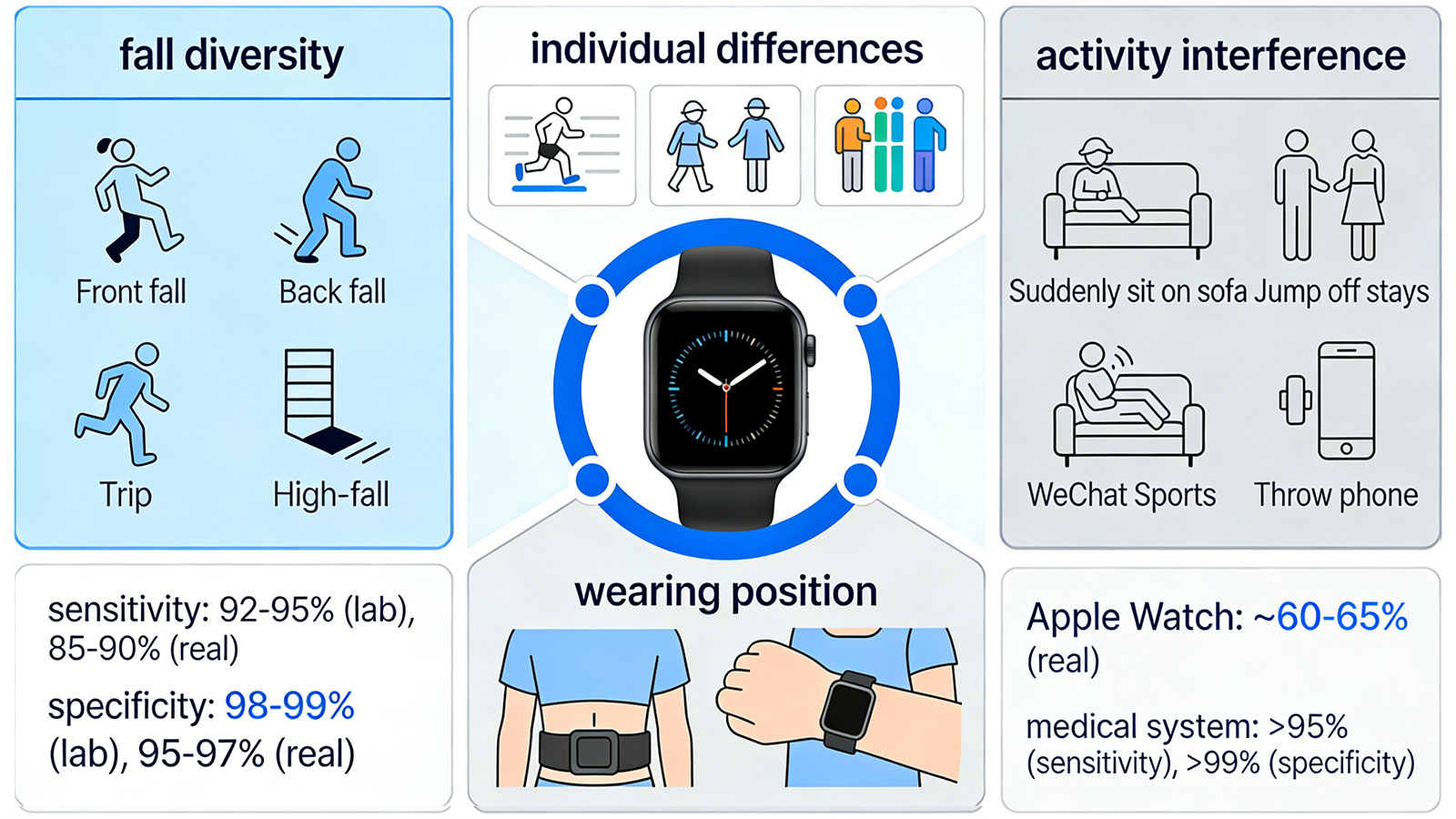
Fall detection is one of the most technically challenging safety features. Academic research indicates that...
| Metrics | Definition | Laboratory Test Values | Real-World Reference |
| Sensitivity | The proportion of actual falls that are detected. | 92-95% | 85-90% |
| Specificity | The proportion of non-fall events that are not falsely reported. | 98-99% | 95-97% |
2.5.1 Industry Comparison
According to publicly available data, the Apple Watch demonstrates a sensitivity of approximately 60–65% in real-world scenarios.
Medical-grade fall detection systems (utilizing multiple sensors combined with human verification) achieve a sensitivity of >95% and a specificity of >99%.
2.5.2 Why 100% Accuracy Is Not Achievable
Diversity of Falls: Falling forward, backward, or sideways; slipping; tripping; and falling from a height.
Interference from Daily Activities: Sitting down abruptly (e.g., onto a sofa), jumping off steps, engaging in vigorous exercise, or tossing an object (such as a mobile phone).
Individual Differences: Distinct movement characteristics among different age groups—specifically young adults, the elderly, and children.
Device Placement: Variations in data signatures depending on the device's location on the body—such as the wrist, waist, or chest.
Ⅲ. The Threshold for Medical Grade: Why Can't They Be Equated?
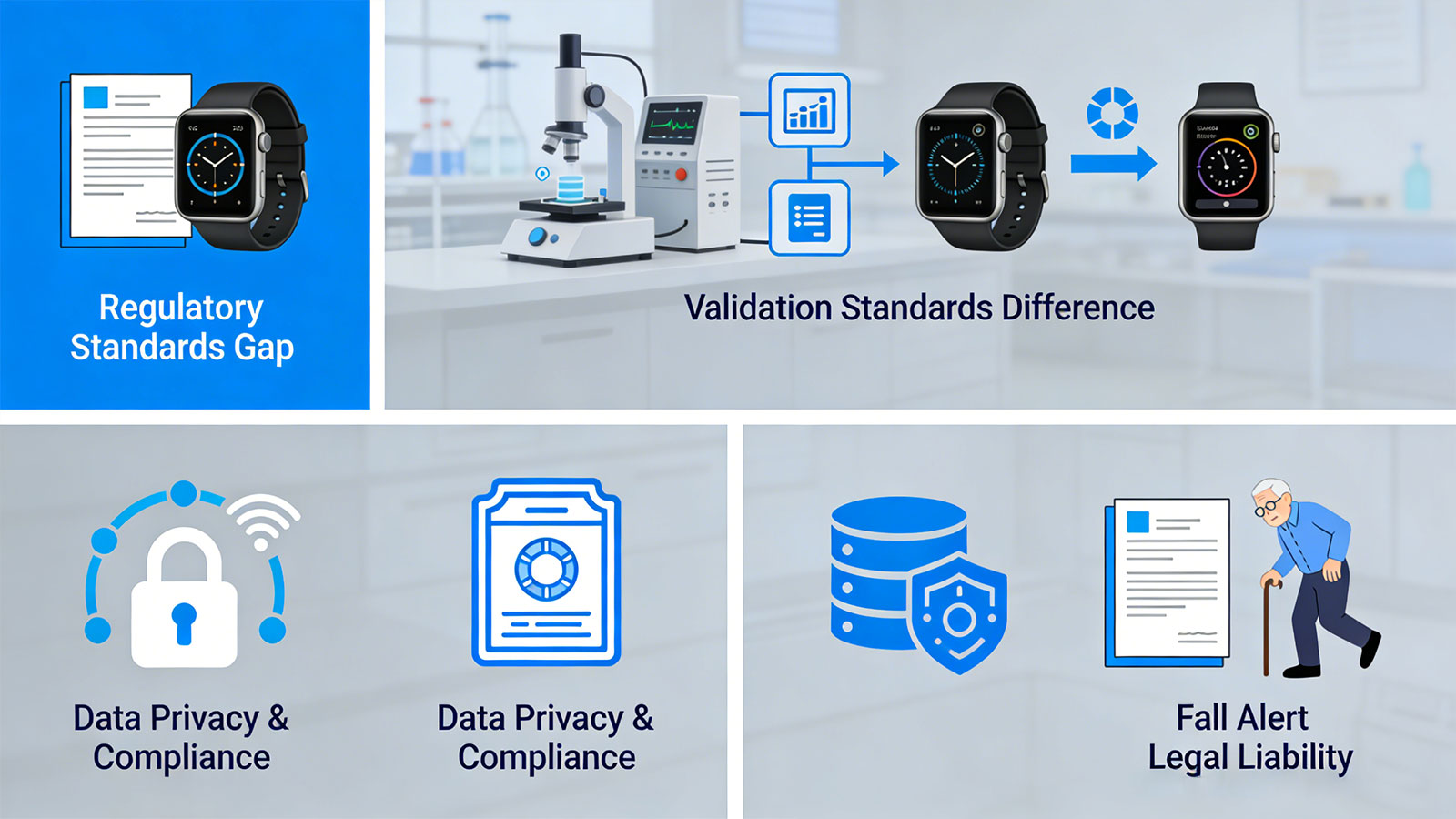
3.1 The Regulatory Divide
In the United States, if a device is intended for the "diagnosis, cure, mitigation, or prevention of disease," it is classified as a medical device and must undergo review by the FDA (U.S. Food and Drug Administration).
3.1.1 Medical-grade devices typically follow one of two pathways
1) FDA 510(k) Clearance: Demonstrates "substantial equivalence" to a legally marketed "predicate device." This is the pathway followed by most blood pressure monitors and pulse oximeters.
2) PMA (Premarket Approval): Reserved for the highest-risk devices, requiring independent clinical trials to demonstrate safety and efficacy.
3.1.2 Consumer-grade devices
If a manufacturer markets a device solely for "health" and "wellness" purposes—without making claims regarding diagnostic functions—it can bypass FDA review. This explains why many smartwatches, despite being capable of detecting signs suggestive of atrial fibrillation, bear a disclaimer stating that they are "not intended for medical diagnosis."
3.2 Differences in Validation Standards
Medical-Grade Devices: These must undergo rigorous comparative testing against "gold standard" devices within a controlled environment and targeting a specific user population. Their margin of error is subject to strict specifications (e.g., blood pressure monitors typically require a mean error of<5 mmHg and a standard deviation of <8 mmHg).
Consumer-Grade Devices: Validation methods vary widely, ranging from internal testing to commissioned studies. As previously noted, the disparity in accuracy across different brands can be several-fold.
3.3 Data Privacy and Compliance
A frequently overlooked boundary concerns data privacy.
When individuals use their own smartwatches, the data is governed by the manufacturer's consumer privacy policy and is not protected by HIPAA (the U.S. Health Insurance Portability and Accountability Act).
However, when a physician requests that a patient submit this data for use in clinical decision-making, it becomes Protected Health Information. The data transmission channels and storage platforms associated with consumer-grade devices are often not designed to meet the technical security requirements mandated by HIPAA.
3.4 Legal Liability Regarding Fall Alarms
Given that fall alarms involve matters of life safety, the associated legal liability issues are particularly complex:
Failure to Report: If a genuine fall fails to trigger an alarm—resulting in serious consequences—how is liability to be defined?
False Alarms: If frequent false alarms lead to a "cry wolf" effect—causing users to lose trust—might a genuine fall ultimately be overlooked?
The current industry consensus is that fall alarms serve as an auxiliary safety feature and cannot substitute for human supervision or specialized professional equipment. No manufacturer guarantees 100% accuracy.
Ⅳ. The True Value of Consumer-Grade Devices
At this point, you might ask: If consumer-grade devices are "inaccurate," why use them at all?
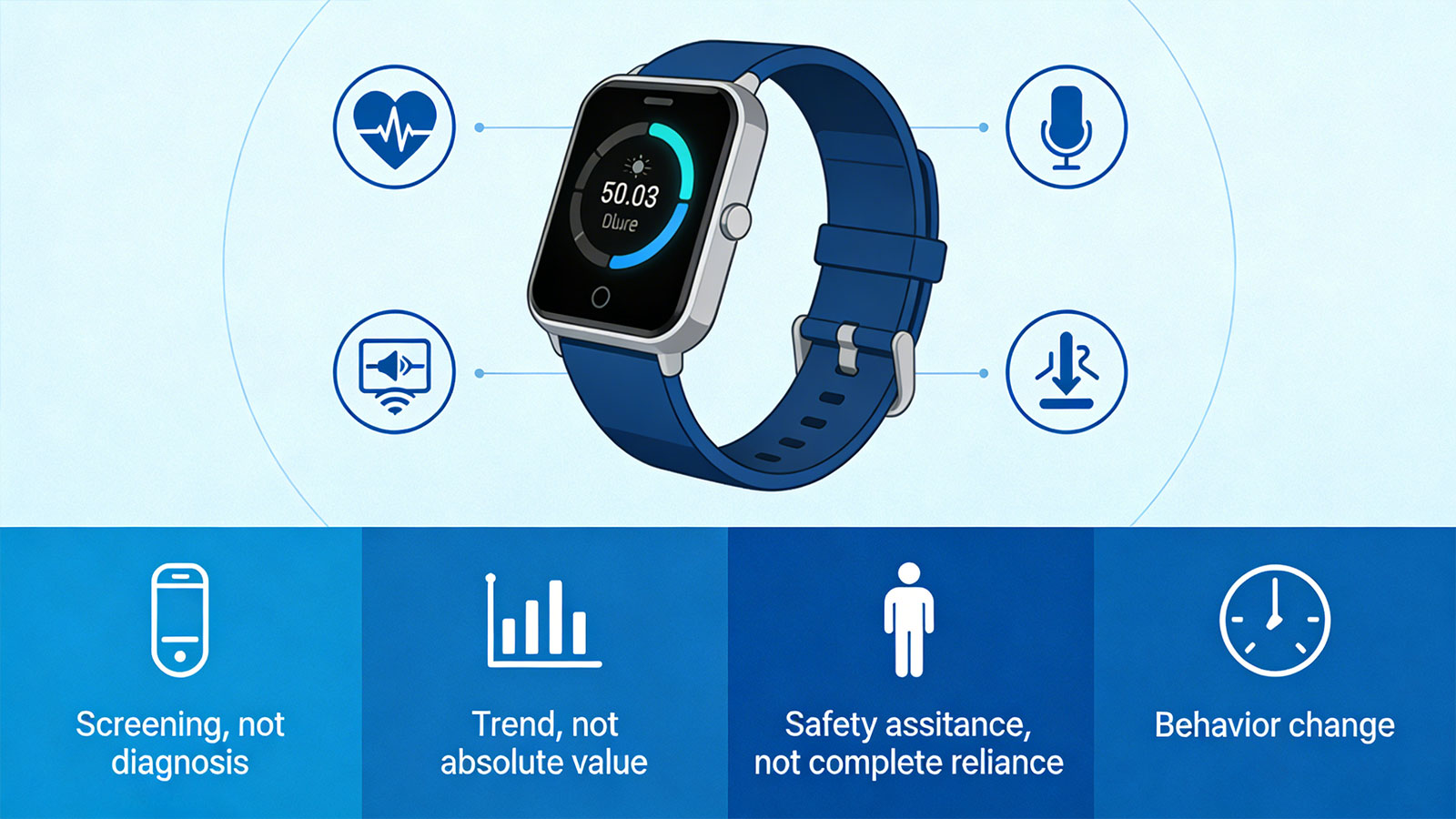
The answer is: They are not intended for diagnosis, but rather for screening, trend monitoring, and safety assistance.
4.1 Screening, Not Diagnosis
When a smartwatch alerts you to an "abnormal heart rate," it is not telling you, "You have atrial fibrillation"; rather, it is saying, "You may need to see a doctor to get an ECG." It serves as a screening tool, not a diagnostic tool.
A screening tool may yield false positives (false alarms), but it must not produce too many false negatives (missed cases). Consumer-grade devices typically possess higher sensitivity (the ability to detect abnormalities) than specificity (the ability to accurately identify normal conditions)—a characteristic that aligns perfectly with the requirements of a screening tool.
4.2 Trends, Not Absolute Values
Heart rate rising from 60 to 80: May be insignificant.
Your resting heart rate gradually rising from 60 to 80 over two weeks: Worth monitoring.
Body temperature of 36.5°C vs. 37.2°C: A single measurement is meaningless.
Body temperature consistently 0.8°C higher than usual for three consecutive days: Could be an early sign of infection.
The greatest advantage of consumer-grade devices lies in continuous monitoring—capturing changes in an individual's baseline—rather than providing absolute values that precisely match the accuracy of medical-grade equipment.
4.3 Safety Assistance, Not Total Reliance
Fall Detection: Serves as a supplementary safety net for elderly individuals living alone, but cannot replace regular personal visits.
SOS Button: Manual activation is more reliable than automatic detection; combining both methods yields the best results.
Electronic Fences: An effective tool for preventing individuals with cognitive impairments from wandering off, though manual verification remains necessary.
4.4 Behavioral Change
Numerous studies indicate that wearing a health tracker can, in itself, prompt users to increase their physical activity and improve their sleep habits. The health benefits resulting from this behavioral change may be even more valuable than the measurement accuracy itself.
Ⅴ. Huaten Global's Practices and Stance
As a leading provider of one-stop solutions for 4G smartwatch safety and health monitoring, we adhere to the following principles in the field of health monitoring:
5.1 Transparent Disclosure
All pages displaying health data are explicitly labeled with the disclaimer: "For reference purposes only; not intended as a basis for medical diagnosis." The User Agreement contains clear liability disclaimers, ensuring that customers fully understand the intended use and limitations of the data.
5.2 Hardware Selection
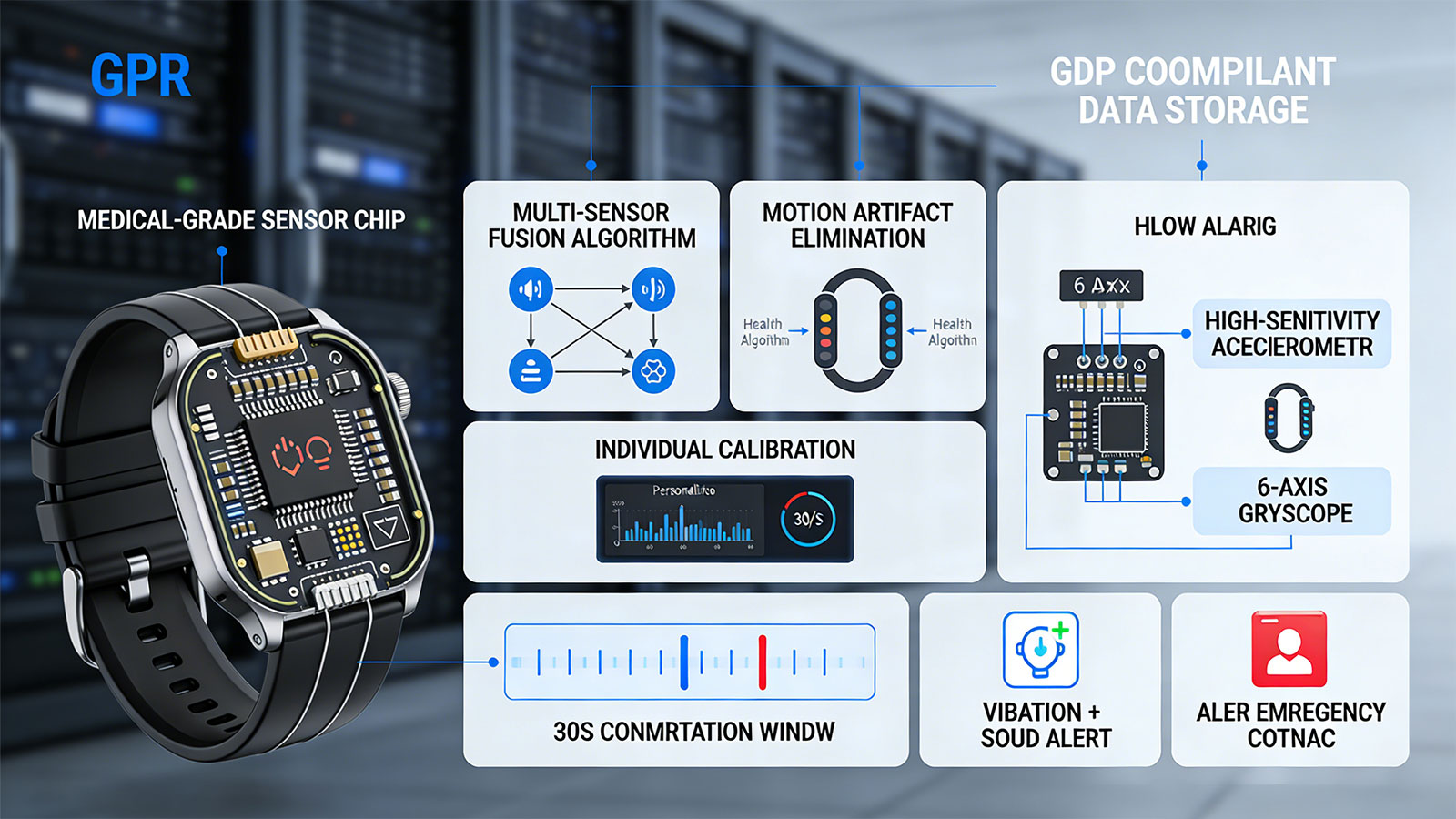
The devices utilize medical-grade sensor chips (e.g., for heart rate and blood oxygen monitoring) but do not claim to provide medical diagnostic capabilities. The inherent quality of the sensors serves as the fundamental basis for the reliability of the data.
5.3 Algorithm Optimization
l Fall Detection: Continuously optimizing multi-sensor fusion algorithms, achieving a sensitivity of over 90% under laboratory conditions.
l Health Algorithms: Improving the elimination of motion artifacts to enhance the signal-to-noise ratio.
l Personalized Calibration: Enabling users to perform individual calibration based on medical-grade devices, thereby improving data accuracy.
5.4 Engineering Design of Fall Alarms
| No. | Features | Design Features | User Benefits |
| 1 | Impact Detection | High-sensitivity Accelerometer | Detects various types of falls |
| 2 | Pose Recognition | 3/6-axis Gyroscope | Distinguishes falls from daily activities |
| 3 | Stillness Detection | 30-second Confirmation Window | Minimizes false alarms |
| 4 | Cancellation Mechanism | Vibration + Audio Alerts | Users can cancel false triggers |
| 5 | Update Notifications | Notifies Emergency Contacts if No Response | Ensures a response is received |
5.5 Data Security
We strictly adhere to privacy regulations such as the GDPR and support localized data storage. Enterprise clients may sign Data Processing Agreements to clearly define data ownership and usage boundaries.
Ⅵ. Recommendations for Enterprises and End Users
6.1 If You Are an End User
6.1.1 Understand the Purpose
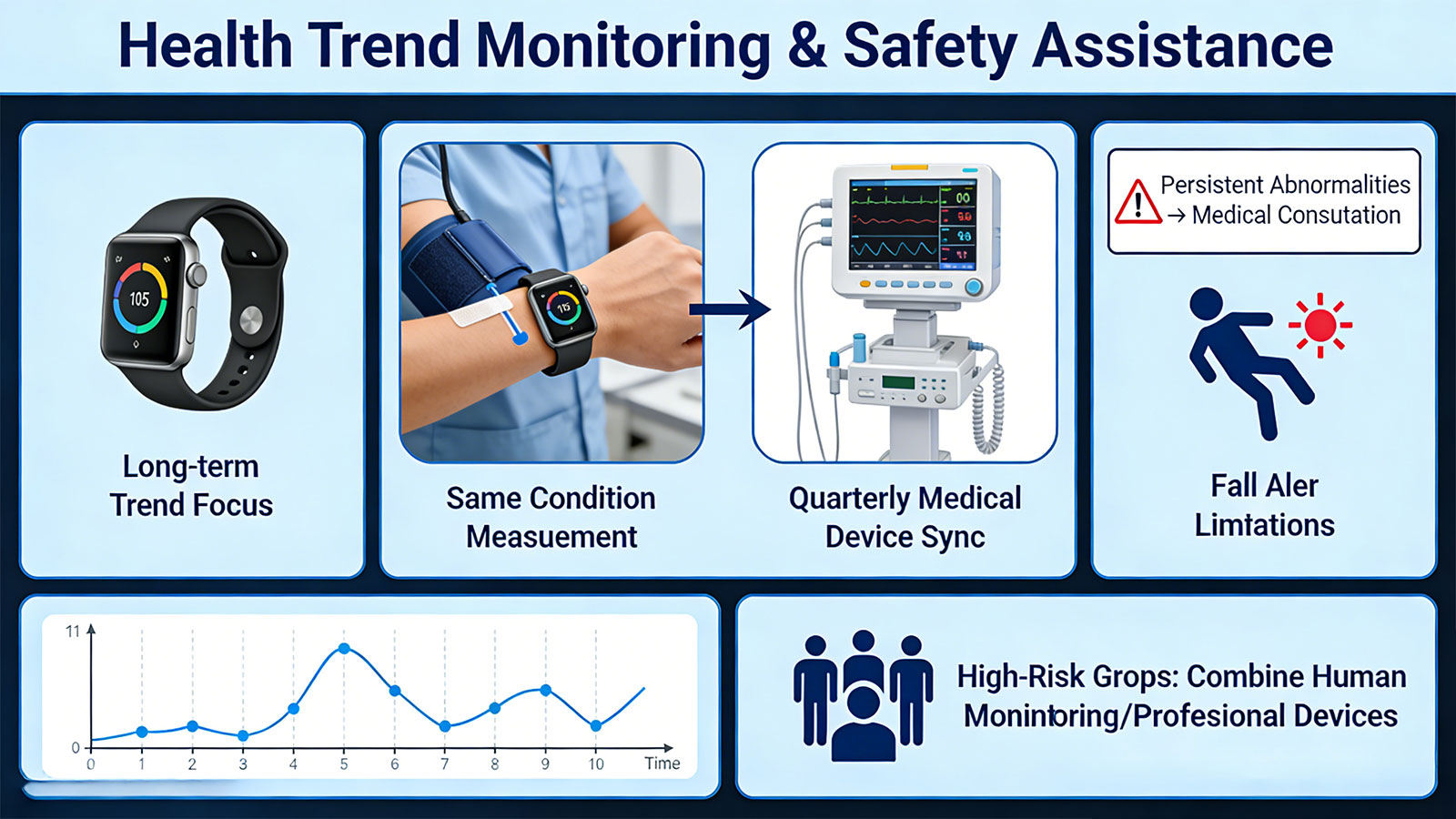
Use smartwatch data for monitoring personal health trends and providing safety assistance, rather than as a basis for diagnosing medical conditions.
6.1.2 Focus on Changes
Prioritize long-term trends over isolated readings (e.g., "deep sleep duration this week was one hour less than last week," or "body temperature is 0.5°C higher than usual").
6.1.3 Maintain Consistent Conditions
Whenever possible, take measurements under identical conditions (e.g., first thing in the morning on an empty stomach, while sitting still, with your arm held at heart level).
6.1.4 Perform Regular Comparisons
On a quarterly basis, take simultaneous measurements using medical-grade devices (such as a blood pressure monitor, pulse oximeter, or thermometer) alongside your smartwatch to determine your personal margin of error.
6.1.5 Avoid Over-interpretation
A single anomalous reading does not necessarily indicate a problem; only persistent anomalies warrant seeking medical attention.
6.1.6 Fall Detection Alerts
Be aware of the limitations of this feature; high-risk individuals should still rely on a combination of human supervision or specialized medical equipment.
6.2 If You Are a B2B Client (Health Management Solution Provider)
6.2.1 Clear Disclosure
Explicitly state within your solution documentation that "data is provided for reference purposes only and does not constitute a basis for medical diagnosis," and that "fall detection alerts serve as an auxiliary function."
6.2.2 Focus on Trends
Leverage the strengths of consumer-grade devices—specifically, their utility in analyzing population-level trends and facilitating behavioral interventions.
6.2.3 Prudent Device Selection
Given the significant variations in accuracy across different brands, prioritize products that have undergone independent validation.
6.2.4 Legal Compliance
If your solution involves clinical decision-making, you must utilize certified medical-grade devices and execute a formal Data Processing Agreement.
6.2.4 Safety Redundancy
For high-risk functions such as fall detection, it is recommended to incorporate supplementary measures, such as manual verification or periodic physical checks.
Ⅶ. Conclusion
The boundary between consumer-grade convenience and medical-grade precision is, in essence, a boundary of application.
| Factors | Consumer-Grade Devices | Medical-Grade Equipment |
| Purpose | Health Trends, Safety Assistance, Lifestyle | Disease Diagnosis, Treatment Decision-Making, Clinical Monitoring |
| Accuracy Requirements | ±5–10% Acceptable | Within ±2% Accuracy (Strictly Calibrated) |
| Verification Standards | Internal/Commissioned Research | Regulatory Scrutiny |
| Data Usage | Internal/Commissioned Research | Regulatory Scrutiny |
| Privacy Protection | Consumer Privacy Policy | HIPAA / Medical Data Compliance |
| Fall Detection Alarm | Assistive Functionality; 100% Accuracy Not Guaranteed | Requires Clinical Validation; Includes Defined SLA |
If you wish to track your health trends, motivate yourself to exercise more, identify potential issues, or provide an added layer of safety for the elderly, a 4G smartwatch is an excellent choice.
However, if you need to adjust medication based on data, diagnose illnesses, make clinical decisions, or rely on automated alerts to safeguard your life, you must use certified medical-grade devices.
These two categories are not substitutes for one another; rather, they are complementary. By understanding this distinction, you can make better use of the device in your hands—avoiding both undue anxiety and complacency.
If you have any questions regarding the health monitoring features or enterprise-grade security solutions of our 4G smartwatches, please feel free to contact our solutions team.
Search
Previous
IP Protection Ratings is Not Permanent: Is Your GPS Tracking Device Truly Waterproof and Dustproof?
Next
Battery Life Decoding: Seven Key Factors Affecting Your GPS Tracker Battery Duration
Latest News
IP Protection Ratings is Not Permanent: Is Your GPS Tracking Device Truly Waterproof and Dustproof?
Is that Smartwatch Health Monitoring Medical Grade? - Focus on Trends, Not Medical Grade Disease Diagnosis Criteria
Battery Life Decoding: Seven Key Factors Affecting Your GPS Tracker Battery Duration
Is GPS Positioning Truly Real-Time? — The Truth About "Real-Time" GPS Tracking
Beyond Connectivity: What Your Tracker Can and Cannot Do When Cellular Networks Disappear?